

Have you ever wondered what happens when you press the start button on your dishwasher? One key part working behind the scenes is the dishwasher soap dispenser.
It might seem simple, but this little compartment plays a big role in making your dishes spotless. Understanding how your dishwasher soap dispenser works can help you get better cleaning results and avoid common problems. Keep reading, and you’ll discover the secrets that make your dishwasher truly shine every time.
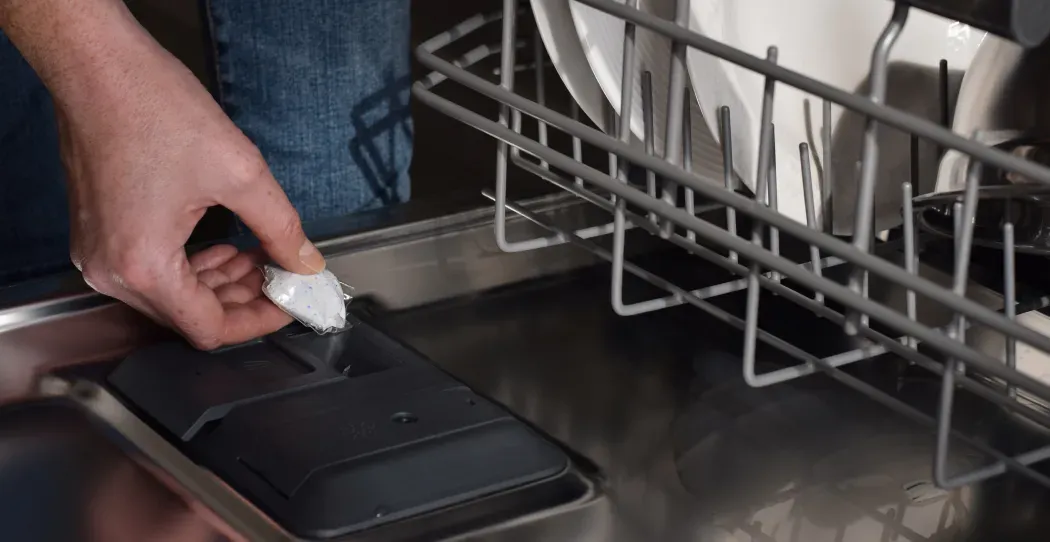
Credit: www.woodcocks.us
Dishwasher Soap Dispenser Basics
Understanding the basics of your dishwasher’s soap dispenser can change how you approach dishwashing. This small but crucial component controls when and how detergent is released during a cycle. Knowing how it works can help you avoid common issues like detergent not dissolving properly or dishes coming out dirty.
Purpose Of The Dispenser
The soap dispenser’s main job is to hold detergent securely until the right moment in the wash cycle. It releases soap in a timed manner so your dishes get cleaned efficiently.
Without this control, detergent might release too early or too late, affecting cleaning results. Have you ever noticed your detergent sitting wet and unused at the bottom of your dishwasher? That’s often a sign the dispenser isn’t working correctly.
Common Dispenser Types
Dishwasher soap dispensers come in a few common styles, each designed to fit specific dishwasher models and detergent types.
- Spring-Loaded Door: Opens automatically during the wash cycle to release detergent.
- Sliding Dispenser: Uses a manual slider to open, often found in older models.
- Latch Mechanism: Holds detergent with a latch that releases when the dishwasher reaches a certain temperature.
Choosing the right detergent for your dispenser type matters. For instance, powder detergents often work best with spring-loaded dispensers, while pods can be tricky if the latch doesn’t open fully.
Key Components Inside
The dishwasher soap dispenser holds and releases detergent at the right time. It contains several parts working together. Each part plays a key role in making sure soap is used effectively during the wash cycle.
Understanding these components helps explain how the dispenser works. It is not just a simple container but a well-designed system.
Dispenser Door Mechanism
The dispenser door keeps detergent sealed until needed. It opens only during the right moment in the cycle. This door prevents soap from spilling out too early. It also protects detergent from moisture before use.
Spring And Latch System
A spring and latch hold the door tightly closed. The latch locks the door in place. The spring provides the force to snap the door open. Together, they control the timing of detergent release.
Release Trigger
The release trigger activates the door mechanism. It responds to signals from the dishwasher’s control system. When triggered, it releases the latch and opens the door. This lets detergent flow into the dishwasher at the right time.
Timing And Operation
The timing and operation of a dishwasher soap dispenser are crucial for a thorough cleaning process. The dispenser must release soap at the exact time during the washing cycle. This precision ensures that detergent mixes well with water, breaking down food and grease efficiently.
The soap dispenser works alongside the dishwasher’s cycle phases and water flow. It must sync perfectly with these elements to deliver the best results. Understanding how these parts work together helps explain why your dishes come out clean and spotless.
Cycle Phases And Soap Release
Dishwasher cycles include phases such as pre-wash, main wash, rinse, and dry. The soap dispenser stays closed during the pre-wash to avoid early soap release. It opens during the main wash phase. This timing allows detergent to activate when water temperature and pressure are optimal.
Most dispensers use a spring-loaded door that releases when triggered by the dishwasher’s control system. This mechanism ensures soap is released only once per cycle. It prevents soap from spilling early or too late, which can cause poor cleaning performance.
How Water Activates The Dispenser
The dispenser often relies on water pressure or temperature to activate. Water jets hit the dispenser door, causing it to pop open. Some models use a small electric motor or solenoid to release the door at the right time.
Water entering the dishwasher heats up and builds pressure. This pressure triggers the dispenser to open and release soap. After the soap is dispensed, water continues to flow, mixing with the detergent to clean dishes effectively.

Credit: www.searshomeservices.com
Soap Types And Compatibility
Choosing the right soap type for your dishwasher can make a big difference in cleaning results and dispenser performance. Each soap form—powder, gel, or pods—has unique features that affect how well your dishwasher soap dispenser works. Understanding these differences helps you avoid common issues like clogs or incomplete soap release.
Powder Vs. Gel Vs. Pods
Powder soap is the most traditional option. It dissolves quickly and allows you to adjust the amount you use. However, powders can sometimes clump if exposed to moisture, which may block the dispenser.
Gel soaps offer a middle ground. They dissolve smoothly and often produce fewer residues on dishes. But gel can occasionally stick inside the dispenser, especially if it’s not rinsed properly.
Pods or tablets come pre-measured for convenience, reducing guesswork. They often include multiple cleaning agents and rinse aids. On the downside, pods require a dispenser that can open fully at the right time to release the soap effectively.
Impact On Dispenser Performance
Your dishwasher’s soap dispenser is designed to work best with certain soap types. Powders and gels need to dissolve fully during the wash cycle, so water temperature and spray patterns matter a lot.
Pods depend on the dispenser door opening at the correct moment. If the timing is off, the pod might not release the soap properly, leaving dishes dirty. Have you ever found undissolved soap sitting in the dispenser after a cycle? That’s usually a sign of compatibility or timing issues.
Using the wrong soap type or poor quality detergents can cause buildup inside the dispenser, leading to jams or leaks. To avoid this, check your dishwasher manual for recommended soap types and observe how your machine handles each type during a cycle.
Common Issues And Fixes
Understanding how a dishwasher soap dispenser works can help troubleshoot common issues. These dispensers are vital for ensuring dishes come out sparkling clean. But sometimes, they encounter problems that hinder their performance. Here’s a guide on typical issues and their fixes.
Dispenser Not Opening
If the dispenser doesn’t open, it may be due to a faulty latch. Check for any obstructions blocking the dispenser door. Also, inspect the spring mechanism for any damage or wear. Ensuring the dispenser is clean and free of debris can help it function properly.
Soap Residue Build-up
Soap residue can accumulate and block the dispenser. Regular cleaning prevents residue from hardening and clogging the mechanism. Use a damp cloth to wipe away any soap buildup. Occasionally, you may need to use a toothbrush to scrub stubborn areas.
Mechanical Failures
Mechanical issues can disrupt the dispenser’s operation. Inspect moving parts for signs of wear. Replace broken parts promptly to maintain efficiency. You may need professional help if the problem persists after basic checks.

Credit: www.facebook.com
Maintenance Tips
Keeping your dishwasher soap dispenser in good shape not only improves cleaning results but also extends the life of your appliance. Regular maintenance can prevent common issues like soap clogs and dispenser malfunctions. Let’s dive into some practical tips that make upkeep simple and effective.
Cleaning The Dispenser
Soap residue can build up inside the dispenser over time, blocking it from opening properly. To clean it, remove any leftover detergent and wipe the compartment with a damp cloth.
For tougher buildup, use a soft brush dipped in warm, soapy water to scrub the dispenser gently. Avoid harsh chemicals as they can damage the plastic parts.
Preventing Clogs
Clogs often happen when detergent gets damp before the cycle starts or if you use too much soap. Make sure to load the detergent only when the dispenser is dry.
Consider switching to dishwasher pods if powder or gel soaps cause frequent blockages. Pods dissolve more evenly, reducing residue buildup.
Ensuring Proper Operation
Check the dispenser door regularly to ensure it opens and closes smoothly without sticking. If it feels stiff, a tiny drop of food-safe lubricant on the hinge can help.
Also, inspect the spring mechanism and clean any debris around it. A smoothly working dispenser means your dishes get the right amount of soap every time.
Frequently Asked Questions
How Does A Dishwasher Soap Dispenser Release Detergent?
A dishwasher soap dispenser releases detergent by opening its lid at a specific cycle. A spring or electronic latch triggers the lid. This allows detergent to flow into the dishwasher. The timing ensures optimal cleaning during the wash phase.
Why Is The Soap Dispenser Important In Dishwashers?
The soap dispenser controls detergent release, ensuring proper cleaning. It prevents detergent waste and residue on dishes. Timely release maximizes detergent efficiency. This improves wash results and protects dishwasher components from damage.
What Types Of Detergents Work Best In Dispensers?
Powder, liquid, and tablet detergents work well in most dispensers. Use detergents designed for dishwashers only. Avoid regular dish soap to prevent excessive suds. Choose detergents compatible with your dishwasher model for best results.
How Can I Fix A Dishwasher Soap Dispenser That Won’t Open?
Check if the dispenser is clogged or broken. Clean any detergent buildup around the latch. Inspect the spring or electronic release mechanism. Replace faulty parts if needed. Regular maintenance helps prevent dispenser issues.
Conclusion
The dishwasher soap dispenser plays a key role in cleaning dishes well. It holds the detergent safely until the right time. Then, it opens to release soap inside the dishwasher. This process helps remove food and grease effectively. Knowing how it works can help keep your dishwasher running smoothly.
Keep the dispenser clean and free from clogs. This ensures soap releases properly every wash. A working dispenser means cleaner dishes and less hassle. Simple care makes a big difference in dishwasher performance. Understanding this small part helps you maintain your appliance better.