

Have you ever wondered what happens inside a soap dispenser when you press that pump? It’s a simple action you do every day, but the clever mechanism behind it is surprisingly interesting.
Understanding how a soap dispenser works can help you choose the right one for your home or office and even fix common issues yourself. Keep reading, and you’ll discover the smart design that makes your handwashing routine smooth and easy.
Types Of Soap Dispensers
Soap dispensers come in different types designed for various needs. Each type offers unique features and ways to deliver soap. Understanding these types helps choose the right dispenser for your space.
Manual Dispensers
Manual dispensers need physical pressure to work. You press a button or pump to release soap. They are simple, reliable, and affordable. These dispensers work well in homes and places with low traffic. Cleaning and refilling are easy tasks.
Automatic Dispensers
Automatic dispensers use sensors to detect hands. They release soap without touch, promoting hygiene. These dispensers reduce germ spread and soap waste. Ideal for public places and offices. They require batteries or power to function.
Foam Vs. Liquid Dispensers
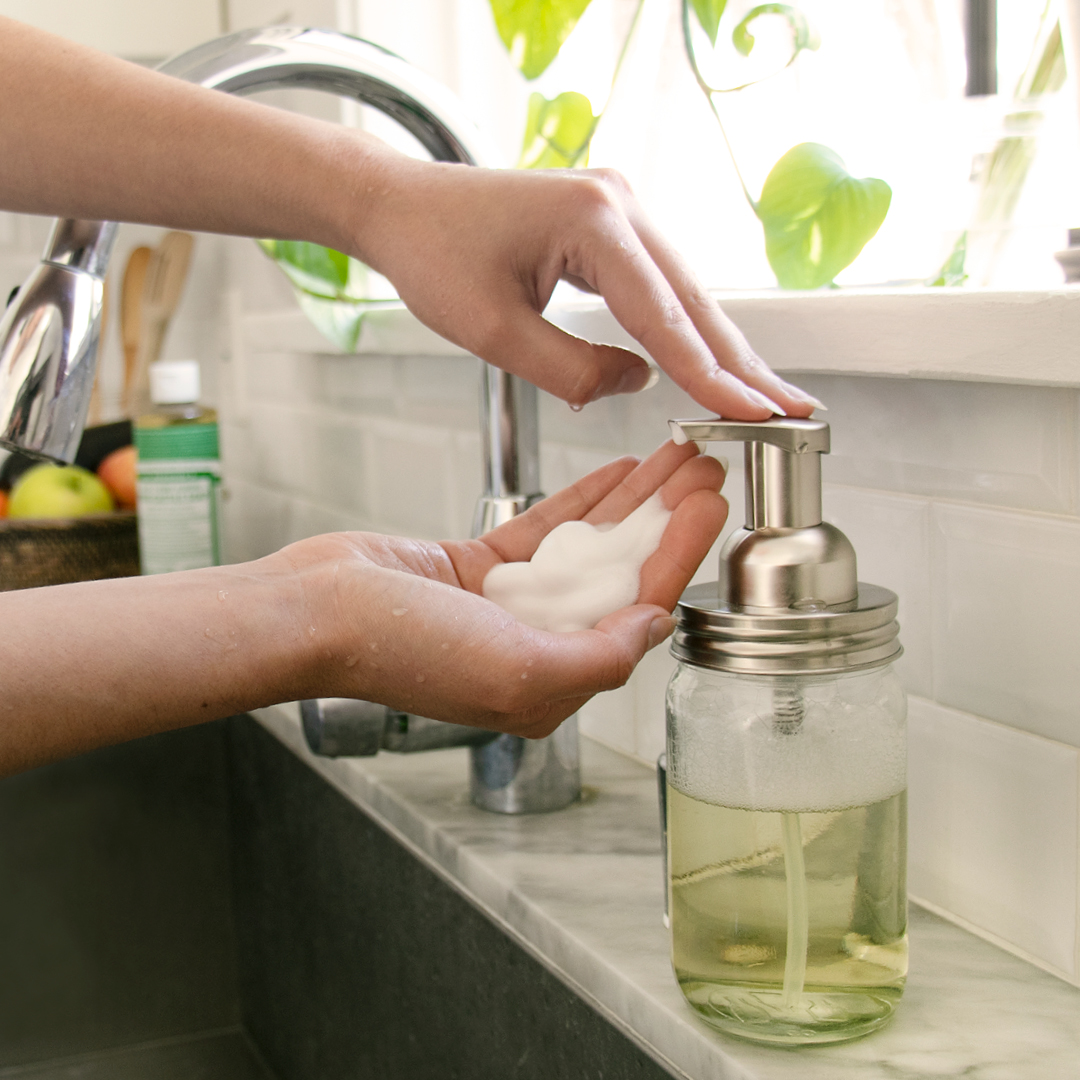
Foam dispensers mix air with soap to create foam. Foam spreads easily and rinses quickly. Liquid dispensers release soap in a thicker form. Liquid soap is often more moisturizing. Both types suit different user preferences and cleaning needs.
Credit: www.lisabronner.com
Key Components Inside
Understanding the key components inside a soap dispenser can change how you view this everyday device. Each part plays a crucial role in delivering soap smoothly and efficiently. Let’s break down these components so you know exactly what happens every time you press or wave your hand near the dispenser.
Pump Mechanism
The pump mechanism is the heart of most soap dispensers. It works by creating pressure that pushes soap out through the nozzle. When you press the pump, it compresses a spring and moves a piston, which draws soap up from the reservoir.
Some pumps use a simple manual push, while others rely on a motor for automatic dispensing. Have you ever noticed how some pumps get stuck or don’t deliver soap evenly? That often means the pump mechanism needs cleaning or replacing.
Reservoir Design
The reservoir stores the soap until it’s ready to be dispensed. Its size and shape affect how much soap it holds and how often you need to refill it. A well-designed reservoir minimizes air pockets to prevent clogging and ensures consistent flow.
Clear or translucent reservoirs help you see the soap level easily, so you won’t run out unexpectedly. Think about how frustrating it is when the soap runs out right when you need it most—good reservoir design can avoid that.
Sensors And Electronics
Automatic soap dispensers rely on sensors and electronics to detect your hand. Infrared sensors are most common; they sense when your hand is close and trigger the pump to release soap. This touchless system helps reduce germs and keeps things hygienic.
Some models include adjustable sensitivity and timing controls to customize how much soap is dispensed. Have you ever wondered why some dispensers squirt too much or too little? It’s often down to sensor settings or battery power.
How Manual Dispensers Operate
Manual soap dispensers are simple yet clever devices that rely on basic mechanical actions to deliver soap. Understanding how they work can help you appreciate their design and even troubleshoot common issues. Let’s break down the process step-by-step.
Pressing The Pump
When you press down on the pump, you apply force that starts the dispensing process. This action compresses a small spring inside the pump mechanism. The pressure created pushes the soap upward through the dispenser’s tube.
Creating Suction
As the pump returns to its original position, the spring expands back, creating a vacuum inside the chamber. This suction pulls more soap from the reservoir into the pump chamber. Without this suction, the soap wouldn’t be ready for the next press.
Dispensing Soap
The soap moves through a narrow opening and out of the nozzle when the pump is pressed. This design controls the amount of soap released, preventing waste. Have you noticed how some dispensers release just the right amount every time? That’s the result of this precise mechanism.

Credit: kuishi.com
Working Of Automatic Dispensers
Automatic soap dispensers have become a staple in homes and public places, offering a touch-free way to keep hands clean. Their operation might seem like magic, but it’s actually a clever combination of sensors and mechanical parts working seamlessly. Understanding how these devices work can help you appreciate their convenience and troubleshoot any issues you might face.
Infrared Sensors
At the heart of most automatic dispensers lies an infrared sensor. This sensor emits an invisible light beam that detects your hand when it comes close to the nozzle. The sensor is finely tuned to recognize objects within a certain range, usually a few centimeters.
Once your hand interrupts the beam, the sensor sends a signal to the dispenser’s control unit. This simple action eliminates the need for buttons or pumps, making the dispenser hygienic and easy to use.
Activating The Pump
After the sensor detects your hand, it triggers a small electric pump inside the dispenser. This pump draws soap from the reservoir and pushes it out through the nozzle. The amount of soap released is carefully controlled, preventing waste and mess.
In some models, a motorized piston or diaphragm creates the pressure needed to dispense the soap. This precise mechanism ensures you get just the right amount every time, which is especially useful in busy public restrooms.
Power Sources
Automatic soap dispensers need power to run the sensors and pump, and this usually comes from batteries or a direct electrical connection. Battery-powered models offer flexibility in placement since they don’t require nearby outlets. However, they need regular battery changes to keep working smoothly.
Plug-in models provide continuous power but may limit where you can install the dispenser. Have you noticed how some dispensers stop working suddenly? Often, it’s just a sign that the batteries need replacing or the power source is interrupted.
Common Issues And Fixes
Soap dispensers are essential for hygiene, offering convenience in homes and public places. Despite their usefulness, they can sometimes face problems. Understanding common issues and their fixes helps keep dispensers working smoothly. Addressing these problems ensures a consistent flow of soap.
Clogged Nozzles
Clogged nozzles are a frequent issue with soap dispensers. Soap residue can block the nozzle, causing dispensing problems. Regular cleaning with warm water prevents clogs. Use a small brush to clean the nozzle thoroughly. Check the nozzle for blockage if the dispenser isn’t working properly.
Sensor Malfunctions
Sensor malfunctions in automatic dispensers can be frustrating. Dust or dirt on the sensor might cause these issues. Clean the sensor with a soft cloth to ensure proper function. Batteries might need replacement if the sensor isn’t responding. Ensure batteries are correctly installed and have charge.
Refill And Maintenance Tips
Proper refilling and maintenance extend the life of soap dispensers. Use the right type of soap recommended by the manufacturer. Refill the dispenser before it runs completely dry to avoid air blockage. Regularly check for leaks or cracks in the dispenser. Ensure all parts are securely fitted to prevent spills.

Credit: www.roetell.com
Innovations In Soap Dispensers
Soap dispensers have evolved far beyond simple pumps. Innovations have made them more convenient, hygienic, and environmentally friendly. These new features can change how you use soap every day, making handwashing easier and more efficient.
Touchless Technology
Touchless soap dispensers use sensors to detect your hand, releasing soap without any physical contact. This reduces the spread of germs and keeps the dispenser cleaner for longer.
Many public places now use touchless models, but you can install one at home too. Have you noticed how much cleaner your kitchen or bathroom feels when you don’t have to touch a sticky pump?
Eco-friendly Designs
Soap dispensers are also getting greener. Some are made from recycled materials, while others use refillable containers to cut down on plastic waste.
These designs encourage you to buy soap in bulk, which often comes in larger, less wasteful packaging. How much plastic could you save by switching to an eco-friendly dispenser?
Smart Dispensers
Smart soap dispensers connect to your smartphone or home system. They can track soap levels and remind you when it’s time to refill.
Some even adjust the amount of soap based on how dirty your hands are. Imagine never running out of soap and always using just the right amount—could this change your daily routine?
Frequently Asked Questions
How Does A Manual Soap Dispenser Work?
A manual soap dispenser uses a pump mechanism. Pressing the pump pushes soap through a tube. It relies on air pressure and suction to dispense soap. This simple system allows controlled soap release with each press.
What Powers An Automatic Soap Dispenser?
Automatic soap dispensers use infrared sensors. These sensors detect hand movement below the spout. When triggered, a small motor pumps soap out. This touchless design promotes hygiene by reducing contact and germ spread.
Why Is Soap Dispenser Sensor Important?
The sensor activates soap flow without physical touch. It enhances cleanliness by minimizing cross-contamination. Sensors ensure soap is dispensed only when needed. This improves hygiene in public and home settings.
How Is Soap Dispensed Evenly Each Time?
Soap dispensers have calibrated pumps or motors. These control the exact amount of soap released. Consistent dosing avoids waste and mess. It provides users with an optimal soap quantity per use.
Conclusion
A soap dispenser works by pushing soap through a small tube. Pressing the pump creates pressure that moves soap out. Some use batteries to pump soap automatically. They help keep hands clean and reduce waste. Knowing how it works helps you use it better.
Simple design, easy to operate, and very useful. Soap dispensers fit well in homes and public places. Clean hands protect health every day. Understanding this tool makes hand washing easier.