

You rely on your serrated knives every day, from slicing bread to cutting through tough-skinned fruits. But when those blades start to feel dull, your cutting becomes frustrating and less precise.
You might wonder, “Can serrated knives even be sharpened? ” The good news is yes—they can, and it’s easier than you think. You’ll discover simple, effective ways to sharpen your serrated knives at home. Keep reading to bring your blades back to life and make every cut smooth and effortless again.

Credit: www.youtube.com
Choosing The Right Tools
Choosing the right tools is essential for sharpening serrated knives effectively. These blades have unique scalloped edges that standard sharpeners can’t handle well. Using improper tools not only wastes your time but can also damage your knife’s edge, leaving it dull or uneven.
Think about your last attempt to sharpen a serrated knife—did the edge feel rough or uneven afterward? That’s often a sign you used the wrong tool. Selecting the proper sharpening device tailored to serrated blades ensures you restore the knife’s cutting power without risking damage.
Types Of Sharpeners For Serrated Blades
Serrated knives require specialized sharpeners designed to fit their scalloped edges. The most common types include:
- Sharpening rods:Slim and often ceramic or diamond-coated, these rods fit into the grooves of serrations easily.
- Electric sharpeners:Some models have dedicated slots for serrated edges, but check compatibility before use.
- Manual handheld sharpeners:These often have a tapered rod or a notch specifically for serrations.
Choosing the right one depends on your comfort level and the knife’s size. You want a tool that matches the serration’s shape and size to sharpen efficiently.
Using A Ceramic Rod
Ceramic rods are a favorite for many because they are gentle yet effective. Their hardness lets them smooth and realign serrated edges without removing too much metal.
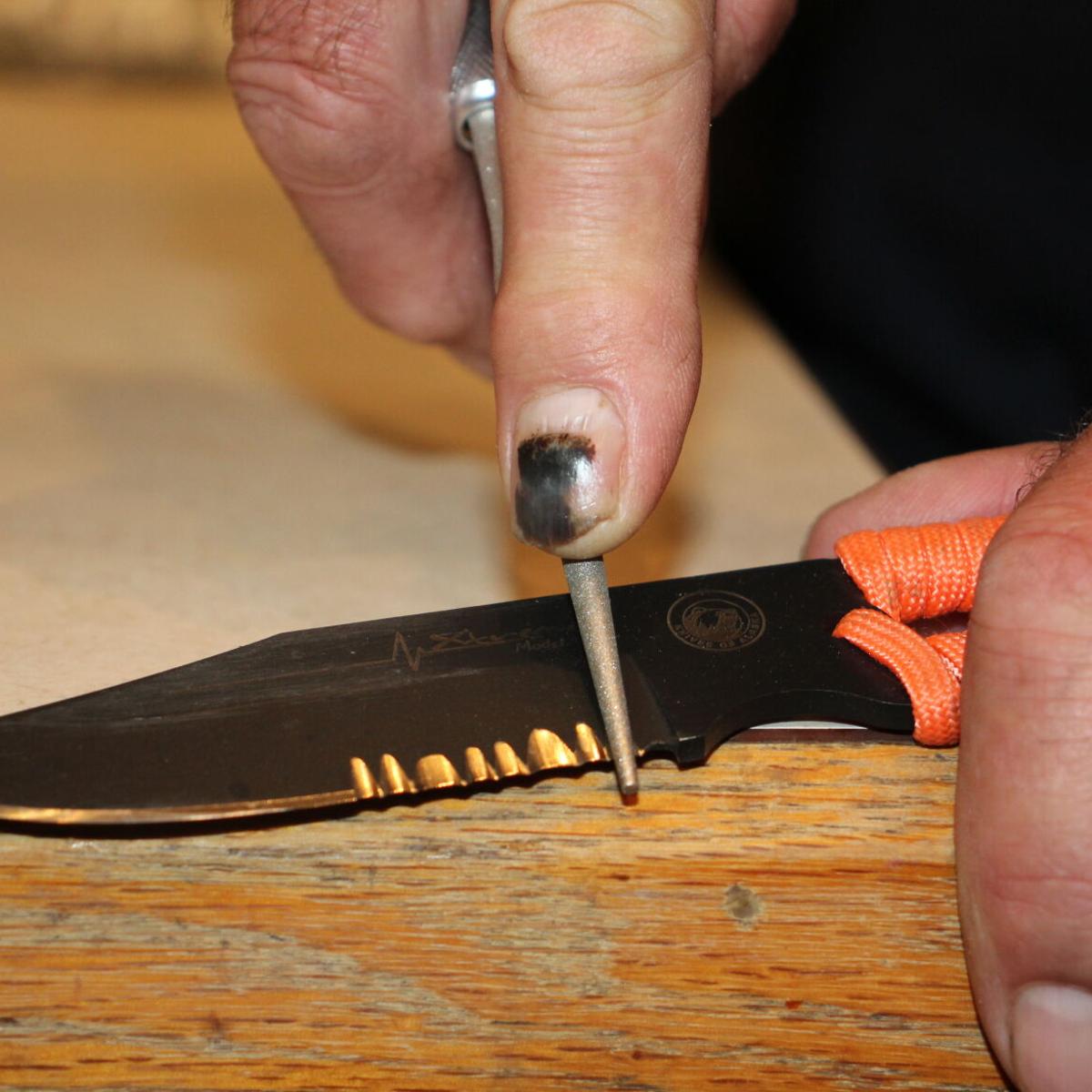
To use a ceramic rod, insert it into each serration individually and gently stroke along the curve. Avoid pressing too hard—light, consistent strokes work best.
Do you find that your serrated knife loses its sharpness quickly? Ceramic rods can help maintain the edge between full sharpenings, making them an excellent everyday tool.
Other Useful Sharpening Tools
Besides ceramic rods, some other tools can assist in sharpening serrated knives:
- Diamond-coated rods:These are more abrasive than ceramic rods and are great if your knife is very dull.
- Sharpening stones with grooves:Specialized stones have small grooves to fit serrations, offering precise sharpening.
- Professional sharpening services:Sometimes, leaving it to experts with specialized equipment is the safest bet.
Have you considered how often you should sharpen your serrated knife? Using these tools correctly can extend the life of your blade and improve your cutting experience.
Credit: www.idahopress.com
Preparing Your Knife
Preparing your serrated knife before sharpening is crucial for the best results. Taking time to get your knife ready helps you see exactly what needs attention and makes the sharpening process smoother. You’ll avoid damaging the blade and extend its life by handling it carefully from the start.
Cleaning The Blade
Before you sharpen, clean your knife thoroughly. Residue from food, oils, or rust can hide the true condition of the blade and affect sharpening. Use warm water and mild soap, then dry the knife completely with a soft cloth.
Cleaning also prevents grit from scratching the blade while you work. Have you ever tried sharpening a dirty knife and ended up with uneven edges? Keeping your blade spotless is a simple step that makes a big difference.
Inspecting The Serrations
Take a close look at each serration on your knife. You want to identify any chips, dull spots, or uneven wear. This inspection guides you on which areas need more focus during sharpening.
Use a magnifying glass or good lighting if possible. Not all serrations wear out equally, so knowing the problem spots helps you sharpen smarter, not harder. Have you noticed how some serrations stay sharper longer than others? That’s why careful inspection matters.
Sharpening Techniques
Sharpening serrated knives requires special techniques. The teeth on these blades need careful attention to keep their cutting power. Using the right approach ensures the knife stays sharp longer and performs well.
Sharpening Individual Serrations
Each serration on the blade has its own curve and edge. Use a small, tapered sharpening rod or a ceramic sharpening stick. Match the rod size to the serration size for best results. Place the rod inside each serration and gently slide it along the edge. Focus on one serration at a time for even sharpening.
Maintaining The Original Angle
Keeping the original angle of the serration is key. Most serrated knives have an angle between 13 and 20 degrees. Hold the sharpening rod to match this angle precisely. This avoids damaging the blade or changing how it cuts. A steady hand helps maintain the correct angle throughout the sharpening process.
Using Smooth, Controlled Strokes
Use smooth and controlled strokes to sharpen the blade. Rushing causes uneven edges and possible damage. Move the sharpening rod gently back and forth inside each serration. Repeat the motion several times to sharpen evenly. Consistent pressure helps create a sharp and durable edge.
Credit: www.idahopress.com
Finishing Touches
After you’ve carefully sharpened the serrations on your knife, the finishing touches make all the difference. These final steps refine the edge, ensure smooth cutting, and extend the life of your blade. Skipping them can leave your knife feeling rough or even unsafe to use.
Honing The Flat Side
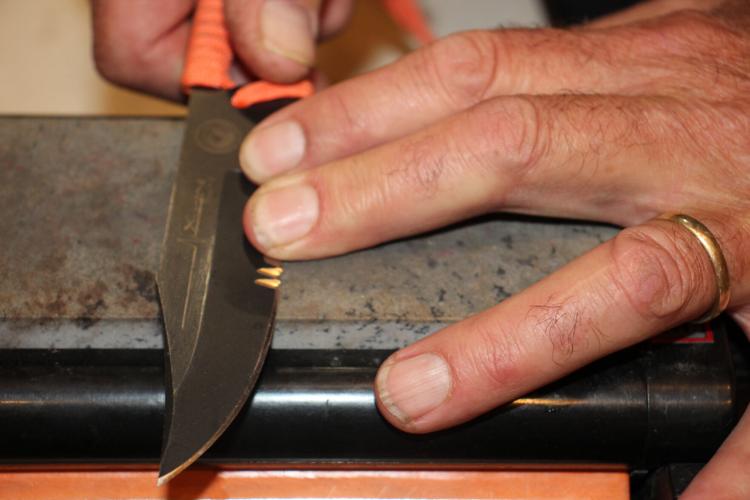
Most people focus only on sharpening the serrated edges, but the flat side of the blade also needs attention. Use a fine honing rod or a leather strop to gently polish this surface. This smooths out any minor scratches or unevenness left from sharpening and improves overall cutting performance.
Honing the flat side is quick but crucial. It helps the knife glide through food without snagging. Have you noticed your serrated knife catching on tomatoes or bread? Honing can solve that problem.
Removing Burrs
During sharpening, tiny metal burrs form along the edge. These burrs can feel rough and reduce your knife’s sharpness. Use a soft cloth or a fine-grit sharpening stone to gently remove them.
Run your finger carefully along the edge (with caution) to feel for any rough spots. Burrs can sometimes be invisible but can cause tearing instead of clean cuts. Removing them ensures your knife slices smoothly every time.
Testing Sharpness Safely
Testing your knife’s sharpness is important, but safety comes first. Avoid testing on your skin or fingers. Instead, try slicing through soft materials like a piece of paper or a tomato.
If the knife cuts cleanly with little effort, you’ve done a great job. If not, revisit your sharpening and finishing steps. How confident are you in your knife’s edge right now? Taking a moment to test it safely can prevent accidents and improve your kitchen experience.
Tips For Maintaining Sharpness
Serrated knives need gentle care to keep their edge sharp. Use a small ceramic rod to carefully sharpen each serration. Regular sharpening prevents dullness and extends the knife’s life.
Sharpening serrated knives might seem daunting, but with the right tips for maintaining sharpness, you can ensure your knives are always ready for action. Proper care not only extends their lifespan but also enhances their performance. Let’s dive into some practical ways to keep your serrated knives sharp and effective.Proper Storage
Storing your serrated knives correctly can make a world of difference. Avoid tossing them into a drawer where they can knock against other utensils. Instead, opt for a knife block or magnetic strip. Both options keep your knives secure and accessible. Have you ever considered using blade guards? They are excellent for preventing nicks and keeping your knives sharp longer.Regular Cleaning
Cleaning your knives regularly is crucial to maintaining their sharpness. Residue from food can dull the blades over time. Wash your knives with warm, soapy water after each use and dry them immediately. This prevents rust and corrosion. Don’t forget to periodically check for stubborn stains. A gentle scrub with a baking soda paste can do wonders.Avoiding Damage
Serrated knives are delicate; using them on hard surfaces can cause damage. Always use a cutting board and steer clear of glass or stone surfaces. These can chip the teeth of your knife. Are you guilty of using your knives to open packages? It’s tempting, but it can lead to unnecessary wear. Treat your serrated knives with care, and they’ll reward you with precision and efficiency. These simple, actionable tips can make a significant difference in the sharpness and longevity of your serrated knives. Implement them today and notice the improvement in your culinary endeavors!Frequently Asked Questions
How Often Should I Sharpen Serrated Knives?
Sharpen serrated knives every 6 to 12 months. Frequency depends on use and blade quality. Regular sharpening maintains cutting efficiency and prolongs knife life.
What Tools Are Best For Sharpening Serrated Knives?
Use a ceramic or diamond-coated rod for serrated knives. These rods fit the serrations and restore sharpness effectively without damaging the blade.
Can I Sharpen Serrated Knives At Home?
Yes, you can sharpen serrated knives at home. Use a proper sharpening rod and follow the blade’s serration pattern carefully for best results.
Should I Sharpen The Entire Serrated Blade?
No, only sharpen the individual serrations, not the flat side. Focus on each scalloped edge to maintain the knife’s original cutting ability.
Conclusion
Sharpening serrated knives takes care and the right tools. Focus on each tooth of the blade carefully. Use a sharpening rod designed for serrations to keep edges sharp. Regular sharpening keeps your knife cutting well and lasting longer. A sharp serrated knife makes kitchen tasks easier and safer.
Practice a little, and you will get better each time. Keep your knives sharp, and enjoy cooking more.