

Have you ever wondered if you can use regular soap in a foaming dispenser? It’s a common question that many people have when they want to switch up their hand-washing routine.
You might be curious if your favorite soap will work or if it will clog the dispenser. The answer could save you money and make your daily handwashing easier. Keep reading to find out exactly what happens when you use regular soap in a foaming dispenser—and whether it’s a smart choice for your home.
How Foaming Dispensers Work
Foaming dispensers create a rich foam from liquid soap. They use a unique design to mix soap with air. This process transforms the soap into a light, airy foam. Understanding this helps explain why not all soaps work well in these dispensers.
Mechanism Behind Foaming Action
Foaming dispensers have a special pump inside. When pressed, it pulls liquid soap and air together. These mix inside a mesh screen or chamber. The mixture forms tiny bubbles, creating foam. The foam is then pushed out through the nozzle. This design uses less soap and water per use. It also makes hand washing feel smooth and fun.
Difference Between Foaming And Regular Soap
Foaming soap is thinner and more watery than regular soap. It is made to create bubbles quickly. Regular soap is thicker and designed for direct use. Using regular soap in a foaming dispenser can cause problems. It may clog the pump or not foam properly. Foaming soap is specially formulated to work with air and dispenser mechanics. This ensures a consistent, easy-to-use foam every time.
Regular Soap Vs Foaming Soap
Regular soap and foaming soap serve the same purpose: cleaning hands. Both remove dirt and germs effectively. Yet, their textures and formulas differ greatly. These differences influence how they work in a foaming dispenser. Understanding these contrasts helps in choosing the right soap for your dispenser.
Consistency And Formulation
Regular soap is thicker and more concentrated. It often comes as a liquid or bar. Foaming soap is lighter and diluted with water and air. This gives it a bubbly texture. The formula of foaming soap includes ingredients that help create foam easily. Regular soap lacks these foaming agents. This makes regular soap denser and less bubbly.
Impact On Dispenser Performance
Foaming dispensers are designed for thin, foamy liquids. They mix soap and air to produce foam. Using regular soap can clog the nozzle. It may not mix well with air, causing poor foam output. Regular soap can also cause more residue inside the dispenser. This leads to frequent cleaning and maintenance. Using foaming soap ensures smooth dispenser work. It creates rich foam without blockages or extra effort.
Using Regular Soap In Foaming Dispensers
Using regular soap in foaming dispensers can be tempting for convenience or cost-saving reasons. These dispensers are designed to work with specially formulated foaming soap. Regular soap, which is usually thicker and more concentrated, behaves differently inside these devices. Understanding how regular soap interacts with foaming dispensers helps avoid damage and poor performance.
Foaming dispensers rely on a specific soap-to-water ratio to create the foam. Regular soap needs adjustment to work well. Without proper dilution, the dispenser may clog or pump out a heavy, non-foamy liquid. Learning the right approach ensures the dispenser functions smoothly and lasts longer.
Possible Outcomes
- Thick soap can clog the dispenser pump.
- Dispenser may release a liquid instead of foam.
- Foam quality may be weak or inconsistent.
- Frequent cleaning might be necessary to prevent buildup.
- Regular soap might cause leaks or damage seals.
Tips For Diluting Regular Soap
- Mix one part soap with three to five parts water.
- Use warm water for better blending.
- Stir gently to avoid creating bubbles before use.
- Test the mixture in the dispenser before filling fully.
- Adjust dilution if foam is too thin or too thick.
Common Mistakes To Avoid
- Using undiluted soap directly in the dispenser.
- Overfilling the dispenser beyond recommended level.
- Ignoring the dispenser’s cleaning schedule.
- Using soap with added moisturizers or exfoliants.
- Not shaking the mixture before refilling.

Credit: kuishi.com
Benefits Of Using Foaming Soap
Foaming soap offers several advantages that make it a preferred choice for many households and businesses. Its unique texture and delivery system change the way you experience handwashing. Understanding these benefits can help you decide if switching to foaming soap is right for you.
Cost Efficiency
Foaming soap tends to be more economical compared to regular liquid soap. Because it’s already mixed with air, you use less soap per pump, which means your soap bottle lasts longer. This can lead to significant savings, especially in high-traffic areas like kitchens or bathrooms.
Think about your last soap purchase—did it last as long as you expected? With foaming soap, the amount you need per wash decreases, so you refill less often. This efficiency also reduces waste, helping both your wallet and the environment.
Skin Friendliness
Foaming soap is often gentler on the skin than regular soap. The foam spreads easily and rinses off quickly, minimizing the risk of dryness or irritation. If you have sensitive skin, this can make a noticeable difference in how your hands feel after washing.
Have you noticed your hands feeling dry or tight after washing? Switching to foaming soap could help maintain your skin’s natural moisture. Many foaming soaps include moisturizing ingredients, offering a softer and more comfortable cleanse.
Maintenance Tips For Foaming Dispensers
Regular soap is not ideal for foaming dispensers because it may clog the pump. Using foaming soap keeps the dispenser working smoothly and creates the right amount of foam. Clean the dispenser regularly to avoid buildup and ensure long-lasting use.
Maintaining your foaming dispenser is crucial to ensure it works effectively and lasts longer. Regular soap can be used, but it’s essential to follow some maintenance tips to prevent issues like clogs and wear. Let’s dive into some practical insights on keeping your foaming dispenser in top shape.
Cleaning And Preventing Clogs
Foaming dispensers can clog easily, especially when using regular soap. To prevent this, consider cleaning the pump every couple of weeks. You can soak it in warm water and pump it several times to clear any residue. A quick rinse after each refill can also help. If you notice the foam quality decreasing, it might be time for a deeper cleaning. Pay attention to the nozzle and pump mechanism, as these areas often accumulate soap residue.
Choosing The Right Soap For Longevity
Not all soaps work well in foaming dispensers. Opt for soaps specifically formulated for foaming pumps. These soaps have a thinner consistency, which helps prevent clogs and ensures a smooth operation. If you prefer using regular soap, dilute it with water. A general rule is a 1:4 ratio of soap to water. This not only prevents clogging but also extends the lifespan of your dispenser. Have you tried experimenting with different soap brands? Sometimes switching brands can make a significant difference in how your dispenser performs.
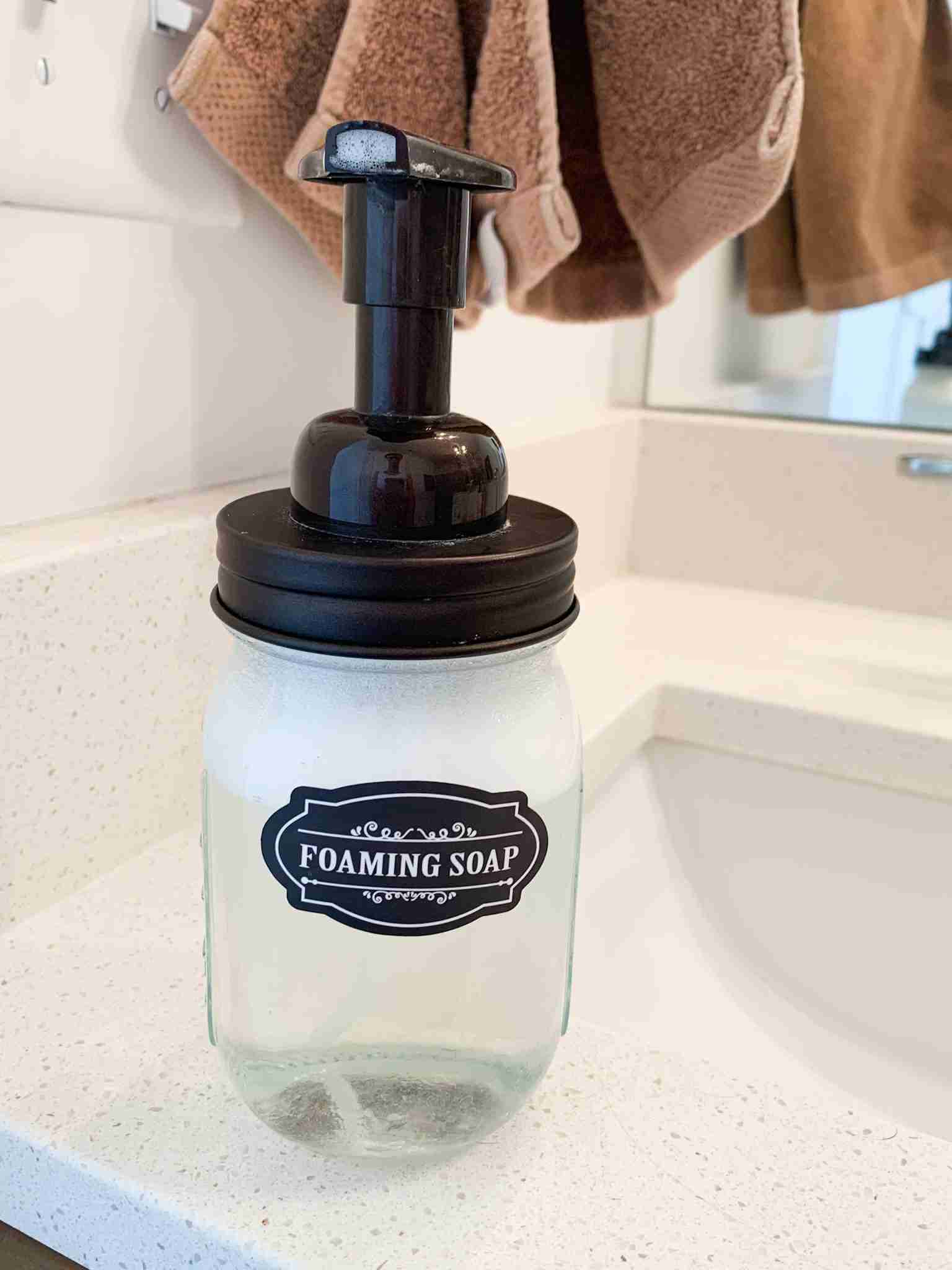
Credit: plumbranchhome.com
Frequently Asked Questions
Can You Use Regular Soap In A Foaming Dispenser?
Regular soap is not ideal for foaming dispensers. It is usually too thick and won’t create foam properly. Foaming dispensers work best with specially formulated liquid foaming soap or a diluted soap mixture.
What Happens If You Put Regular Soap In A Foaming Dispenser?
Using regular soap may clog the dispenser pump. It can cause poor foam production or no foam at all. Over time, it may damage the foaming mechanism and reduce the dispenser’s lifespan.
How To Dilute Regular Soap For A Foaming Dispenser?
Mix one part regular soap with three to four parts water. This dilution helps thin the soap for proper foaming. Always test the mixture first to ensure it works well with your dispenser.
Is Foaming Soap Better Than Regular Soap?
Foaming soap uses less product and spreads easily. It rinses off faster, saving water during handwashing. However, both soaps clean effectively if used properly.
Conclusion
Regular soap can work in a foaming dispenser but not very well. It often clogs the pump or doesn’t foam properly. Foaming soap is specially made to create bubbles easily. Using regular soap might waste soap and cause frustration. For best results, use soap made for foam dispensers.
This keeps your dispenser clean and working smoothly. Small changes make hand washing easier and more fun. Choose wisely to enjoy a better soap experience every time.