

Have you ever wondered if you can sharpen your ceramic knives at home? You might think these knives stay sharp forever or that sharpening them is too tricky.
The truth is, ceramic knives need special care to keep their edge, and sharpening them isn’t as simple as it is with steel blades. But don’t worry—by the end of this article, you’ll know exactly how to bring back the sharpness to your ceramic knives safely and effectively.
Keep reading to discover the secrets that will help you protect your investment and make your kitchen tasks easier.
Why Ceramic Knives Need Sharpening
Ceramic knives are known for their sharp edges and durability. Yet, over time, these blades lose their sharpness. Even the hardest ceramic can become dull after frequent use. Sharpening ceramic knives keeps them efficient and safe. It restores their cutting power and extends their life.
Material Properties Of Ceramic Blades
Ceramic blades are made from zirconium dioxide. This material is very hard and brittle. It resists wear better than steel. The hardness helps keep the edge sharp longer. But the brittleness makes the blade prone to chipping. The edge can crack or chip if used on hard surfaces. This damage dulls the knife and reduces its performance.
Sharpening ceramic knives requires special tools. Standard sharpeners can damage the blade. Diamond-coated sharpeners are best. They grind the hard surface gently and evenly. Proper sharpening fixes small chips and brings back the sharp edge.
Signs Your Ceramic Knife Is Dull
- Blade slips instead of cutting through food
- Difficulty slicing soft fruits or vegetables
- Edges look chipped or worn
- More pressure needed to cut
- Uneven or jagged cuts
These signs show the blade lost its sharpness. Dull knives increase the risk of accidents. They also make food preparation harder. Sharpening the blade improves control and precision. Regular checks help maintain the knife’s performance.
Credit: media.sakurajapaneseknife.com
Challenges In Sharpening Ceramic Knives
Sharpening ceramic knives is not as straightforward as it might seem. These knives bring unique challenges that can easily frustrate anyone trying to restore their edge at home. Understanding these obstacles can save you time, money, and the tool itself.
Fragility And Hardness Factors
Ceramic knives are incredibly hard, often harder than steel, which makes them stay sharp longer. But this hardness comes with a catch—they are also very brittle. If you apply too much pressure or use the wrong angle, the blade can chip or crack easily.
I once tried sharpening a ceramic knife with a heavy hand, thinking it would speed things up. Instead, I ended up with tiny chips along the edge, ruining the knife’s smooth cut. This experience taught me to be gentle and patient when handling ceramic blades.
Does your sharpening method risk damaging the delicate edge? It’s crucial to find the right balance between firm and gentle to avoid breakage.
Limitations Of Traditional Sharpening Tools
Most traditional sharpening tools, like steel rods or regular whetstones, don’t work well on ceramic knives. These tools are designed for softer metals and can’t grind down the hard ceramic material effectively.
Using the wrong sharpener might leave your ceramic knife duller or even damage it. Diamond-based sharpeners are often the only practical option because they can handle the hardness without causing chips.
Think about your current sharpening tools—are they really suitable for ceramic blades? Investing in the right equipment can make a huge difference in maintaining your knife’s performance.
Best Tools For Sharpening Ceramic Knives
Keeping your ceramic knives sharp requires the right tools, as their hardness demands special care. Using improper sharpeners can damage the blade or fail to restore its edge. Choosing the best sharpening tool ensures your knife stays effective and safe to use.
Diamond Sharpening Stones
Diamond sharpening stones are ideal for ceramic knives because diamonds are harder than ceramic materials. They gently remove small amounts of the blade to restore sharpness without causing cracks.
These stones come in various grit levels, so you can start with a coarse grit to reshape the edge, then move to finer grits for polishing. Using water or oil as a lubricant helps prevent overheating and keeps the sharpening process smooth.
Electric Sharpeners Designed For Ceramics
Not all electric sharpeners are suitable for ceramic knives, but some models are specifically designed for them. These sharpeners use diamond-coated wheels or belts that handle ceramic blades carefully.
If you prefer convenience, these devices save time and effort. However, check the manufacturer’s instructions to avoid applying too much pressure, which might chip your knife.
Professional Sharpening Services
If you’re unsure about sharpening ceramic knives yourself, professional services are a reliable option. Experts use specialized equipment and techniques to restore your knives precisely.
Sending your knives to professionals can extend their lifespan and maintain their performance. Would you trust a service to keep your favorite kitchen tool in top shape?
Step-by-step Sharpening Process
Sharpening ceramic knives requires a careful approach because these blades are harder and more brittle than steel knives. The process demands patience and the right tools to restore that razor-sharp edge without causing damage. Let’s walk through the step-by-step sharpening process so you can handle your ceramic knife like a pro.
Preparing The Knife And Tools
Start by gathering the right sharpening tools. A diamond sharpening stone or a ceramic sharpening rod works best since regular steel sharpeners won’t cut it.
Make sure your knife is clean and dry before you begin. Any residue on the blade can affect the sharpening quality.
Set up your workspace on a stable surface with good lighting. This helps you maintain control and see the blade edge clearly.
Sharpening Techniques To Follow
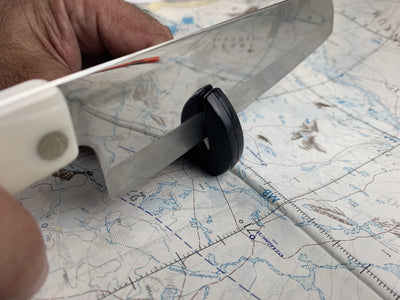
Hold the knife at a consistent angle, usually around 15 degrees, against the sharpening stone or rod. Maintaining this angle is key to creating a sharp edge.
Move the blade gently across the sharpener, applying light pressure. Ceramic knives need less force than steel ones, so don’t press hard.
Sharpen each side evenly by alternating strokes to prevent uneven edges or chipping. Typically, 5 to 10 strokes per side work well.
Safety Tips During Sharpening
Keep your fingers clear of the blade path at all times. Slips happen easily if you’re not careful.
Wear cut-resistant gloves if you’re new to sharpening ceramic knives. It adds an extra layer of protection.
Work slowly and don’t rush the process. A sharp knife is safer than a dull one, but only if you sharpen it carefully.
Maintaining Sharpness For Longer
Keeping your ceramic knives sharp for a long time takes more than just occasional sharpening. It’s about the daily habits you form around their care and use. Small changes in how you store, use, and inspect your knives can make a huge difference in maintaining their cutting edge.
Proper Storage Methods
Where and how you store your ceramic knives affects their sharpness more than you might think. Avoid tossing them loosely into a drawer where they can bump against other utensils. Instead, try these options:
- Use a dedicated knife block or magnetic strip to keep blades separated.
- Wrap the blade in a protective sheath if you store it in a drawer.
- Keep knives away from hard surfaces that can chip the blade, like ceramic or stone countertops.
Have you noticed your knife dulls faster after a rough storage? Changing this habit can extend its sharpness noticeably.
Correct Usage Practices
How you handle your ceramic knives during cutting tasks plays a major role in preserving their edge. Ceramic blades are hard but brittle, so avoid cutting hard items like bones or frozen foods. Instead, use them for slicing fruits, vegetables, and boneless meats.
Try to use a soft cutting board made of wood or plastic rather than glass or metal. This reduces stress on the blade and keeps it sharper longer. Ask yourself: Are you pushing your ceramic knife beyond its limits? If yes, adjusting your cutting choices can save you time and money on resharpening.
Regular Care And Inspection
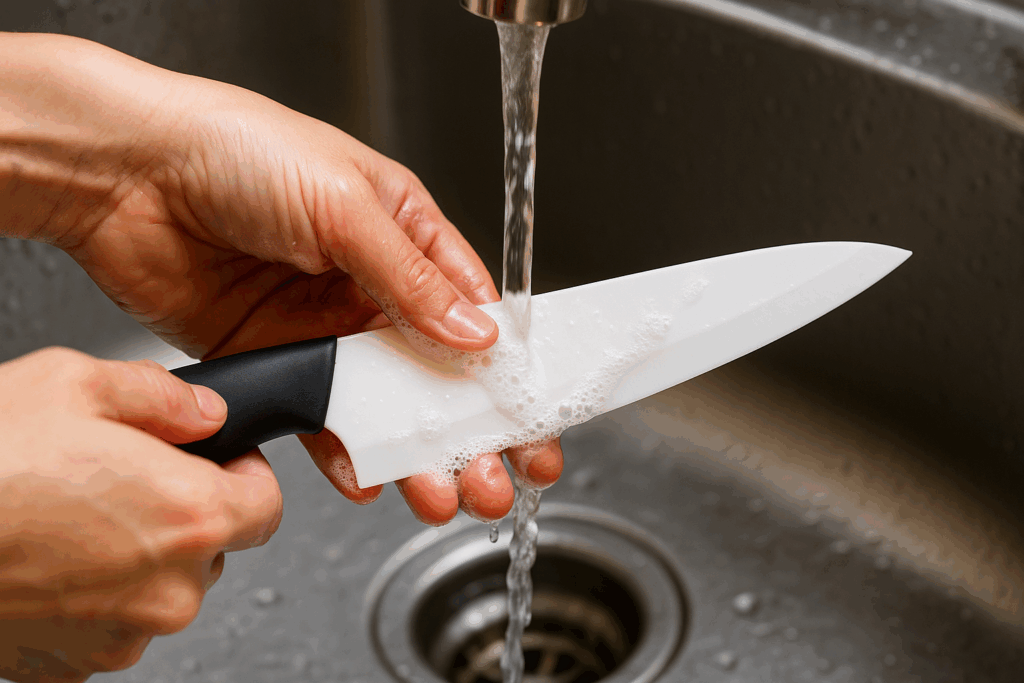
Checking your knives regularly helps catch dullness or tiny chips before they become bigger problems. Take a moment after each use to wipe the blade clean and inspect it under good light. Look for any signs of wear or damage.
If you spot dull spots, consider a professional sharpening service rather than trying to fix it yourself immediately. Keeping your ceramic knife clean and dry also prevents damage. Do you make time to care for your knives after cooking? Making this a habit can keep your blades sharper much longer.
Credit: countycomm.com
Common Mistakes To Avoid
Sharpening ceramic knives requires care and precision. Many people unintentionally damage their blades by making common mistakes during the process. Avoiding these pitfalls will help keep your ceramic knives sharp and extend their life.
Using Incorrect Sharpening Tools
Ceramic knives need special tools designed for their hardness and brittleness. Using regular metal sharpeners or steel rods can chip or crack the blade easily. Always choose diamond-coated or specifically made ceramic sharpeners to protect your knife’s edge.
Have you ever tried sharpening a ceramic knife with a standard sharpener only to find it duller or damaged afterward? This happens because incorrect tools apply uneven pressure, harming the blade’s delicate surface.
Applying Excessive Pressure
It’s tempting to press hard when sharpening to speed up the process. But too much force can cause tiny cracks or chips in the ceramic blade. A gentle, steady hand works better and prevents damage.
Think about how you sharpen your knife—are you pushing down hard? Try easing up and sharpening slowly. Your knife will thank you with a sharper, longer-lasting edge.
Ignoring Professional Help When Needed
Some ceramic knives are too tough or damaged for home sharpening. If you notice deep chips or significant dullness, professionals have the right tools and skills to fix them safely.
Don’t hesitate to take your knife to an expert. Trying to fix serious damage yourself can lead to costly repairs or even replacement. Sometimes, professional help is the best way to keep your ceramic knives in top shape.

Credit: www.facebook.com
Frequently Asked Questions
Can Ceramic Knives Be Sharpened At Home?
Yes, ceramic knives can be sharpened at home using a diamond sharpening tool. Regular sharpeners won’t work as ceramic is very hard and brittle. Use light pressure and avoid electric sharpeners to prevent damage.
How Often Should I Sharpen Ceramic Knives?
Sharpen ceramic knives only when they become dull, usually after several months of use. Over-sharpening can cause chipping. Proper care and gentle use extend the time between sharpening sessions.
What Tools Are Best For Sharpening Ceramic Knives?
Diamond sharpening stones or diamond-coated rods are ideal for ceramic knives. These tools can effectively grind the hard ceramic blade without cracking or damaging it. Avoid using traditional steel or ceramic sharpeners.
Can Professional Services Sharpen Ceramic Knives?
Yes, professional sharpening services can sharpen ceramic knives safely. They use specialized equipment designed for ceramic blades. This option ensures a precise edge without risking damage to the knife.
Conclusion
Ceramic knives can be sharpened, but it needs care and the right tools. Regular kitchen sharpeners may not work well on ceramic blades. Using a diamond sharpener or taking the knife to a professional helps keep it sharp. Avoid using too much pressure to prevent damage.
Keeping ceramic knives sharp improves their performance and safety. With proper care, these knives stay useful for a long time. Sharpening ceramic knives is possible, just do it carefully and correctly.