

Have you ever wondered if you can use your regular hand soap in a foaming dispenser? It sounds simple, but the answer might surprise you.
If you’ve ever tried it and ended up with a watery mess or no foam at all, you’re not alone. Understanding how foaming dispensers work can save you time, money, and frustration. Keep reading to find out why your regular soap might not be the best fit—and what you can do instead to get that perfect, rich foam every time.

Credit: kuishi.com
Foaming Dispenser Basics
Foaming dispensers bring a unique touch to hand washing. They turn liquid soap into a light foam that spreads easily on your hands. Understanding how these dispensers work helps decide if regular hand soap fits well with them.
How Foaming Dispensers Work
Foaming dispensers mix soap and air. Inside, a small pump pushes the soap through a mesh. This action creates foam before it leaves the nozzle. The foam feels soft and covers more skin with less soap.
Components Of Foaming Soap
Foaming soap contains special ingredients. It usually has a lower soap concentration. Thickeners and foaming agents help create stable bubbles. These components work together to make soap turn into foam quickly.
Difference Between Foaming And Regular Soap
Regular soap is thicker and more concentrated. It is designed to be used as is. Foaming soap is thinner and diluted. It contains air to create foam in the dispenser. Using regular soap in a foaming dispenser may clog the pump or reduce foam quality.

Credit: kuishi.com
Using Regular Soap In Foaming Dispensers
Using regular hand soap in foaming dispensers might seem simple. These dispensers are designed for special foaming soaps. Regular soaps differ in texture and thickness. This difference can affect how well the dispenser works. Understanding these effects helps avoid problems and keeps your dispenser in good shape.
Potential Issues And Risks
Regular soap is thicker than foaming soap. This thickness can clog the dispenser nozzle. It may cause the pump to stop working properly. The soap may come out in large blobs instead of foam. This waste of soap can be frustrating. Also, clogged pumps require cleaning or replacement.
Some regular soaps have ingredients that can damage the dispenser. They may cause plastic parts to wear out faster. The dispenser’s lifespan can shorten. Using the wrong soap can lead to leaks and messes around the sink.
Dilution Requirements
Regular soap usually needs dilution to work in foaming dispensers. Mixing soap with water thins it out. A common ratio is one part soap to four parts water. This makes the soap thinner and easier to foam.
Proper dilution prevents clogging and improves foam quality. Stir the mixture gently to avoid bubbles before use. Test the mixture before filling the dispenser completely. Adjust the ratio if the foam is too thick or too watery.
Impact On Dispenser Mechanism
The dispenser’s pump is designed for thin, foaming liquids. Using thick soap can strain the pump mechanism. Pumps may wear out faster or break down. This leads to costly repairs or replacement.
Foaming dispensers rely on air mixing with soap. Thick soap stops this process. The dispenser cannot create foam properly. This reduces the user experience and can be disappointing.
Best Practices For Foaming Soap
Foaming soap dispensers work best with specific types of soap. Using the right soap helps keep the dispenser clean and working well. Following good practices can extend the life of your foaming soap dispenser. It also ensures a rich, foamy lather every time. Proper care and correct soap choice make a big difference.
Choosing The Right Soap
Regular hand soap is usually too thick for foaming dispensers. Thick soap can clog the pump or cause poor foam. Look for soaps labeled “foaming soap” or “dilutable soap.” These soaps have the right consistency for foaming pumps. Thin, liquid soaps work better and create more foam.
Some soaps contain moisturizers or oils that may block the dispenser. Avoid using heavily scented or creamy soaps. Clear, gentle soaps work best and keep the dispenser clean. Always check the soap’s label before using it in a foaming dispenser.
Diy Foaming Soap Recipes
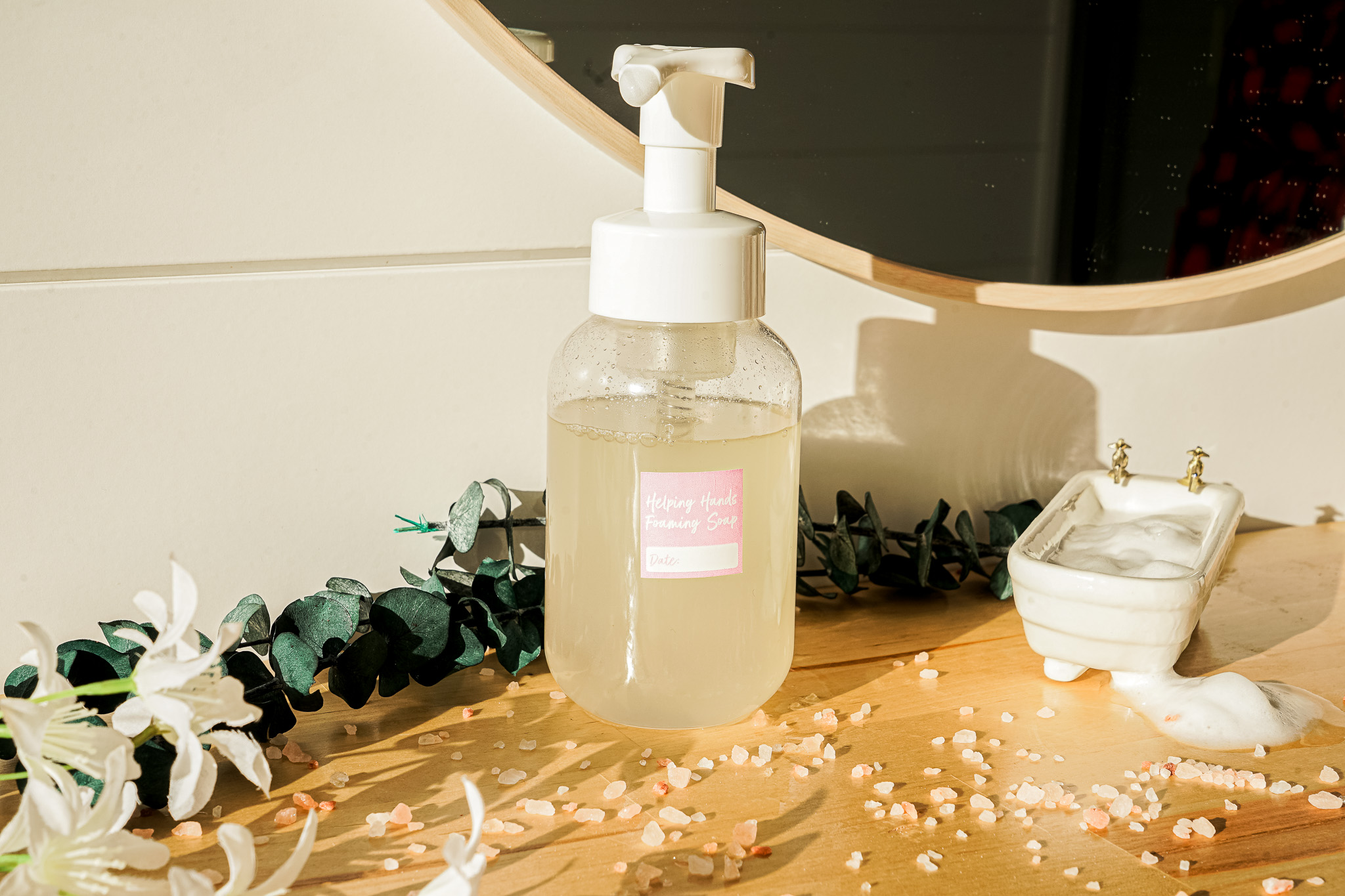
Making your own foaming soap is simple and cost-effective. Mix one part liquid hand soap with four parts water. Use a gentle, liquid soap for the base. Pour the mixture carefully into your foaming dispenser.
- Use warm water to help blend the soap well.
- Do not overfill the dispenser to allow room for foam.
- Shake gently before each use to mix the soap and water.
Adding a few drops of essential oil can add fragrance without clogging. Avoid thick soaps or gels in your DIY mix. Stick to clear, liquid soap for best results.
Maintaining Your Dispenser
Regular cleaning keeps your foaming dispenser working smoothly. Rinse the pump with warm water every few weeks. Remove soap residue that can block the nozzle. If the pump clogs, soak it in warm water for a few minutes.
Refill the dispenser before it is completely empty to avoid air bubbles. Avoid mixing different soap brands to prevent clogs. Store your dispenser in a cool, dry place to protect the pump mechanism.
Checking the dispenser often extends its life. Proper maintenance ensures a steady, rich foam each use.
Credit: blog.simplyearth.com
Alternatives To Regular Soap
Looking for alternatives to regular hand soap for your foaming dispenser can save you frustration and improve your hand-washing experience. Regular soap often doesn’t work well in foaming dispensers because it’s too thick or lacks the right consistency. But there are several other options that can deliver a rich foam and clean hands effectively.
Foaming Soap Options
Foaming soaps are specially formulated to create bubbles when pumped. These soaps are usually thinner and come premixed to work perfectly in foaming dispensers.
You can find many foaming hand soaps in stores that come in refill bottles designed specifically for foam dispensers. They often contain gentle ingredients that keep your skin soft while cleaning thoroughly.
Have you noticed how some foaming soaps last longer? That’s because their texture spreads easily, so a little goes a long way.
Liquid Soap Adaptations
If you want to use your favorite liquid soap, you can adjust it to work better in a foaming dispenser. Diluting the soap with water helps thin it out, allowing the dispenser to create foam.
A common ratio is about 1 part soap to 3 parts water, but you might need to experiment to find what works best for your soap and dispenser. Adding a drop of glycerin can improve the texture and hydration.
Remember, not all soaps dilute well—thick gels and creamy soaps may still clog your dispenser. Testing small batches before filling the whole bottle can save you trouble.
Benefits Of Foaming Soap
Foaming soap spreads quickly and feels lighter on your skin, which many people find more enjoyable. It can encourage more frequent handwashing since the foam feels fun and easy to use.
Another benefit is that foaming soap often requires less water to rinse off completely, making it more eco-friendly. Plus, it tends to last longer than regular liquid soap, saving you money.
Have you considered how the ease of use might influence your family’s hand hygiene habits? Foaming soap can make a simple task more appealing to everyone.
Frequently Asked Questions
Can You Use Regular Hand Soap In A Foaming Dispenser?
Regular hand soap is usually too thick for foaming dispensers. It may clog the mechanism and not produce foam properly.
How To Dilute Regular Soap For Foaming Dispensers?
Mix one part regular soap with three to four parts water. This creates a thinner solution that works well in foaming dispensers.
Will Regular Soap Damage A Foaming Dispenser?
Thick soap can strain or clog the dispenser pump. Over time, this may damage the foaming mechanism and reduce its lifespan.
Are Foaming Soaps Better Than Regular Soaps?
Foaming soaps use less product and rinse faster. They are gentler on skin and more economical for frequent handwashing.
Conclusion
Regular hand soap can work in a foaming dispenser, but it may not foam well. Foaming soap is thinner and designed to mix with air easily. Using regular soap might clog the dispenser or make pumping hard. For best results, dilute regular soap with water before adding it.
This helps create foam and protects the dispenser. Keep your soap and dispenser clean to avoid problems. Choosing the right soap keeps handwashing easy and pleasant every time. Simple steps make a big difference for your foaming dispenser.