

Have you ever wondered if it’s safe to put hot glass straight into your fridge? You might be tempted to cool down your leftovers quickly or save time after cooking.
But is this a smart move, or could it cause problems? Understanding what happens when hot glass meets cold air can save your dishes—and your fridge. Keep reading to find out the surprising truth and learn the best way to handle hot glass containers safely.
Your kitchen routine might change for the better!
Effects Of Temperature Shock On Glass
Glass is sensitive to sudden temperature changes. This effect is called temperature shock. It can cause glass to crack or shatter. Understanding how glass reacts to quick cooling helps protect your kitchenware.
How Glass Reacts To Sudden Cooling
When hot glass meets a cold environment, it cools unevenly. The outer surface shrinks faster than the inside. This difference creates stress inside the glass. If the stress is strong enough, cracks appear. Sometimes, the glass breaks completely without warning.
Temperature shock happens because glass is a poor conductor of heat. It cannot adjust temperature quickly. Fast cooling causes parts of the glass to contract at different speeds. This uneven contraction weakens the glass structure.
Types Of Glass And Their Heat Resistance
Not all glass handles heat the same way. Some types resist temperature shock better.
- Borosilicate glass:Made to resist heat. Used in laboratory and cookware. Handles sudden temperature changes well.
- Soda-lime glass:Common in everyday items. Less heat resistant. More likely to crack from temperature shock.
- Tempered glass:Heat-treated to be stronger. Can resist thermal stress better than regular glass.
Choosing the right glass type reduces the risk of damage. Borosilicate glass is best for moving hot items to cold places.

Credit: pyrexhome.com
Potential Dangers Of Placing Hot Glass In The Fridge
Placing hot glass directly into the fridge might seem like a quick way to cool your food or leftovers. But it can bring some hidden risks you might not expect. Understanding these dangers helps you protect your kitchenware and keep your fridge working efficiently.
Risk Of Glass Cracking Or Shattering
Hot glass experiences rapid temperature change when placed inside a cold fridge. This sudden shift can cause the glass to crack or even shatter, especially if it’s thin or has existing weaknesses. Have you ever heard that sharp noise of a glass breaking unexpectedly? That’s the kind of damage this can cause.
Even sturdy glass containers aren’t completely safe. The stress from temperature shock can weaken them over time, making future breaks more likely. You might lose your favorite dishware or create a dangerous mess.
Impact On Refrigerator Efficiency
Putting hot glass into your fridge forces the appliance to work harder to cool it down. This extra effort raises the internal temperature temporarily, which can affect other stored food. Your fridge’s compressor runs longer, increasing energy consumption and wear and tear.
Think about your electricity bill and how often your fridge needs maintenance. Avoiding hot glass helps maintain a stable temperature and keeps your fridge running smoothly. Could a simple habit like waiting for your food to cool save you money and hassle?
Safe Practices For Cooling Hot Glass Items
Cooling hot glass items safely prevents damage and keeps your fridge intact. Sudden temperature changes can cause glass to crack or shatter. Following careful steps helps protect your kitchenware and food. Understanding the best ways to cool hot glass ensures safety and longevity.
Allowing Glass To Cool Before Refrigeration
Let glass items cool at room temperature before placing them in the fridge. This step reduces thermal shock, which can break or weaken the glass. Avoid putting piping hot dishes directly into cold storage. Instead, leave them on a heat-safe surface for 20 to 30 minutes. This simple pause helps maintain the glass’s strength and your fridge’s temperature balance.
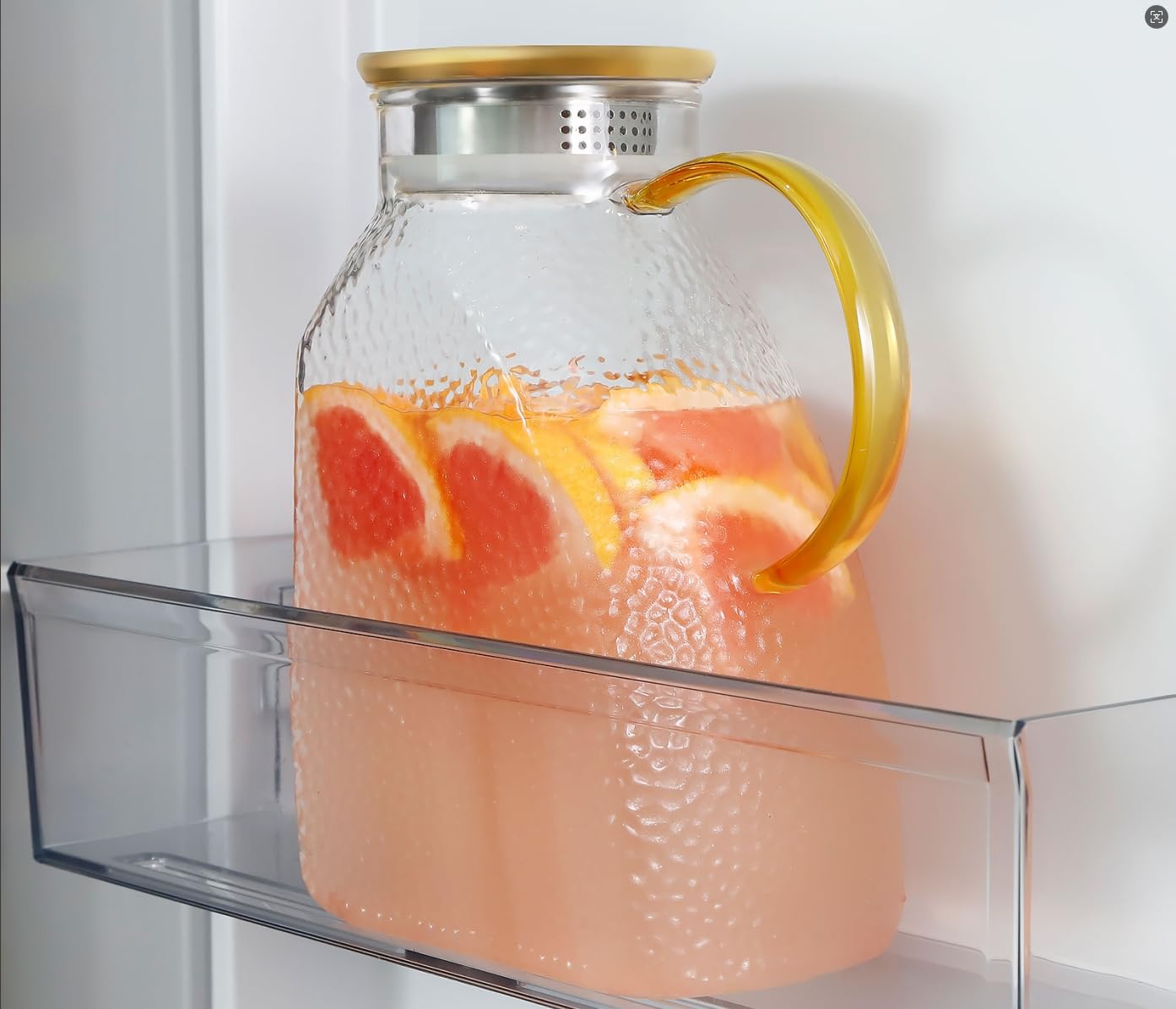
Using Heat-resistant Containers
Choose containers designed to handle heat changes. Heat-resistant glass or tempered glass holds up better under temperature shifts. These containers reduce the risk of cracking when moving from hot to cold. Always check product labels for temperature guidelines. Using the right containers protects both your food and your kitchenware.
Credit: www.amazon.com
Alternatives To Placing Hot Glass In The Fridge
Placing hot glass directly into the fridge is risky—it can cause the glass to crack or even shatter due to sudden temperature changes. Luckily, there are safer alternatives to cool your hot glassware without damaging it or your fridge. These methods help you manage temperature changes gently while preserving your kitchenware and food safety.
Room Temperature Cooling Methods
Allowing hot glass to cool at room temperature is one of the simplest and safest ways to avoid thermal shock. Place the glass on a heat-resistant surface, like a trivet or a wooden board, and let it sit for 20 to 30 minutes. This gives the glass time to cool down gradually before you put it in the fridge.
Sometimes, I’ve found that just leaving a hot casserole dish on the counter for a while prevents the panic of it cracking in the fridge. You can speed this up a bit by ensuring good air circulation—open windows or a small fan nearby can help.
- Use a cooling rack to elevate the glass and allow air to circulate underneath.
- Avoid stacking hot glass containers to prevent uneven cooling.
- Keep pets and kids away from hot surfaces to avoid accidents during cooling.
Using Ice Baths Or Cold Water
If you need to cool your glass faster but still want to avoid sudden shocks, an ice bath or cold water bath is a smart choice. Fill a larger container or your sink with cold water and ice, then carefully place the hot glass container inside. Make sure the water level is below the rim to keep your food safe from water contamination.
I once tried this method with a glass pitcher of freshly brewed iced tea. It cooled down quickly without any cracks, which saved me time and frustration. Just remember to avoid plunging your glass directly from hot oven to ice water—that drastic temperature difference can still cause breakage.
- Gradually lower the glass into the cold water to reduce stress on the material.
- Keep an eye on the glass for any signs of cracking during the process.
- Dry the outside thoroughly before placing the glass in the fridge to avoid moisture buildup.
Signs Your Glassware May Be Damaged
Hot glassware can suffer damage when exposed to sudden temperature changes. Knowing the signs helps prevent accidents and ensures safety. Damaged glass can break unexpectedly, causing injury or spills. Checking your glassware before use is important.
Visible Cracks And Stress Marks
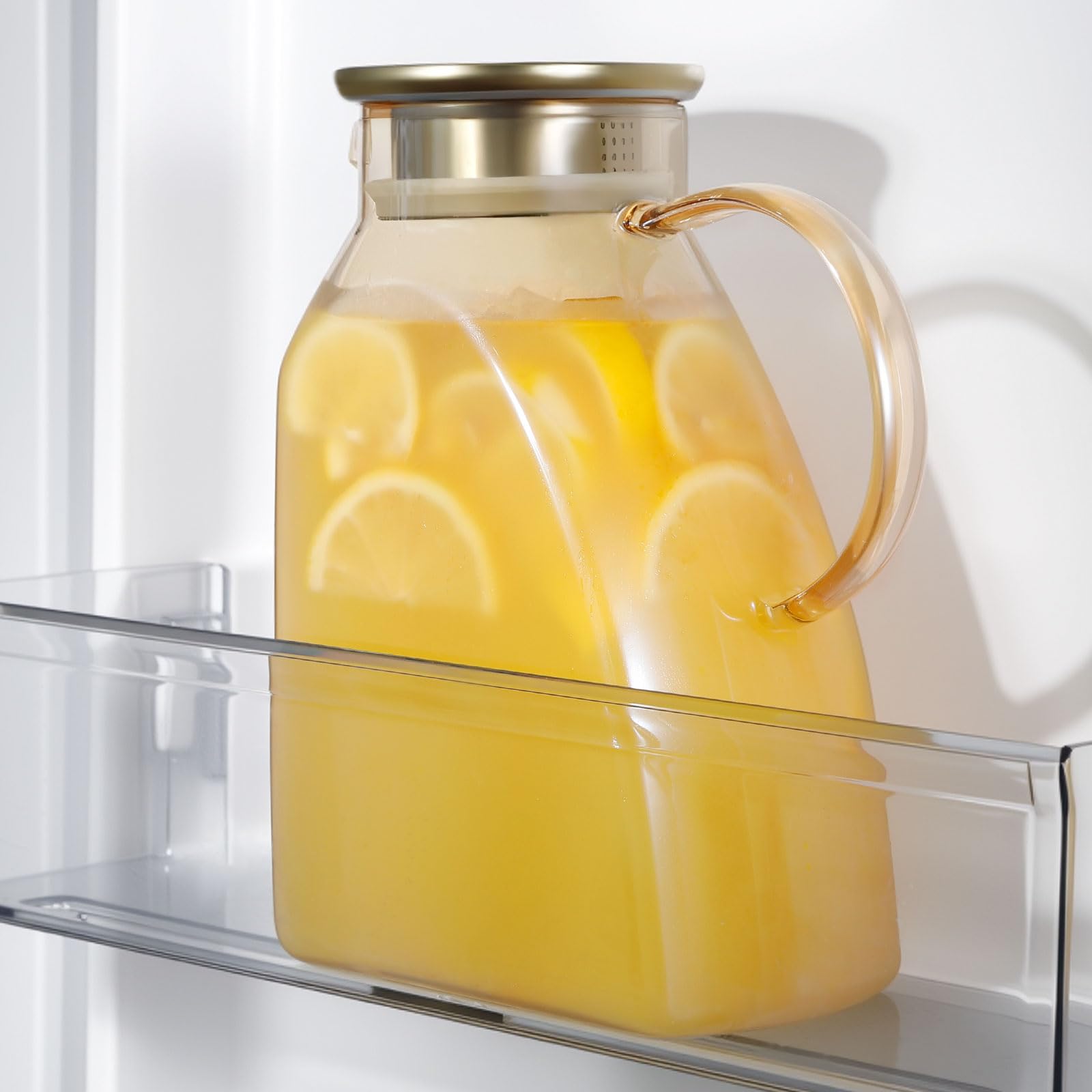
Look closely for any cracks or lines on the glass surface. These may appear as thin lines or spiderweb patterns. Stress marks often form near the edges or handles. Even small cracks weaken the glass structure. Using cracked glass increases the risk of breakage.
Changes In Glass Texture Or Color
Damaged glass can show changes in texture, such as rough or uneven spots. These areas feel different to touch compared to the smooth glass. Color changes like cloudy or foggy patches also indicate damage. These signs show the glass has been weakened and may break easily.
Credit: www.amazon.com
Frequently Asked Questions
Is It Safe To Cool Hot Glass In The Fridge?
Placing hot glass in the fridge isn’t recommended. Sudden temperature changes can cause thermal shock, leading to cracks or breaks. Let the glass cool to room temperature first. This prevents damage and maintains the glass’s integrity, ensuring safety and longevity.
Can Hot Glass Explode In Cold Environments?
Yes, hot glass can break or shatter in cold settings due to thermal shock. Rapid temperature changes stress the glass structure, causing potential explosions. Allow it to cool naturally before refrigeration to avoid accidents and preserve the glass.
What Risks Are Associated With Refrigerating Hot Glass?
Refrigerating hot glass poses several risks, including breakage and potential injury. Thermal shock from abrupt cooling can damage glass integrity. This may lead to leaks, spills, and safety hazards. To ensure safety, let glass cool before refrigeration.
How Long Should Glass Cool Before Refrigerating?
Allow glass to cool for about 30 minutes before refrigerating. This helps prevent thermal shock and breakage. Gradual cooling stabilizes the glass structure, ensuring safe refrigeration and maintaining its durability for future use.
Conclusion
Putting hot glass directly into the fridge can cause problems. The sudden cold may crack or break the glass. Let the glass cool down to room temperature first. This keeps your glass safe and your food fresh. Always handle glass containers with care to avoid accidents.
Remember, slow cooling is better for glassware. This small step helps your kitchen stay safe and tidy. Stay mindful and avoid quick temperature changes with glass. Your dishes and containers will last longer this way. Simple habits make a big difference in your kitchen.