

Have you ever wondered if you can simply toss your Dutch oven into the dishwasher and call it a day? You’re not alone.
Dutch ovens are a kitchen favorite, known for their versatility and durability. But when it comes to cleaning, you might hesitate. What if the dishwasher damages your pot or strips away its seasoning? You’ll discover the truth about dishwasher safety for Dutch ovens and learn the best way to keep yours looking and performing like new.
Keep reading to protect your investment and make cleaning a breeze.
Dishwasher Safety For Dutch Ovens
Dishwasher safety for Dutch ovens depends on several factors. Knowing the materials used, detergent effects, and water temperature impact helps protect your cookware. Dutch ovens vary in design and coating, affecting their dishwasher compatibility. Understanding these elements ensures your Dutch oven lasts longer and stays in good condition.
Materials Used In Dutch Ovens
Dutch ovens are usually made from cast iron or enameled cast iron. Bare cast iron is prone to rust if exposed to water for too long. Enameled Dutch ovens have a glass-like coating that resists rust but can chip easily. Some Dutch ovens use non-stick coatings, which may degrade in the dishwasher. Stainless steel Dutch ovens are rare but generally dishwasher safe.
Effects Of Dishwasher Detergents
Dishwasher detergents contain strong chemicals to remove grease and food. These chemicals can damage the enamel coating on some Dutch ovens. Harsh detergents may dull or scratch the surface. Detergents can also strip seasoning from bare cast iron, causing rust. Gentle hand washing with mild soap is usually safer for your Dutch oven.
Impact Of High Water Temperatures
Dishwashers use very hot water, sometimes above 140°F (60°C). High heat can cause thermal shock to enamel coatings, leading to cracks or chips. Repeated exposure to hot water can weaken the Dutch oven’s finish. Bare cast iron may lose its seasoning faster due to heat. Letting your Dutch oven cool down before washing helps maintain its quality.
Credit: www.surlatable.com
Types Of Dutch Ovens And Cleaning
Dutch ovens come in different types, each needing special care. Cleaning depends on the material and coating. Knowing your Dutch oven type helps decide if dishwasher use is safe.
Enameled Cast Iron Models
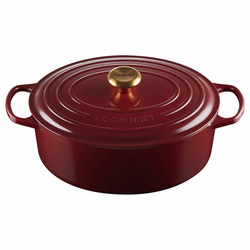
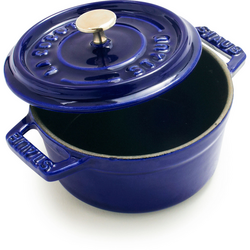
Enameled Dutch ovens have a smooth, colorful coating. This layer stops rust and makes cleaning easier. Most enameled models are dishwasher safe. But hand washing keeps the finish bright longer. Avoid harsh scrubbing or metal tools that can chip the enamel.
Traditional Cast Iron Varieties
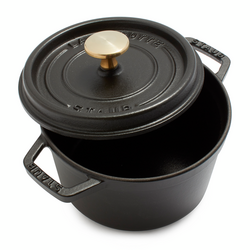
Traditional cast iron Dutch ovens have no coating. They need seasoning to stay non-stick and rust-free. Dishwashers can strip this seasoning and cause rust. Clean with warm water and a soft brush. Dry thoroughly and apply oil after washing to protect the surface.
Other Materials And Coatings
Some Dutch ovens use aluminum or ceramic materials. Non-stick coatings vary in durability. Check the manufacturer’s instructions before using a dishwasher. Most non-stick coatings last longer with gentle hand washing. Avoid abrasive cleaners and metal utensils to keep the surface intact.
Manufacturer Recommendations
Manufacturer recommendations play a key role in caring for your Dutch oven. Following these guidelines ensures your cookware lasts longer and performs well. Each brand offers specific advice on cleaning and maintenance. These instructions help avoid damage from improper care.
Guidelines From Leading Brands
Top Dutch oven brands often advise against dishwasher use. Most suggest hand washing with warm, soapy water. Abrasive scrubbers and harsh detergents can harm the enamel coating. Some brands allow dishwasher use but recommend checking the product label. Always follow the brand’s care instructions to keep the finish intact.
Warranty Considerations
Dishwasher cleaning may void your Dutch oven’s warranty. Many warranties require hand washing only. Using the dishwasher might cause enamel chipping or discoloration. This damage often is not covered under warranty. Read the warranty terms carefully before placing your Dutch oven in the dishwasher.
Common Cleaning Instructions
- Let the Dutch oven cool before washing.
- Use mild dish soap and a soft sponge.
- Avoid metal scrubbers or steel wool.
- Dry thoroughly to prevent rust on exposed cast iron.
- For stuck-on food, soak in warm water first.
Risks Of Dishwasher Cleaning
Cleaning your Dutch oven in the dishwasher might seem like a convenient shortcut. But it carries several risks that can affect the pot’s longevity and performance. Understanding these risks helps you decide if dishwasher cleaning is truly worth it for your cookware.
Potential Damage To Coating
Many Dutch ovens have an enamel coating that gives them their signature look and non-stick qualities. The harsh detergents and high water temperatures in dishwashers can chip or dull this coating over time. Once the enamel starts cracking or peeling, your Dutch oven may become less effective and harder to clean by hand.
Have you noticed your pot’s surface looking rough or stained after multiple dishwasher cycles? That’s a clear sign the coating is wearing down. Treating your Dutch oven gently by washing it with mild soap and a soft sponge preserves its finish much longer.
Rust Formation Concerns
If your Dutch oven has any exposed cast iron or metal parts, dishwasher cleaning can increase the risk of rust. Constant exposure to water and dishwasher detergents strips protective oils and leaves metal vulnerable. Even small scratches or chips in the enamel make rust spots more likely to develop.
Rust not only damages your cookware but can also affect the taste of your food. You might wonder if skipping the dishwasher is worth the extra effort. In many cases, drying your Dutch oven thoroughly and seasoning it after hand washing prevents rust without hassle.
Wear On Handles And Seals
The handles and seals on your Dutch oven often receive less attention but are equally at risk in dishwashers. Heat and strong detergents can weaken plastic or rubber seals, causing them to warp or crack. Metal handles might loosen over time due to repeated dishwasher cycles.
A loose handle can be dangerous when lifting a heavy, hot pot. Have you checked your handles for wobbling after cleaning? Hand washing helps maintain the integrity of these parts, making your Dutch oven safer and more reliable every time you use it.
Safe Cleaning Alternatives
Cleaning a Dutch oven properly keeps it in great shape for years. Dishwashers can damage some types, especially cast iron. Safe cleaning alternatives protect the pot’s surface and seasoning. They also maintain the pot’s cooking performance and appearance.
Hand Washing Techniques
Use warm water and mild dish soap for cleaning. Avoid harsh detergents or steel wool to prevent scratches. A soft sponge or brush works well to remove stuck food. For tough spots, soak the Dutch oven in warm water first. Rinse thoroughly to remove soap residue. This gentle method keeps the enamel or cast iron intact.
Proper Drying Methods
Dry your Dutch oven immediately after washing to stop rust. Use a clean towel to wipe the surface completely. For cast iron, place it on low heat for a few minutes. This removes all moisture inside and outside. Proper drying stops corrosion and keeps the pot ready to use.
Seasoning Tips For Cast Iron
Seasoning protects cast iron from rust and creates a non-stick surface. After drying, apply a thin layer of cooking oil to the inside. Use vegetable oil or flaxseed oil for best results. Heat the pot in the oven at 350°F (175°C) for one hour. Let it cool naturally before storing. Regular seasoning improves performance and extends the pot’s life.
Credit: www.surlatable.com
When Dishwasher Use Might Be Acceptable
Using a dishwasher for your Dutch oven can be safe under certain conditions. It depends on the type of Dutch oven and how often you clean it this way. Some Dutch ovens tolerate dishwasher cycles better than others. Knowing when dishwasher use might be acceptable helps protect your cookware.
Short Cycles And Mild Detergents
Choosing a short wash cycle reduces heat and water exposure. Mild detergents protect the enamel coating from harsh chemicals. These steps help keep your Dutch oven’s finish intact. Avoid heavy-duty cycles that use strong detergents or high heat.
Occasional Vs. Regular Cleaning
Using the dishwasher occasionally is less risky than frequent washing. Regular dishwasher use can wear down the enamel and cause rust. Hand washing remains the best option for daily care. Treat dishwasher cleaning as an occasional convenience, not a habit.
Signs To Avoid Dishwasher Use
- Chipped or cracked enamel coating
- Visible rust spots on the metal surface
- Loose handles or damaged parts
- Manufacturer’s instructions advising against dishwasher use
Ignoring these signs can damage your Dutch oven permanently. Always inspect your cookware before placing it in the dishwasher.
Credit: www.surlatable.com
Frequently Asked Questions
Can You Safely Wash A Dutch Oven In The Dishwasher?
Most Dutch ovens are not dishwasher safe. The harsh detergent and high heat can damage the enamel coating and metal. Hand washing with mild soap and a soft sponge is recommended to preserve its quality and lifespan.
Will Dishwasher Damage The Enamel On Dutch Ovens?
Yes, dishwasher detergents and heat may cause enamel chipping or discoloration. To maintain the enamel’s appearance and durability, always hand wash your Dutch oven gently with warm, soapy water.
How Should You Clean A Dutch Oven Properly?
Clean your Dutch oven by soaking it in warm water with mild soap. Use a soft sponge to remove residue. Avoid abrasive tools and harsh detergents to protect the enamel and prevent damage.
Does Dishwasher Use Affect Cast Iron Dutch Ovens?
Dishwashers can ruin cast iron Dutch ovens by stripping seasoning and causing rust. Hand washing and thorough drying after use are essential to maintain seasoning and prevent corrosion.
Conclusion
Dutch ovens often have special coatings that dishwashers can damage. Washing by hand keeps the pot’s surface safe and long-lasting. Hot water and strong detergents inside dishwashers may cause wear. It’s best to clean with gentle soap and a soft sponge.
Taking care this way helps maintain your Dutch oven’s quality. A little extra effort protects your cookware for many meals to come. Choose hand washing for the best results and lasting use. Easy to do and worth it every time.