

Have you ever wondered if you can bake that perfect sourdough bread without using a Dutch oven? If you’ve tried sourdough baking, you know how important a good crust and even heat are.
But what if you don’t have a Dutch oven at home? Don’t worry—your kitchen has more options than you think. You’ll discover simple, effective ways to get that crispy crust and soft inside, all without the need for special equipment.
Keep reading, and you’ll soon be baking delicious sourdough bread with tools you already have.
Why Dutch Ovens Are Popular For Sourdough
Dutch ovens are a top choice for baking sourdough bread at home. Their unique design helps create perfect baking conditions. This makes sourdough baking easier and more reliable for many bakers.
Role Of Steam And Heat Retention
Dutch ovens trap steam released by the dough during baking. This steam keeps the crust soft at first. It helps the bread rise fully before the crust hardens. The heavy lid holds in moisture and heat evenly. This steady heat helps the bread cook through without burning.
Impact On Crust And Texture
The steam inside a Dutch oven creates a shiny, crisp crust. It also gives the bread a chewy texture inside. The thick walls of the pot create even heat. This prevents hot spots that can burn or dry out the bread. The result is a loaf with a crunchy outside and soft, airy inside.
Credit: www.youtube.com
Alternative Cookware Options
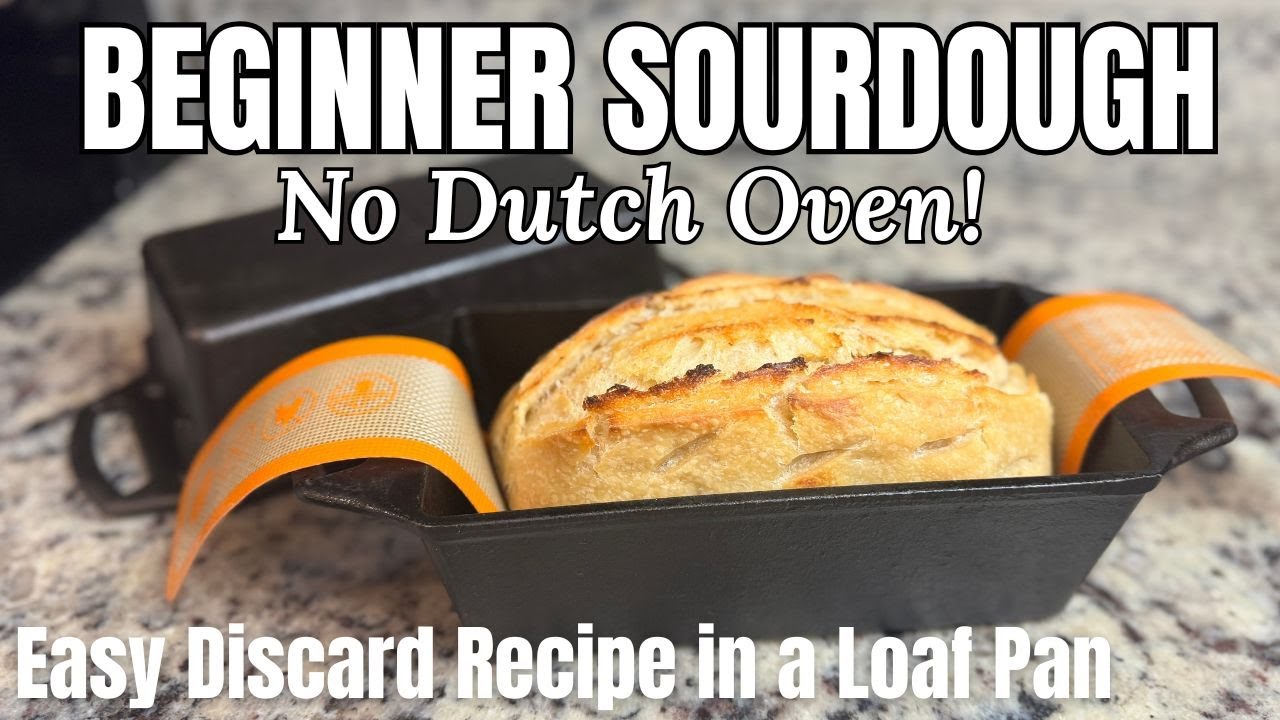
Sourdough bread can be baked without a Dutch oven using alternatives like a heavy pot or baking stone. These options help trap steam, creating a crispy crust and soft inside. Experimenting with different cookware still delivers great homemade bread results.
Cooking sourdough bread without a Dutch oven might seem challenging. Fear not, there are alternative cookware options. These alternatives can help you achieve a crusty loaf with that signature sourdough texture. Explore the possibilities and discover how different tools can influence your baking experience.Using Cast Iron Skillets
Cast iron skillets are great for sourdough. They retain heat well. This helps create a crispy crust. Preheat the skillet in the oven. Carefully transfer your dough into the hot skillet. Cover it with an oven-safe lid or foil. This traps steam, mimicking a Dutch oven. The result is a beautiful loaf.Baking On A Pizza Stone Or Steel
Pizza stones offer even heat distribution. Preheat the stone before placing your dough on it. This ensures a nice bottom crust. Use a metal bowl as a lid to trap steam. Baking steels work similarly. They are durable and conduct heat effectively. Both options are excellent for achieving a golden crust.Glass Or Ceramic Baking Dishes
Glass and ceramic dishes can be used for sourdough. They are convenient alternatives. Preheat the dish for best results. Cover with a lid or foil during baking. This keeps moisture in, aiding crust formation. While not as heat-conductive as cast iron, they still perform well. Experiment to find your preferred method.Adjusting Baking Techniques
Adjusting baking techniques is key to baking sourdough bread without a Dutch oven. This tool traps steam and heat, creating a perfect crust. Without it, changes in method help achieve similar results. Focus on creating steam and managing oven temperature for even baking. These adjustments improve crust texture and bread rise.
Creating Steam Without A Dutch Oven
Steam keeps the crust soft during the first baking minutes. It lets the bread expand fully before hardening. To create steam without a Dutch oven, place a metal pan on the oven’s bottom rack. Pour hot water into the pan when you put the bread inside. This produces steam that helps form a crispy crust.
Another way is to spray water inside the oven with a spray bottle. Do this quickly right after placing the dough inside. Repeat spraying a few times in the first 5 minutes. Covering the dough loosely with a large metal bowl also traps steam effectively.
Managing Temperature For Even Baking
Oven temperature control is crucial for good sourdough results. Preheat the oven thoroughly to ensure stable heat. Avoid opening the oven door often, as heat escapes quickly. Use an oven thermometer to check the real temperature inside.
Try baking at a slightly lower temperature for longer. This helps the bread bake evenly without burning the crust. Rotate the bread halfway through baking to brown it evenly on all sides. These small tweaks can improve your bread’s texture and color.

Credit: www.instagram.com
Tips For Achieving A Crispy Crust
Achieving a crispy crust on sourdough bread without a Dutch oven is possible with the right techniques. The crust forms by trapping steam and creating high heat around the dough. Small tricks help create this environment in a regular oven. Focus on moisture and heat to get that perfect crunch.
Using Water Sprays And Trays
Spraying water inside the oven creates steam. Steam keeps the dough surface moist at first. This moisture delays hardening, allowing the crust to expand fully. Use a spray bottle to mist water on oven walls quickly after placing the dough inside.
Place a metal tray at the bottom of the oven. Pour hot water into this tray to generate steam during baking. Be careful to avoid burns from the steam. This method mimics the steam environment of a Dutch oven.
Preheating Methods
Preheat the oven and baking surface well before baking. A hot surface helps form a crust quickly. Use a baking stone or heavy metal tray to hold heat evenly.
Heat the oven to a high temperature, usually around 450°F (230°C). This intense heat encourages the crust to develop fast. Place the bread on the hot surface to start baking immediately.
Common Challenges And Solutions
Baking sourdough bread without a Dutch oven comes with some challenges. These issues can affect the texture and taste of your bread. Understanding common problems helps you find easy solutions. This way, you can enjoy fresh sourdough even without special equipment.
Preventing Bread From Sticking
Sticking is a frequent problem when baking on a regular baking sheet. The bread may stick to the surface and tear when removed. To prevent this:
- Use parchment paper under the dough for easy release.
- Lightly dust the baking surface with flour or cornmeal.
- Grease the tray with a small amount of oil or butter.
- Use a silicone baking mat as a non-stick surface.
These steps help keep your bread intact and looking good.
Avoiding Overbaking Or Undercooking
Without a Dutch oven, heat distribution changes. This may cause the crust to burn or the inside to stay raw. To avoid these issues:
- Preheat your oven well to create a hot environment.
- Use an oven thermometer to check the exact temperature.
- Bake the bread on a lower rack to prevent burning the crust.
- Use a baking stone or heavy tray to mimic the Dutch oven’s heat retention.
- Test the bread’s doneness by tapping the bottom; it should sound hollow.
These tips ensure your sourdough bakes evenly and tastes great.
Expert Recommendations
Expert bakers have tackled the challenge of baking sourdough bread without a Dutch oven, sharing tips that can help you achieve great results at home. Their advice focuses on controlling heat and moisture to mimic the conditions a Dutch oven creates. These insights can guide you to bake crusty, flavorful loaves even if you don’t own specialized equipment.
Best Practices From Professional Bakers
Many professionals suggest using a baking stone or steel to maintain even heat. Preheat it thoroughly to create a stable surface that helps your dough rise properly and bake evenly.
To trap steam—essential for a crisp crust—cover your dough with a large metal bowl or use a roasting pan with a lid during the first part of baking. This mimics the steam environment of a Dutch oven.
Some bakers recommend scoring your dough deeply to control expansion and prevent tearing. This also enhances the bread’s appearance and texture.
Have you tried adjusting your oven rack placement? Placing your bread lower in the oven can boost bottom heat, improving the crust’s development.
Tools Worth Investing In
- Baking Stone or Steel:These tools provide consistent heat and improve oven spring.
- Roasting Pan with Lid:Serves as a great alternative to trap steam around your bread.
- Kitchen Thermometer:Ensures your oven is at the perfect baking temperature.
- Bench Scraper:Helps shape dough with precision and ease.
By choosing the right tools, you can create a baking environment that supports excellent sourdough, no matter your setup. What small change in your toolkit could make the biggest difference in your bread?
Credit: www.youtube.com
Frequently Asked Questions
Can You Bake Sourdough Without A Dutch Oven?
Yes, you can bake sourdough without a Dutch oven by using alternative methods. Use a heavy baking sheet and add steam for crust. A covered roasting pan or oven-safe pot works well too. These options help create the needed heat and moisture for good crust.
What Substitutes Work For A Dutch Oven In Sourdough Baking?
Good substitutes include covered roasting pans, heavy pots with lids, or cast iron skillets. You can also use a baking stone with a steam tray. These alternatives trap heat and moisture, mimicking a Dutch oven’s effect on sourdough crust and texture.
How To Create Steam Without A Dutch Oven?
Place a pan with hot water on the oven floor to create steam. Spray water inside the oven before baking for moisture. Steam helps develop a crispy sourdough crust without needing a Dutch oven. This technique improves oven spring and crust quality.
Will Sourdough Taste Different Without A Dutch Oven?
The taste is mostly unaffected, but crust texture may change. Without a Dutch oven, crust might be less crispy or thick. Proper steam and heat retention help maintain flavor and texture. Using alternatives still produces delicious sourdough bread.
Conclusion
Sourdough bread can bake well without a Dutch oven. You can use a baking sheet or a heavy pan instead. Creating steam in the oven helps the crust turn crispy. Covering the bread with a large bowl works too. Different methods bring different results, but all can be tasty.
Experiment with what you have at home. Baking sourdough is about patience and practice. Enjoy the process and the fresh bread you make. Keep trying, and your bread will improve over time.