

Have you ever wondered if you can use instant coffee in your coffee maker? It sounds simple, but the answer might surprise you.
If you’re looking for a quick and easy way to enjoy your favorite brew without the hassle, understanding how instant coffee works with your machine can save you time and frustration. Keep reading to find out whether your coffee maker is ready for instant coffee, and learn some tips to get the best flavor every time.
This guide will help you make the most of your morning cup, no matter what kind of coffee you have on hand.
Credit: www.consumerreports.org
Instant Coffee Basics
Understanding instant coffee helps decide if it fits in a coffee maker. This section explains the basics of instant coffee. It describes what it is and how it is made. Knowing these facts clears up confusion about its use in machines.
What Is Instant Coffee?
Instant coffee is coffee in a dried form. It dissolves quickly in hot water. It comes as powder or small granules. This coffee is ready to drink fast. No brewing or filtering is needed. People use it for quick coffee without tools.
How Instant Coffee Is Made
Instant coffee starts as brewed coffee. The coffee is brewed strong. Then it is dried to remove water. Two main drying methods exist:
- Spray drying:Coffee is sprayed into hot air. Water evaporates quickly, leaving fine powder.
- Freeze drying:Coffee is frozen. Then water is removed by a vacuum. This keeps more flavor.
Both methods create a shelf-stable product. This coffee keeps its taste long without spoiling.
Credit: www.amazon.ca
Coffee Makers Explained
Understanding how coffee makers operate is key to deciding whether instant coffee fits into your brewing routine. Coffee machines come in various designs, each with a unique way of extracting flavor from coffee grounds. Knowing these differences helps you use the right coffee type for the best taste and convenience.
Types Of Coffee Makers
- Drip Coffee Makers:These machines pour hot water over ground coffee, letting it drip through a filter into a pot. They are common in many homes and offices.
- Espresso Machines:They force hot water through finely ground coffee under high pressure, creating a strong, concentrated shot.
- French Press:This manual method steeps coffee grounds in hot water before pressing them out, producing a rich, full-bodied brew.
- Single-Serve Pod Machines:Use coffee pods or capsules to brew a single cup quickly and cleanly.
How Coffee Makers Work
Most coffee makers use hot water to extract flavor from coffee grounds. The water temperature and contact time with the coffee affect the taste significantly.
Drip machines heat water and pour it evenly over grounds, relying on gravity to filter the coffee. Espresso machines apply pressure to push water through tightly packed grounds for a bolder flavor.
Since instant coffee is already brewed and dried, it doesn’t need the brewing process these machines provide. You can simply add hot water to instant coffee. So, have you ever wondered if using instant coffee in a drip machine might just waste your coffee grounds and time?
Using Instant Coffee In Coffee Makers
Using instant coffee in coffee makers might seem unusual, but it’s a quick way to get your caffeine fix without grinding beans or dealing with filters. Before you try it, it’s important to understand how your coffee machine handles instant coffee. Not all machines work the same, and knowing the compatibility can save you time and avoid messes.
Compatibility With Different Machines
Not every coffee maker is designed to brew instant coffee. Machines like drip coffee makers and espresso machines rely on ground coffee that water passes through. Using instant coffee in these can clog filters or leave residue that’s hard to clean.
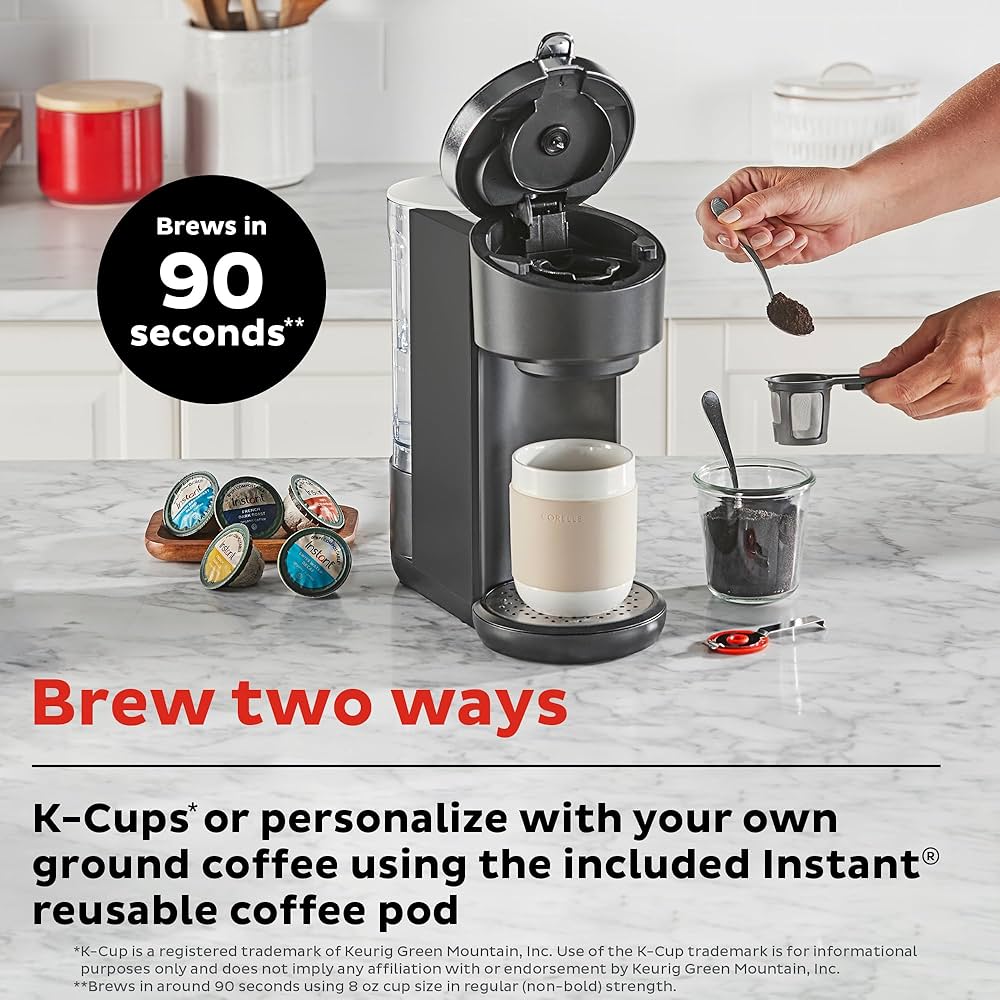
On the other hand, single-serve machines that use pods or capsules aren’t suitable for instant coffee unless you fill a compatible reusable pod yourself. Some specialized instant coffee machines exist, but they’re rare.
However, simple machines like hot water dispensers or electric kettles paired with a mug can work perfectly. You can add instant coffee directly to hot water without worrying about the machine’s brewing process. Have you ever tried using your coffee maker just as a hot water source for instant coffee?
Step-by-step Brewing Guide
- Fill your coffee maker’s water reservoir with fresh, cold water as usual.
- Run the machine without adding any coffee grounds or pods. This will heat and dispense hot water.
- Place your favorite mug under the coffee outlet.
- Add the desired amount of instant coffee granules directly into your mug. Usually, one to two teaspoons per cup works well.
- Once the hot water is dispensed, stir the instant coffee until fully dissolved.
- Add milk, sugar, or any flavoring you prefer.
This method lets you use your coffee maker for its heating function while avoiding potential damage or clogging. It’s simple and effective. Next time you’re in a rush, why not try this and see if it saves you time without compromising taste?

Credit: www.amazon.ca
Taste And Texture Differences
Using instant coffee in a coffee maker changes the taste and texture in ways you might not expect. The differences become clear the moment you take your first sip. Understanding these changes helps you decide if instant coffee is a good fit for your brewing routine.
Flavor Profile Comparison
Instant coffee often has a simpler, more muted flavor than brewed coffee. It lacks the rich, complex notes you get from fresh grounds. You might notice a slightly bitter or flat taste that doesn’t develop like brewed coffee does.
Freshly brewed coffee has layers of flavor that unfold as you drink it. You might find hints of chocolate, fruit, or nuts depending on the beans. Instant coffee rarely offers this depth because it’s made from dried coffee extract, which loses some subtleties during processing.
Think about the last time you tasted both side by side. Did the instant coffee feel less satisfying or one-dimensional? This can help you decide if the convenience is worth the trade-off in flavor.
Aroma And Mouthfeel
The aroma of instant coffee is usually weaker and less inviting than brewed coffee. Freshly brewed coffee releases a strong, enticing smell that can brighten your mood. Instant coffee’s aroma tends to be faint and sometimes a bit stale.
Mouthfeel also varies significantly. Brewed coffee has a fuller body and smoother texture, while instant coffee feels thinner and sometimes slightly grainy. This difference can affect how refreshing or rich your coffee feels.
Have you noticed how the texture influences your enjoyment? Even if the flavor is acceptable, a thin mouthfeel might leave you wanting more. These sensory details matter when you’re choosing your daily coffee fix.
Pros And Cons
Using instant coffee in a coffee maker isn’t a common practice, but it does have its pros and cons. Understanding these can help you decide if it fits your routine or if it’s better left for a quick fix. Let’s look at the advantages and the drawbacks to help you make an informed choice.
Advantages Of Using Instant Coffee
One big plus is convenience. Instant coffee dissolves quickly, so your coffee maker doesn’t need to work as hard extracting flavors from grounds. This can save you time, especially during busy mornings.
Instant coffee also reduces cleanup. Since you’re not dealing with coffee grounds, there’s no filter to throw away or basket to scrub. This can be a relief if you dislike cleaning your machine.
Another advantage is cost. Instant coffee is generally cheaper than whole beans or ground coffee. If you’re on a budget but still want a caffeine boost, this is a practical choice.
Drawbacks To Consider
However, instant coffee in a coffee maker often results in weaker flavor. Coffee makers are designed for brewing grounds, so they may not extract the full taste from instant granules. You might find the coffee bland or less satisfying.
Using instant coffee can also clog some coffee makers. The fine particles can get stuck in filters or pipes, potentially damaging your machine over time. This risk means you should check your coffee maker’s manual before trying.
Lastly, instant coffee usually has less aroma and complexity compared to freshly brewed coffee. If you value rich flavors and a full-bodied cup, instant coffee might leave you wanting more.
Have you ever tried using instant coffee in your machine? What was your experience like? Sometimes testing it yourself is the best way to see if the pros outweigh the cons for your taste and lifestyle.
Tips For Better Results
Getting the best out of instant coffee in your coffee maker takes a bit of know-how. Small adjustments can make a noticeable difference in taste and aroma. Here are some tips that will help you enjoy a richer and smoother cup.
Optimizing Water Temperature
Water temperature plays a crucial role in how your instant coffee dissolves and tastes. Aim for water just off the boil—around 85°C to 90°C (185°F to 194°F). Hotter water can make instant coffee taste bitter, while cooler water may leave granules undissolved and weak.
Try using a thermometer or let boiled water sit for 30 seconds before brewing. You might notice that your coffee becomes less harsh and more balanced with this simple step. Have you ever tasted how a slight temperature shift changes your brew?
Enhancing Flavor
Instant coffee can sometimes seem flat, but you can boost its flavor with a few tricks. Adding a pinch of salt or a dash of cinnamon to the coffee grounds before brewing can reduce bitterness and add depth.
Using milk or cream instead of water for part of the liquid can also create a creamier texture and richer taste. If you like your coffee sweet, try natural sweeteners like honey or maple syrup for an interesting twist. What flavor adjustments have you experimented with to improve your coffee?
Common Myths Debunked
Many people hesitate to use instant coffee in a coffee maker because of common myths that surround its quality and brewing methods. These myths often stop you from trying something simple that might save time and still deliver a decent cup. Let’s clear up these misunderstandings so you can make a more informed choice about your coffee routine.
Instant Coffee Quality Misconceptions
Instant coffee often gets a bad reputation for taste and quality. But have you noticed how some brands offer surprisingly rich flavors? The quality of instant coffee has improved a lot over the years, with many options made from high-grade beans.
Think about the last time you tried instant coffee—was it a cheap brand or a well-reviewed one? The truth is, quality varies just like with ground coffee. You don’t have to settle for bland coffee if you pick the right instant brand.
Brewing Method Myths
People often say you can’t use instant coffee in a coffee maker because it won’t brew properly. But instant coffee is designed to dissolve in hot water, so brewing it with a coffee maker won’t harm your machine or ruin the coffee.
In fact, using a coffee maker with instant coffee can be a convenient way to make a quick cup without extra steps. If you’re worried about clogging or residue, just remember to clean your machine regularly.
Have you ever tried using instant coffee in different ways? What worked best for you, and what didn’t? Experimenting can help you find the easiest method that fits your taste and lifestyle.
Frequently Asked Questions
Can Instant Coffee Be Brewed In A Coffee Maker?
Instant coffee is not suitable for brewing in a coffee maker. It dissolves in water and doesn’t require brewing. Using instant coffee in a machine may clog filters and damage the device.
Will Instant Coffee Damage My Coffee Maker?
Yes, instant coffee can clog filters and internal parts. Coffee makers are designed for ground coffee, not granules. Avoid using instant coffee to maintain your machine’s longevity and performance.
Is Instant Coffee The Same As Ground Coffee For Machines?
No, instant coffee is pre-brewed and dried, while ground coffee is raw beans. Coffee makers need ground coffee to extract flavor. Instant coffee dissolves directly in hot water, bypassing brewing.
Can I Mix Instant Coffee With Brewed Coffee?
Yes, you can add instant coffee to brewed coffee for stronger flavor. It’s a quick way to boost caffeine without extra brewing. Mix carefully to avoid bitterness or grainy texture.
Conclusion
Instant coffee works best outside coffee makers. Coffee makers need ground coffee. Instant coffee dissolves in water directly. It doesn’t brew like ground coffee. Using instant coffee in a coffee maker can cause problems. Clogs and messes might happen. Coffee tastes better with proper brewing.
Choose the right coffee for your machine. Save instant coffee for quick drinks. Enjoy coffee at its best. Follow instructions for perfect cups. Make every sip delightful. Your coffee maker deserves the right ingredients. Keep it simple for great coffee moments.
Always use coffee ground, not instant.