

Are you wondering if you can use a Dutch oven on your stove? You’re not alone.
Many people love Dutch ovens for their versatility, but they aren’t always sure how to use them correctly. Knowing whether your Dutch oven works on the stove can save you time, protect your cookware, and improve your cooking results. Keep reading to find out how to use your Dutch oven safely and effectively on your stove, and unlock the full potential of this amazing kitchen tool.
Dutch Oven Basics
Dutch ovens are a versatile and essential tool for many kitchens. They can be used for slow cooking, baking, frying, and even boiling. Knowing the basics helps you use them safely and effectively on the stove. Understanding their materials and types guides you to pick the right one for your cooking style.
Materials And Construction
Dutch ovens come in several materials, each with unique features. Cast iron is the most common. It holds heat well and cooks food evenly. Some cast iron ovens have an enamel coating. This coating prevents rust and makes cleaning easier. Another material is aluminum, which heats quickly but may not keep heat as long. Stainless steel Dutch ovens are durable and resist corrosion. They often have an aluminum core for better heat distribution.
Types Of Dutch Ovens
There are mainly two types of Dutch ovens:
- Traditional Cast Iron:Heavy and excellent at retaining heat. Ideal for slow cooking and frying.
- Enamel-Coated Cast Iron:Easier to clean and does not need seasoning. Great for acidic dishes.
Choosing the right type depends on your cooking needs and stove type.
Credit: www.maytag.com
Stove Compatibility
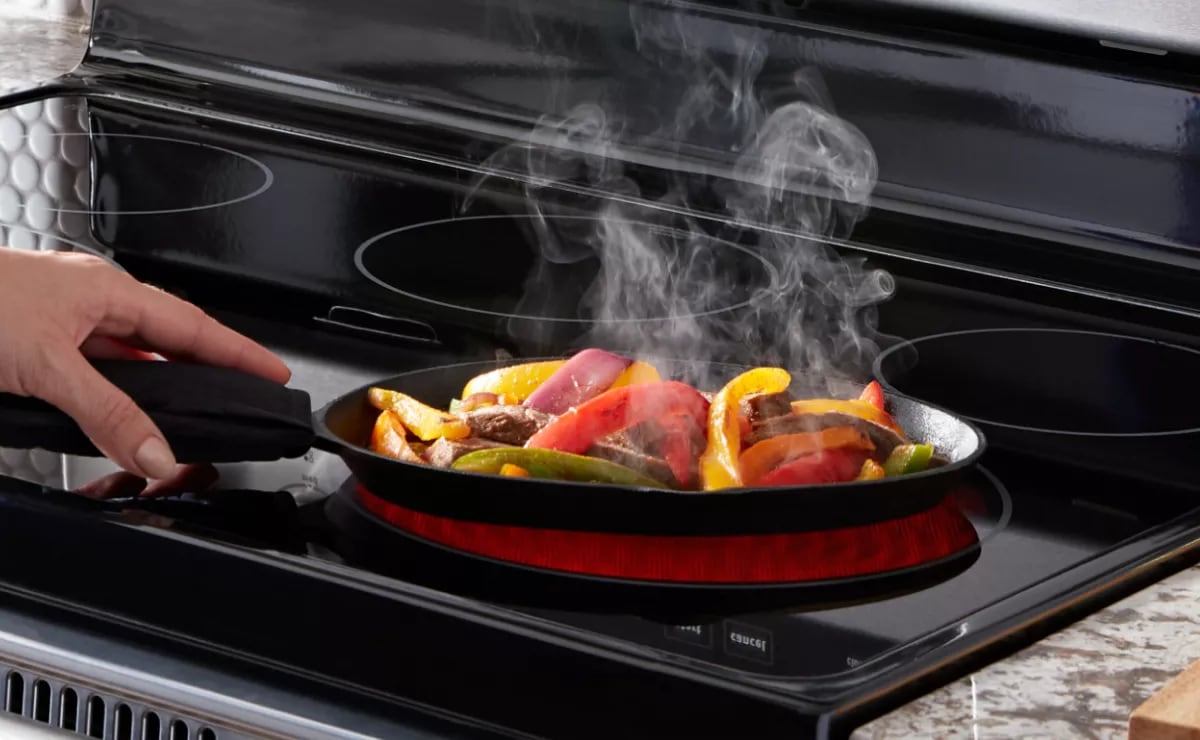
A Dutch oven works well on most stoves, including gas, electric, and induction. Its heavy bottom spreads heat evenly, perfect for cooking. Always check the manufacturer’s instructions to ensure stove compatibility.
Stove compatibility is crucial for using a Dutch oven effectively. This versatile cookware can enhance your cooking experience. Understanding how it interacts with different stove types helps ensure safety and efficiency. Each stove type has unique features influencing Dutch oven use.
Gas Stoves
Gas stoves offer direct heat and control. They suit Dutch ovens well. You can easily adjust flame levels. This lets you manage cooking temperatures precisely. The heavy base of a Dutch oven distributes heat evenly. This prevents hot spots and ensures consistent cooking. Use a medium flame for best results. Avoid high flames which can damage the oven.
Electric Stoves
Electric stoves provide steady heat. They work well with Dutch ovens. The flat surface supports the oven’s weight. Heat distribution might be slower than gas stoves. Preheat the Dutch oven for better results. This ensures even cooking. Use low to medium settings for gentle heat. High settings can cause overheating. Monitor the cooking process closely.
Induction Stoves
Induction stoves require special cookware. Dutch ovens with magnetic bases are compatible. They heat quickly and efficiently. This makes induction cooking effective. Adjust the settings for precise temperature control. Use a medium setting for balanced heat. Induction stoves are energy efficient. They offer quick response times. Ensure your Dutch oven is induction-ready.
Safe Usage Tips
Using a Dutch oven on the stove can be safe and effective with the right care. Proper handling protects your cookware and ensures it lasts a long time. Follow these tips to keep your Dutch oven in top shape while cooking.
Heat Settings To Use
Start cooking on low to medium heat. High heat can damage the enamel coating. Gradually increase the temperature as needed. Avoid sudden changes from low to high heat. This helps prevent warping and cracking.
Avoiding Thermal Shock
Never place a hot Dutch oven directly on cold surfaces. Avoid adding cold liquids to a hot pot. These actions cause thermal shock. Thermal shock can crack the enamel or cast iron. Let the pot cool down before cleaning or storing.
Handling And Care
- Use wooden or silicone utensils to avoid scratching.
- Do not use metal scrubbers for cleaning.
- Wash with warm, soapy water and a soft sponge.
- Dry thoroughly to prevent rust on cast iron parts.
- Store with the lid slightly off to allow air circulation.
Credit: www.tiktok.com
Cooking Techniques
Using a Dutch oven on the stove opens up a variety of cooking techniques that can elevate your meals. This versatile pot handles heat evenly, making it perfect for different styles of cooking. Let’s look at how you can use it for searing, simmering, braising, and slow cooking right on your stovetop.
Searing And Browning
Searing meat in a Dutch oven locks in flavor by creating a crispy, golden crust. The heavy cast iron retains heat well, allowing you to get a perfect sear without frequent temperature drops. Have you noticed how your steaks get that rich, deep color and aroma after just a few minutes on high heat? That’s the Dutch oven working its magic.
Make sure to preheat your Dutch oven properly before adding oil and meat. Avoid overcrowding the pot to keep the temperature consistent. This technique is also great for vegetables like onions and mushrooms, which develop a sweeter, caramelized taste when browned.
Simmering And Braising
The Dutch oven excels at simmering and braising thanks to its tight-fitting lid and thick walls. You can cook tougher cuts of meat slowly in liquid until they become tender and flavorful. Ever tried making pot roast or coq au vin? These dishes thrive when simmered gently in a Dutch oven on the stove.
Keep the heat low and steady to avoid burning or drying out your food. The pot’s heavy lid traps steam, circulating moisture and intensifying flavors. This technique allows you to transform simple ingredients into rich, hearty meals with minimal effort.
Slow Cooking On Stove
Slow cooking in a Dutch oven on the stove offers a great alternative if you don’t have a slow cooker. You can leave your dish unattended for hours on low heat, building complex flavors over time. Have you ever left a stew simmering while you went about your day? The results are often worth the wait.
To keep your food safe and delicious, use the lowest heat setting and stir occasionally. This method works well for soups, stews, and even some desserts. It’s a hands-off way to get deep, satisfying flavors without constant supervision.
Cleaning And Maintenance
Keeping your Dutch oven in top shape means paying attention to how you clean and maintain it. Proper care not only extends its life but also ensures your meals taste their best. Let’s dive into how you can handle this essential part of owning a Dutch oven.
Proper Cleaning Methods
After cooking, let your Dutch oven cool down before cleaning. Avoid shocking it with cold water to prevent cracking.
Use warm water and a soft sponge or brush to clean the pot. Skip harsh detergents; a little mild soap is usually fine unless the manufacturer says otherwise.
Dry your Dutch oven immediately with a towel to stop rust from forming. Leaving it to air dry can cause moisture to settle and damage the surface.
Removing Stubborn Residue
Have burnt-on food stuck to your Dutch oven? Fill it with warm water and let it soak for 15 to 30 minutes. This loosens residue without scrubbing hard.
If soaking doesn’t work, sprinkle coarse salt inside and scrub gently with a sponge. Salt acts as a natural abrasive and won’t harm your pot’s finish.
For tough stains, simmer water with a bit of baking soda in the Dutch oven for a few minutes. This helps lift grime and makes cleanup easier.
Seasoning Cast Iron Ovens
Seasoning is key if your Dutch oven is made of cast iron. It creates a natural, non-stick layer and protects against rust.
After cleaning, apply a thin coat of vegetable oil or shortening inside and out. Then, heat it in the oven at 350°F (175°C) for about an hour.
Do you notice your Dutch oven losing its shine or food sticking more? It might be time to reseason. Regular seasoning keeps your cookware performing well and looking great.

Credit: www.youtube.com
Common Mistakes To Avoid
Using a Dutch oven on the stove can be a fantastic way to cook hearty meals, but certain mistakes can damage your cookware or affect your food. Avoiding these common errors ensures your Dutch oven stays in great shape and your dishes turn out perfect every time. Let’s look at some key missteps to watch out for.
Using High Heat
Many people think Dutch ovens can handle any heat because they are heavy-duty. However, high heat can cause the enamel coating to crack or discolor. It’s best to use low to medium heat for even cooking and to protect your pot’s surface.
Have you ever noticed your food sticking or burning quickly? That’s often due to excessive heat. Keeping the flame moderate helps your Dutch oven work as designed, slowly distributing heat without damage.
Sudden Temperature Changes
Placing a hot Dutch oven directly into cold water or a cold surface can cause thermal shock. This rapid temperature change may crack the enamel or warp the metal. Always let your Dutch oven cool gradually before washing or moving it to a different temperature.
Think about how you handle glassware—would you pour ice water into a hot glass? The same care applies here. Taking a moment to cool your pot protects your investment and keeps cooking smooth.
Using Metal Utensils
Metal spoons or spatulas can scratch the enamel inside your Dutch oven. These scratches not only look unsightly but can also lead to chipping over time. Instead, choose wooden, silicone, or heat-resistant plastic utensils to preserve the surface.
Have you ever felt frustrated when your beautiful cookware shows marks after a single use? Switching utensils is a simple fix that saves you from that disappointment. Protect your Dutch oven by handling it gently, just as you would any valuable tool.
Choosing The Right Dutch Oven
Choosing the right Dutch oven can make a huge difference in your cooking experience, especially if you plan to use it on the stove. Your choice affects not only how your food cooks but also how comfortable you are handling the pot. Let’s break down the key factors you should consider before making your purchase.
Size And Weight Considerations
Think about how many people you usually cook for. A 5- to 7-quart Dutch oven works well for most families, but if you often cook for one or two, a smaller size might be easier to handle.
Weight is another factor. Cast iron Dutch ovens can be heavy, especially when full. If you have limited strength or prefer quick moves in the kitchen, a lighter model might save you from frustration.
Have you ever struggled lifting a heavy pot? Choosing a size and weight that fits your needs prevents accidents and makes cooking more enjoyable.
Coated Vs. Uncoated
Coated Dutch ovens, usually enameled, offer easy cleanup and don’t require seasoning. Their smooth surface resists rust and acidic foods, making them versatile for various recipes.
Uncoated Dutch ovens, typically raw cast iron, provide excellent heat retention and develop a natural non-stick surface over time. However, they need regular seasoning and more care to avoid rust.
Ask yourself how much time you want to spend on maintenance. If you prefer low upkeep, a coated Dutch oven might be your best bet. But if you enjoy the traditional feel and don’t mind extra care, uncoated offers strong performance.
Frequently Asked Questions
Can I Use A Dutch Oven On Any Stove Type?
Yes, most Dutch ovens work on gas, electric, and induction stoves. Check your specific model for compatibility before use.
Is It Safe To Use A Cast Iron Dutch Oven On The Stove?
Absolutely, cast iron Dutch ovens are designed for stovetop use. They distribute heat evenly and handle high temperatures safely.
How Do I Prevent Food From Sticking In A Dutch Oven?
Preheat the Dutch oven and add oil before cooking. Avoid cooking on very high heat to prevent sticking and burning.
Can I Use A Dutch Oven On A Glass Stovetop?
Yes, but use low to medium heat. Avoid dragging the pot to prevent scratches on the glass surface.
Conclusion
Dutch ovens work well on most stove types. They heat evenly and hold temperature long. Use medium or low heat to protect the pot. Avoid sudden temperature changes to prevent damage. Cast iron Dutch ovens need seasoning to stay nonstick.
Enamel-coated ones require gentle care to keep colors bright. Cooking with a Dutch oven on the stove adds great flavor. It suits soups, stews, and slow-cooked meals perfectly. Try it yourself and enjoy tasty, home-cooked dishes every time.