

Have you ever wondered if the clothes labeled “hand wash only” can actually be dry cleaned? You might be hesitant to try dry cleaning because you don’t want to ruin your favorite delicate pieces.
But what if dry cleaning could save you time and still keep your clothes looking fresh and new? You’ll discover the truth about hand wash clothes and dry cleaning. By the end, you’ll know exactly what’s safe for your wardrobe and how to care for your garments without worry.
Keep reading—you won’t want to miss these important tips!
Hand Wash Vs Dry Clean
Choosing between hand washing and dry cleaning depends on your clothes’ needs. Both methods clean garments but use very different techniques. Understanding these differences helps protect your fabric and keep your clothes fresh longer.
Fabric Types And Care
Hand washing suits delicate fabrics like wool, silk, and cotton. It uses gentle water and mild soap to avoid damage. Clothes labeled “hand wash only” often fall in this category. Dry cleaning works well for fabrics that water may harm. These include suede, leather, and some synthetic blends. Dry cleaning removes stains without soaking the fabric. Check your garment’s care label to pick the right method.
Cleaning Process Differences
Hand washing involves soaking clothes in water with mild detergent. You gently rub or squeeze the fabric to remove dirt. Rinse thoroughly and air dry to prevent shrinking. Dry cleaning uses special solvents, not water, to clean clothes. Machines wash and spin garments in chemical solutions. This process preserves color, shape, and texture better for certain fabrics. Dry cleaning is faster but costs more than hand washing.
Risks Of Dry Cleaning Hand Wash Clothes
Dry cleaning hand wash clothes might seem like a quick fix, but it carries hidden risks. These garments are often delicate, and the chemicals used in dry cleaning can cause unexpected damage. Before you decide to dry clean your hand wash clothes, consider the possible consequences carefully.
Potential Damage To Fabrics
Hand wash clothes usually have fragile fibers that react differently to dry cleaning solvents. These chemicals can weaken fabric strength, causing wear and tear faster than gentle hand washing.
Materials like silk or lace may lose their natural softness and become rough or brittle. Have you ever noticed your favorite delicate blouse feeling stiff after dry cleaning? That’s a sign the fabric’s integrity has been compromised.
Color Fading And Shrinkage
Dry cleaning can strip away the vibrant colors of hand wash clothes, leaving them dull and faded. The harsh solvents sometimes react with dyes, especially on bright or dark fabrics.
Shrinkage is another risk that surprises many. Unlike water washing, dry cleaning involves chemicals that can cause fabrics to contract unevenly. Imagine your carefully maintained sweater suddenly fitting smaller—wouldn’t that be frustrating?
When Dry Cleaning Is Suitable
Knowing when dry cleaning is suitable can save your favorite clothes from damage and extend their life. Not all garments labeled as hand wash only should be treated the same way. Understanding the right time to choose dry cleaning helps you maintain the quality and appearance of your wardrobe.
Stains That Require Dry Cleaning
Some stains are tricky and don’t come out with regular hand washing. Oil-based stains like grease, makeup, or ink often need dry cleaning solvents to break them down effectively.
Have you ever tried scrubbing a lipstick stain at home only to see it spread or set deeper? Dry cleaning targets these tough stains without rubbing or harsh chemicals that can harm fabric.
If a stain smells odd or looks greasy, dry cleaning is often your best bet. It’s designed to handle substances water can’t remove easily.
Delicate Fabrics And Dry Cleaning
Certain delicate fabrics simply don’t react well to water, even if you wash them gently by hand. Think about silks, wools, and some embellished materials that lose shape or color when wet.
I once ruined a silk blouse by washing it at home, and the fabric turned stiff and dull. Dry cleaning preserves the texture and vibrant colors by using chemical solvents instead of water.
If your garment tag says “hand wash” but the fabric feels fragile or has intricate details, dry cleaning is safer. It prevents shrinking, stretching, and other damage that water can cause to delicate textiles.
Credit: www.manmadediy.com
Expert Tips For Dry Cleaning Hand Wash Clothes
Dry cleaning hand wash clothes requires special care and attention to maintain their delicate fabrics. Understanding how to communicate with your dry cleaner and preparing your garments beforehand can make all the difference. These expert tips will help you protect your cherished items and get the best results from professional cleaning.
Communicating With Your Dry Cleaner
Always tell your dry cleaner that the clothes are labeled for hand wash only. This alerts them to use gentle cleaning methods and avoid harsh chemicals. Share any specific concerns, like fabric type or previous damage, so they can adjust their approach.
Ask questions about the cleaning process they use for hand wash garments. Knowing what solvents and techniques they apply helps you decide if the service suits your needs. Clear communication prevents surprises and ensures your clothes get the care they deserve.
Pre-treatment And Spot Cleaning
Before handing over your clothes, check for stains and spots that need special attention. Lightly dab the area with a mild detergent or stain remover safe for delicate fabrics. This step boosts the chance of complete stain removal during dry cleaning.
Avoid heavy scrubbing or soaking, which can damage delicate fibers. Instead, gently treat spots at home to support the dry cleaner’s work. This simple preparation protects your clothes and improves the overall cleaning outcome.
Alternative Cleaning Methods
Finding the right cleaning method for your delicate clothing items can sometimes feel like solving a puzzle. While dry cleaning is often seen as the go-to option for garments labeled “dry clean only,” there are alternative methods that might just work for your clothes. These options not only help save money but can also preserve the integrity of your garments. Let’s explore these alternative cleaning methods and see if they might suit your wardrobe needs.
Gentle Machine Washing
Have you ever wondered if your washer could handle those delicate clothes? Surprisingly, many garments labeled “hand wash” can safely go into the washing machine if done right. Use the gentle or delicate cycle to minimize agitation. Pair this with cold water and mild detergent to reduce the risk of damage.
Consider using a mesh laundry bag for added protection. This keeps your clothes from tangling and snagging in the machine. Remember, it’s crucial to avoid the spin cycle to maintain the garment’s shape.
Hand Washing Techniques
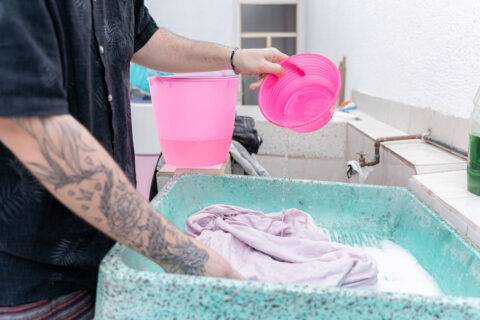
Hand washing remains a reliable method for cleaning delicate fabrics. Begin by filling a basin with lukewarm water and add a small amount of gentle detergent. Submerge your clothes and gently swirl them around. Avoid twisting or wringing to prevent stretching.
Rinse thoroughly until no soap remains, and press out excess water using a towel. Lay the garment flat to dry, keeping it away from direct sunlight to maintain color and texture. Do you have a favorite hand wash detergent that you’ve found works wonders?
Maintaining Clothes After Cleaning
Maintaining your clothes after cleaning is just as important as the cleaning process itself. How you dry and store your garments can make a big difference in how long they last and how fresh they look. Paying close attention to these details helps you protect your investment and keep your wardrobe looking its best.
Proper Drying Methods
Drying your clothes correctly prevents damage and preserves fabric quality. Avoid direct sunlight for delicate fabrics; it can cause fading and weaken fibers. Instead, dry items in a shaded area with good air circulation.
If you’ve dry cleaned a hand wash-only garment, don’t rush to use a dryer. Heat can shrink or distort the shape. Lay the item flat on a clean towel to air dry, reshaping it gently to maintain its original form.
Have you ever noticed a sweater that lost its shape after drying? That’s usually because it was hung while wet. Hanging heavy, wet clothes stretches the fabric. Using a flat drying method helps avoid this common issue.
Storage Tips To Preserve Fabric
Proper storage is key to keeping your clothes looking fresh after cleaning. Store garments in a cool, dry place away from direct light and moisture to prevent discoloration and mildew.
Use breathable garment bags for delicate pieces instead of plastic covers. Plastic traps moisture and can lead to mold. Cedar balls or lavender sachets are excellent natural options to keep pests away without harming fabric.
Do you rotate your clothes seasonally? This simple habit prevents fabric from becoming brittle due to prolonged storage. Folding knitwear and storing it flat avoids stretching and maintains shape better than hanging.

Credit: www.facebook.com
Frequently Asked Questions
Can Hand Wash Clothes Be Safely Dry Cleaned?
Yes, many hand wash clothes can be dry cleaned safely. Dry cleaning uses solvents, not water, reducing damage risk. Always check the garment’s care label before choosing dry cleaning.
Will Dry Cleaning Damage Hand Wash Only Fabrics?
Dry cleaning is gentle and usually won’t damage hand wash fabrics. However, delicate items might react differently. Consult a professional cleaner if unsure about your fabric type.
Why Choose Dry Cleaning Over Hand Washing Clothes?
Dry cleaning removes tough stains and odors without water. It’s ideal for delicate or structured garments that water might weaken or shrink. It also preserves fabric quality longer.
How To Tell If Hand Wash Clothes Need Dry Cleaning?
Check the care label for dry clean instructions. If stains persist after hand washing, dry cleaning is a better option. Also, delicate fabrics often benefit from professional cleaning.
Conclusion
Hand wash clothes can sometimes be dry cleaned, but it depends on fabric type. Always check care labels before deciding. Dry cleaning can protect delicate fabrics from damage. Some materials may shrink or lose shape if dry cleaned. Choose the cleaning method that suits your clothes best.
Proper care keeps your clothes looking fresh and lasting longer. When unsure, ask a professional cleaner for advice. Taking care of clothes helps save money and time. Simple steps make a big difference in garment care.