

Have you ever wondered if you can cook basmati rice perfectly in a rice cooker? You’re not alone.
Basmati rice is known for its delicate aroma and fluffy texture, but getting it just right can be tricky. What if there was an easy way to achieve that perfect, restaurant-quality basmati rice without standing over the stove? You’ll discover simple tips and tricks to make your basmati rice turn out fluffy, separate, and full of flavor—every single time—in your rice cooker.
Keep reading to unlock the secret to hassle-free, delicious basmati rice!
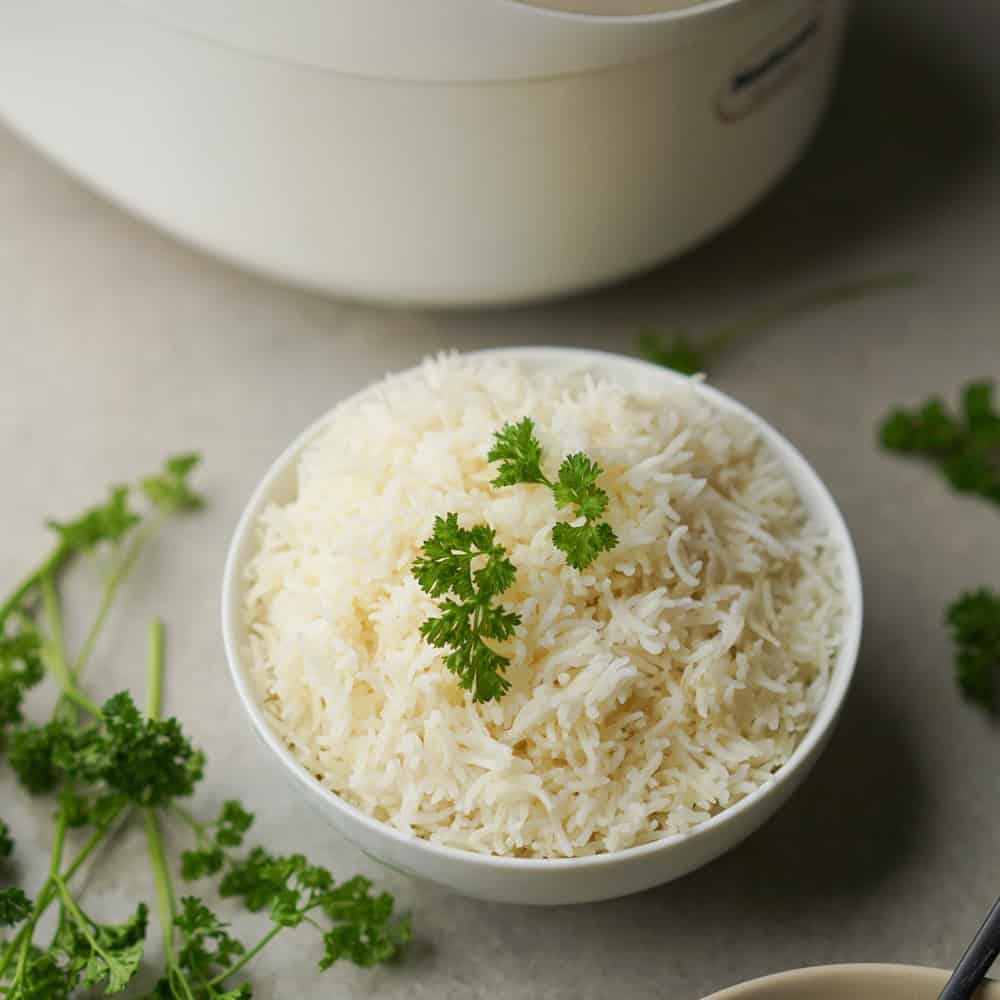
Credit: www.hungryhuy.com
Choosing The Right Basmati Rice
Choosing the right Basmati rice is key to cooking perfect rice in a rice cooker. The type and quality of rice affect taste, texture, and aroma. Picking the best rice ensures a fluffy, fragrant dish every time.
Types Of Basmati Rice
Basmati rice comes in different varieties. Each type has unique characteristics.
- Traditional Basmati:Long grains with a nutty aroma. Cooks light and fluffy.
- Brown Basmati:Whole grain with more fiber. Has a chewier texture and nuttier flavor.
- White Basmati:Polished grains, softer texture. Cooks faster than brown basmati.
- Organic Basmati:Grown without chemicals. Offers natural taste and aroma.
Quality Indicators
Good quality Basmati rice has distinct features. These help identify the best choice.
- Long, slender grains that stay separate after cooking.
- Strong, pleasant aroma before and after cooking.
- Uniform grain size and color without broken pieces.
- Clean grains without dust or impurities.
- Packaging with clear labels and origin information.

Credit: www.hungryhuy.com
Preparing Basmati Rice For Cooking
Preparing Basmati rice correctly before cooking is key to achieving fluffy, separate grains that enhance any meal. The right preparation helps remove excess starch and improves the texture, making your rice cooker results just as good as traditional stovetop methods. Let’s dive into practical tips that will make your Basmati rice shine.
Washing And Rinsing Tips
Start by placing your Basmati rice in a fine mesh strainer or a large bowl. Rinse it under cold running water, gently rubbing the grains with your fingers. This removes surface starch that can cause the rice to become sticky or clump together.
Repeat rinsing until the water runs clear, usually 3 to 4 times. This simple step often makes a noticeable difference in the final texture of your cooked rice. Have you ever skipped rinsing and ended up with a gluey mess? This is why it’s worth the extra minute.
Soaking For Better Texture
After washing, soak your Basmati rice in water for about 20 to 30 minutes. Soaking softens the grains and reduces cooking time, resulting in rice that is tender and fluffy.
If you’re short on time, even a 10-minute soak can help. Avoid soaking for too long, though, as it can cause the grains to break during cooking. Think about how soaking transforms dried beans—rice benefits from this simple soak in a similar way.
Using A Rice Cooker For Basmati Rice
Using a rice cooker for basmati rice can simplify your cooking process and deliver consistent results every time. It frees you from the need to constantly watch the pot and guess the perfect cooking time. If you’ve struggled with sticky or unevenly cooked basmati rice before, a rice cooker might be the easiest solution.
Water-to-rice Ratios
Getting the water-to-rice ratio right is key to fluffy, separate basmati grains. Unlike regular white rice, basmati needs slightly less water because of its long grains and lower starch content.
- Use about 1.5 cups of water for every 1 cup of basmati rice.
- If you prefer softer rice, add just a little more water—around 1.75 cups per cup of rice.
- Rinse the rice thoroughly before cooking to remove excess starch and prevent clumping.
Have you noticed how a small change in water can drastically affect your rice texture? Experimenting with these ratios can help you find the perfect balance for your taste.
Selecting The Cooking Mode
Rice cookers come with various settings, but not all are ideal for basmati rice. The “white rice” or “normal” mode usually works well.
- Avoid the “quick cook” mode, as it may not allow the rice to absorb water properly.
- If your cooker has a “brown rice” setting, it’s generally too long and can make basmati mushy.
- Some advanced rice cookers have a “basmati” or “aromatic rice” mode—use it if available for best results.
Choosing the right cooking mode can feel confusing, but it’s worth testing what your rice cooker offers. Have you tried different modes to see which gives you the fluffiest basmati rice?
Cooking Steps In A Rice Cooker
Cooking Basmati rice in a rice cooker is simple and convenient. It saves time and gives consistent results. Knowing the right steps helps you get fluffy, separate grains every time. Follow these easy instructions to cook Basmati rice perfectly using your rice cooker.
Setting Up The Cooker
Start by rinsing the Basmati rice under cold water. Rinse until the water runs clear to remove excess starch.
Measure the rice using the rice cooker cup. Add the rice to the inner pot of the cooker.
Add water to the pot. Use about 1.5 cups of water for 1 cup of rice for perfect texture.
Place the pot inside the rice cooker. Close the lid securely.
Plug in the rice cooker and select the ‘white rice’ or ‘normal’ cooking setting.
Monitoring The Cooking Process
Once the rice cooker starts, avoid opening the lid during cooking. Trapped steam cooks the rice evenly.
The cooker will switch to ‘keep warm’ mode after cooking finishes. Let the rice rest for 10 minutes.
Resting allows the grains to firm up and prevents sogginess.
Open the lid and fluff the rice gently with a fork or rice paddle. This separates grains and releases steam.
Serve immediately for the best texture and aroma.
Post-cooking Tips
After your basmati rice finishes cooking in the rice cooker, how you handle it can make a big difference in texture and taste. Paying attention to post-cooking steps ensures your rice remains fluffy and fresh, enhancing every meal. Let’s look at two key tips that can elevate your rice experience.
Fluffing The Rice
Right after the rice cooker switches to the “keep warm” mode, avoid opening the lid immediately. Let the rice sit for about 5 to 10 minutes; this resting time allows steam to evenly distribute and finish the cooking process gently.
Next, use a fork or a rice paddle to gently fluff the rice. This separates the grains and releases trapped steam, preventing clumps and sogginess. Have you noticed how some leftover rice turns sticky? This simple fluffing step can help prevent that.
Storing Leftovers
If you have leftover basmati rice, cool it quickly by spreading it on a clean tray or shallow dish. This helps avoid bacterial growth and keeps the texture intact when reheated.
Store the cooled rice in an airtight container and place it in the refrigerator. Use it within 2 to 3 days for the best flavor and safety. When reheating, sprinkle a little water over the rice and cover it to bring back moisture and softness.
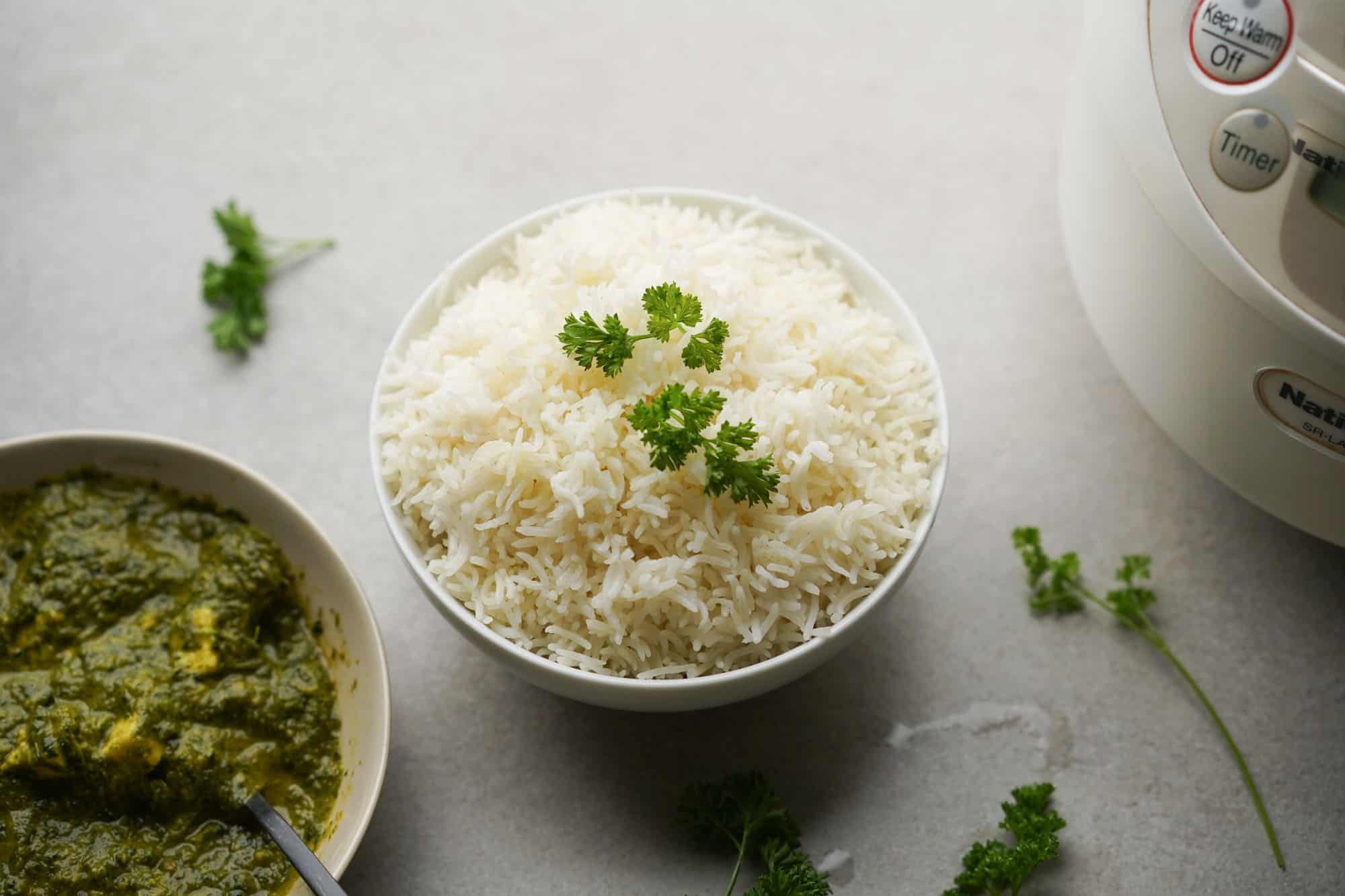
Credit: www.hungryhuy.com
Troubleshooting Common Issues
Cooking basmati rice in a rice cooker is simple, but sometimes problems arise. Common issues include rice being too sticky or undercooked. Understanding these problems helps achieve perfect rice every time. Below are tips to fix usual cooking mistakes and improve your results.
Rice Too Sticky Or Mushy
Sticky or mushy basmati rice often means too much water was used. Basmati needs less water than other types. Rinsing the rice well before cooking removes excess starch. This helps grains stay separate. Also, avoid opening the rice cooker lid during cooking. Let the rice rest for 10 minutes after cooking. This allows steam to finish cooking the grains and reduces stickiness.
Rice Undercooked Or Hard
Undercooked or hard rice means not enough water or cooking time. Add a little more water next time, about 1/4 cup extra. Check your rice cooker’s settings; some models have a “white rice” or “quick cook” mode. Try using the regular setting for basmati. Let the rice sit in the cooker after it switches off. The heat helps soften the rice further.
Enhancing Basmati Rice Flavor
Basmati rice has a unique aroma and delicate taste. Enhancing its flavor makes every meal special. Small changes in cooking can bring out its best qualities. Simple additions create a richer and more enjoyable dish.
Adding Spices And Herbs
Spices add warmth and depth to basmati rice. Common choices include cinnamon sticks, cardamom pods, and cloves. Adding a bay leaf gives a subtle earthiness. Fresh herbs like cilantro or mint brighten the flavor at the end. Toasting spices before cooking releases their aroma. Just a pinch can make a big difference.
Using Broth Instead Of Water
Cooking basmati rice in broth adds more taste than plain water. Vegetable, chicken, or beef broth all work well. Broth infuses the rice with savory notes and richness. It also enhances the natural nuttiness of the rice. Use low-sodium broth to control salt levels. This simple swap creates a more flavorful base for your meal.
Frequently Asked Questions
Can Basmati Rice Be Cooked Perfectly In A Rice Cooker?
Yes, basmati rice cooks perfectly in a rice cooker. Use the right water-to-rice ratio and rinse rice before cooking. This method ensures fluffy, separate grains ideal for many dishes.
How Much Water Is Needed For Basmati Rice In A Rice Cooker?
Typically, use 1. 5 cups of water for every 1 cup of basmati rice. Adjust slightly based on your rice cooker model and desired texture for best results.
Should Basmati Rice Be Rinsed Before Using A Rice Cooker?
Yes, rinsing basmati rice removes excess starch. This prevents clumping and makes the cooked rice fluffier and less sticky when using a rice cooker.
Can I Add Flavors To Basmati Rice In A Rice Cooker?
Absolutely, you can add spices, herbs, or broth to enhance flavor. Add them before cooking to infuse the basmati rice with delicious taste.
Conclusion
Basmati rice cooks well in a rice cooker. It needs the right water amount and cooking time. The rice cooker makes cooking easy and less messy. You get fluffy, tasty rice every time. Just rinse the rice before cooking for best results.
Use the correct settings if your cooker has options. This method saves time and effort in the kitchen. Enjoy your perfectly cooked basmati rice without any hassle. Simple, quick, and convenient. A great choice for anyone who loves rice.