

Blenders make your kitchen tasks faster and easier, but they can also be risky if you’re not careful. Have you ever worried about your blender overheating or accidentally cutting yourself on the blades?
These dangers are real, but the good news is you can avoid them with simple safety tips. You’ll discover easy ways to protect yourself and keep your blender running smoothly. Keep reading to learn how to blend safely every time.
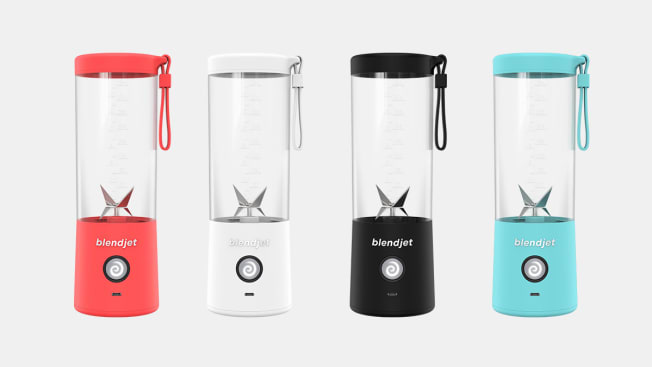
Credit: www.consumerreports.org
Common Blender Hazards
Blenders are common in kitchens but can pose safety risks. Understanding common hazards helps prevent accidents and injuries. Two main dangers to watch for are overheating and blade injuries. Knowing these risks improves safe blender use.
Overheating Risks
Blenders can overheat during long or heavy use. Overheating can damage the motor and cause electrical issues. It may also lead to unpleasant smells or smoke. Some signs of overheating include:
- Burning smell
- Unusual noise
- Motor stopping suddenly
To avoid overheating, allow the blender to rest between uses. Avoid blending very thick or hot ingredients continuously.
Blade Injury Dangers
Blender blades are sharp and can cause serious cuts. Injuries often happen during cleaning or assembly. Common causes of blade injuries include:
- Reaching inside the jar without unplugging
- Handling blades carelessly
- Not using proper tools for cleaning
Always unplug the blender before touching the blades. Use a brush or cloth to clean blades safely. Handle blades gently and store them away from children.

Credit: www.scribd.com
Preventing Overheating
Preventing overheating in your blender is key to keeping it safe and working well. Overheating can damage the motor and cause the blender to stop suddenly. It may also lead to a burning smell or even a fire hazard. Taking simple steps can help your blender last longer and avoid safety risks.
Avoid Overloading
Do not fill the blender jar beyond the recommended limit. Overloading makes the motor work too hard. This extra strain causes the motor to heat up quickly. Cut large pieces into smaller chunks before blending. This reduces the load on the blades and motor. Use the right amount of food or liquid to keep the blender running smoothly.
Use Pulse Mode
Pulse mode blends in short bursts instead of running continuously. This prevents the motor from overheating. It also helps control the texture of your blend better. Use pulse mode for tough ingredients or thick mixtures. Give the motor a break between pulses to cool down.
Allow Cooling Time
After blending for a while, switch off the blender and wait. Let the motor cool down before starting again. This pause stops the motor from overheating. It also protects the internal parts from damage. Follow the manufacturer’s instructions on how long to wait. Regular cooling breaks keep your blender safe and efficient.
Protecting Against Blade Harm
Blender blades are sharp and powerful, designed to handle tough ingredients with ease. But this power can cause serious injuries if you’re not careful. Protecting your hands and fingers from blade harm is essential to keep your kitchen safe and your cooking experience enjoyable.
Safe Handling Practices
Always hold the blender jar firmly when attaching or removing the blade assembly. Never touch the blades directly with your bare hands—use a cloth or gloves if you need to handle them. Keep your fingers clear of the blade area, especially when the blender is plugged in or running.
Think about how often you rush while cleaning or assembling the blender. Has that ever led to a small cut? Slowing down and focusing on your movements can prevent accidents.
Proper Cleaning Techniques
Blades can be dangerous even when the blender is off. Use a brush or sponge with a handle to clean around the blades instead of your fingers. If possible, detach the blades from the jar for safer and more thorough cleaning.
Never immerse the blade base in water if it contains electrical parts. Instead, wipe it carefully with a damp cloth. This reduces the risk of damage and accidental cuts during cleaning.
Using Blade Guards
Blade guards are simple but effective tools that cover the blades when the blender is not in use. They prevent accidental contact and protect the blades from damage. If your blender didn’t come with one, consider buying a universal blade guard for extra safety.
Have you ever reached for your blender quickly and almost touched the blades? A blade guard can give you peace of mind and prevent those close calls. It’s a small investment that makes a big difference in kitchen safety.
Maintenance Tips For Safety
Keeping your blender in top shape is essential not just for its performance but also for your safety. Proper maintenance helps avoid overheating and blade injuries, which are common issues with frequent use. Let’s look at some practical tips to keep your blender running smoothly and safely.
Regular Inspection
Check your blender regularly for any signs of wear or damage. Look closely at the power cord for frays or cuts, and ensure the buttons and lid lock work properly.
Have you ever noticed a strange smell or unusual noise during blending? These can be early signs of a problem. Catching these issues early can prevent accidents and costly repairs.
Blade Sharpening And Replacement
Dull blades don’t just reduce your blender’s efficiency—they increase the risk of injury because you might apply extra force or take apart the unit incorrectly.
Sharpen blades carefully using a blade sharpener or replace them according to the manufacturer’s instructions. If you feel resistance when blending, it’s time to check the blades.
Motor Care
Overheating motors are a safety hazard and can shorten your blender’s life. Avoid running the blender for longer than recommended and give it breaks during heavy use.
Clean the motor base gently and keep vents free from dust to ensure proper airflow. Ask yourself: Are you giving your blender enough downtime to cool off?
Choosing A Safe Blender
Choosing a safe blender is essential to protect yourself from accidents and damage. A well-designed blender reduces risks like overheating and blade injuries. Selecting the right model helps ensure safe and smooth operation every time.
Safety Features To Look For
- Automatic shut-off to prevent overheating
- Locking lid to avoid splashes and blade exposure
- Non-slip base for stable blending
- Blade guards or covers for safe cleaning
- Overload protection to stop motor damage
These safety features minimize hazards and keep you safe during use. Always check the manual to understand all safety functions.
Power And Speed Controls
Choose a blender with adjustable power and speed settings. This control allows blending at a safe pace and prevents motor strain.
- Variable speed control for different textures
- Pulse function for short bursts of power
- Low-speed setting to avoid splashing
- High-speed option for tougher ingredients
Proper speed control helps avoid overheating and reduces the chance of blade injuries. It also improves blending results.
Emergency Measures
Emergency measures are crucial for safe blender use. Knowing how to act during overheating or blade injuries prevents harm and damage. Quick response reduces risks and helps maintain safety in the kitchen.
What To Do If Overheating Occurs
Unplug the blender immediately. Let it cool down for at least 15 minutes. Avoid touching the motor base while hot. Check for any blockages in the blades or jar. Clean debris carefully before restarting. Never force the blender to work if hot. Regular breaks during long blending sessions help prevent overheating.
Responding To Blade Injuries
Stop blending and turn off the power. Rinse the wound with clean water. Apply pressure with a clean cloth to stop bleeding. Use a bandage or sterile dressing to cover the cut. Avoid using the blender until the injury heals. Seek medical help for deep cuts or heavy bleeding. Keep blender blades out of reach of children to prevent accidents.

Credit: www.sokany.com
Frequently Asked Questions
How To Prevent Blender Overheating During Use?
To prevent overheating, run your blender in short intervals. Allow it to cool down between uses. Avoid overloading with heavy ingredients. Check for proper ventilation and clean motor vents regularly.
What Safety Measures Avoid Blade Injuries In Blenders?
Always unplug the blender before cleaning or touching blades. Use a tamper or spatula, not fingers, to push ingredients. Handle blades carefully during assembly and disassembly. Keep the lid securely closed while blending.
Can Overloading A Blender Cause Damage Or Hazards?
Yes, overloading strains the motor and can cause overheating. It may also lead to uneven blending and blade damage. Follow the manufacturer’s recommended capacity limits for safe use and optimal performance.
How Often Should Blender Blades Be Checked Or Replaced?
Inspect blades regularly for dullness, cracks, or damage. Replace blades if they appear worn or ineffective. Sharp blades ensure efficient blending and reduce motor strain, enhancing safety and performance.
Conclusion
Blender safety matters for every kitchen user. Avoid running your blender too long. Give it breaks to stop overheating. Always keep your hands away from blades. Use the lid to protect your fingers. Clean the blender carefully after each use.
Follow these simple tips to stay safe. Enjoy your blending without worry or risk. Safety first makes cooking fun and easy.