
Have you ever struggled with a soap dispenser pump that just won’t open? It can be frustrating when you need to refill it quickly, but the pump feels stuck or tricky to twist off.
Knowing the right way to open your soap dispenser pump saves you time and avoids spills or damage. In this guide, you’ll learn simple, effective steps to open any soap dispenser pump with ease. Keep reading—your next refill will be hassle-free!
Tools Needed
Opening a soap dispenser pump requires a few simple tools. These tools help you remove the pump without damage. Having the right tools makes the task quick and easy. You do not need many items to get started. Most tools are common household items.
Gathering these tools first saves time and avoids frustration. Each tool has a specific purpose in the process. Prepare the tools before you begin to open the dispenser pump.
Basic Tools
- Screwdriver: A flathead or Phillips screwdriver helps remove screws or pry parts gently.
- Pliers: Useful for gripping and twisting the pump parts if they are tight.
- Rubber Gloves: Protect your hands from soap and provide better grip.
Additional Helpful Items
- Warm Water: Softens any dried soap residue that might block the pump.
- Cloth or Paper Towels: Clean spills and keep your workspace tidy.
- Small Container: Hold removed parts safely to avoid losing them.
Tools To Avoid
- Sharp Knives: Can damage the pump or cause injury.
- Heavy Tools: Like hammers, which can break the dispenser.
- Harsh Chemicals: May harm the pump material or your skin.
Credit: beautypluspacking.com
Types Of Soap Dispenser Pumps
Soap dispenser pumps come in different types, each designed to deliver soap in unique ways. Understanding these types helps you open them easily for refills or cleaning. The two common types are manual and automatic pumps. Both work differently but serve the same purpose: to dispense soap smoothly.
Manual Pumps
Manual soap dispenser pumps need physical pressure to work. Pressing the pump head pushes soap out through the nozzle. These pumps usually have a twist-off top or a snap-on lid to open. The mechanism inside includes a spring and a tube that pulls soap up.
Manual pumps are simple and easy to open. Twist or pull the pump head to access the soap reservoir. They work without batteries or electricity. This makes them reliable and low-cost.
Automatic Pumps
Automatic soap dispensers use sensors to detect hands. They release soap without touching the pump. These pumps run on batteries or electricity. Opening them requires locating a hidden latch or button.
Some automatic pumps have a detachable cover for refilling. Others open by sliding or pressing a release. Care is needed to avoid damaging the sensor or electronics inside. Automatic pumps offer convenience and hygiene by reducing contact.
Preparing The Dispenser
Before you try to open your soap dispenser pump, it’s important to prepare the dispenser properly. Preparation helps you avoid damage and makes the process smoother. Taking a few moments to clean and check the dispenser can save you time and frustration.
Cleaning The Exterior
Start by wiping down the outside of the dispenser with a damp cloth. Dirt and soap residue can make the pump slippery and hard to grip. If you notice stubborn grime, use a mild soap solution to clean it thoroughly.
Removing buildup from the exterior also helps you spot any cracks or damage that might affect how the dispenser opens. Have you ever struggled to twist off a pump only to find it was stuck because of dried soap? A simple cleaning can prevent that hassle.
Checking For Blockages
Next, examine the pump nozzle and the area where the dispenser sprays soap. Clogs from hardened soap or debris can make it tough to open or cause the pump to malfunction. Use a toothpick or a small brush to clear out any visible blockages gently.
Sometimes, the problem isn’t the pump mechanism but a blockage that increases pressure inside the bottle. Have you noticed soap squirting out unevenly or not at all? Clearing blockages first often resolves these issues and makes opening the dispenser easier.

Credit: www.amazon.ca
Step-by-step Opening Process
Opening a soap dispenser pump is simple with the right steps. This process helps refill or clean the dispenser without damage. Follow these clear instructions to open your soap dispenser pump safely.
Unlocking The Pump Head
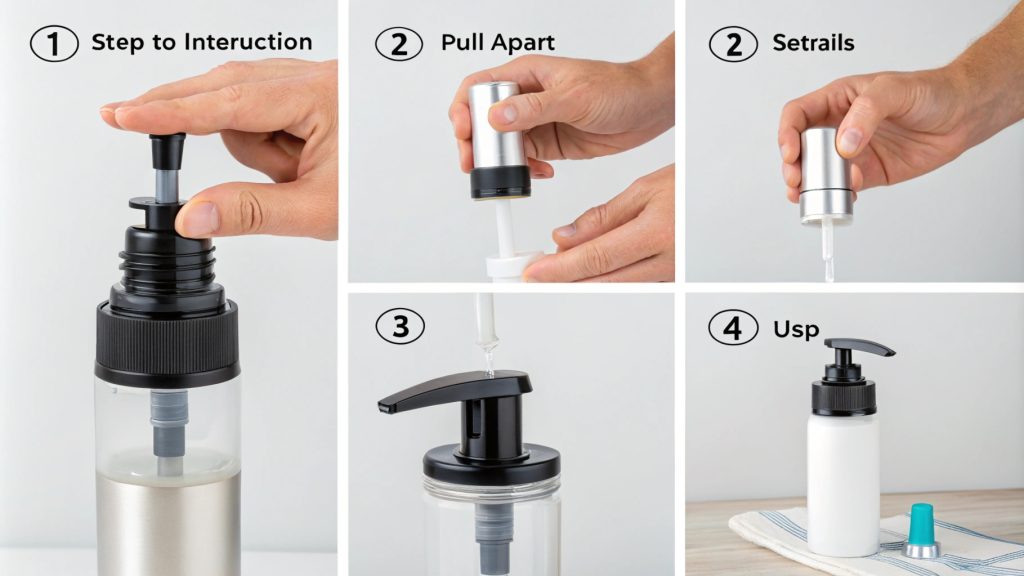
Start by checking the pump head for a locking mechanism. Many pumps twist and lock to avoid spills. Hold the base firmly and turn the pump head counterclockwise. If it resists, do not force it. Try a gentle wiggle while turning. Once unlocked, the pump head will move freely.
Removing The Pump Top
After unlocking, lift the pump top straight up. Some pumps need a slight pull with steady force. Avoid twisting at this stage to prevent damage. If the top feels stuck, check for clips or tabs holding it. Release these gently to remove the pump top cleanly.
Accessing The Soap Reservoir
With the pump top removed, the soap reservoir is visible and accessible. Wipe the edges to keep it clean. Use a funnel or pour carefully to refill soap. After refilling, place the pump top back securely. Twist the pump head clockwise to lock it again. The dispenser is ready to use.
Troubleshooting Common Issues
Soap dispenser pumps are incredibly convenient, but they can sometimes act up, leaving you frustrated and in need of a quick fix. Whether your pump is stuck or certain parts seem broken, troubleshooting these common issues is easier than you might think. Let’s dive into some practical solutions that can help you get your soap dispenser back in working order.
Stuck Pump Mechanism
A stuck pump mechanism is a common issue that can often be resolved with a little bit of patience and elbow grease. Before you consider replacing the pump, try the following:
- Warm Water Rinse:Run warm water over the pump nozzle to loosen any hardened soap residue that might be causing the blockage. A simple rinse can often do wonders.
- Check for Clogs:Take apart the pump, if possible, and check for any blockages in the tube or nozzle. A thin wire or toothpick can help clear stubborn clogs.
- Lubrication:If the pump is stiff, applying a small amount of food-grade oil can ease the mechanism. Just ensure it’s safe for materials that come into contact with soap.
Have you ever noticed that some pumps just need a little extra push to start working again? This simple act can sometimes make a big difference.
Broken Or Damaged Parts
Broken or damaged parts are not uncommon, especially with frequent use. Identifying the issue is the first step to finding a solution. Here’s how you can tackle this:
- Inspect for Cracks:Carefully examine the pump and bottle for any visible cracks or breaks. These can lead to leaks or ineffective pumping.
- Replacement Parts:Consider purchasing replacement parts from the manufacturer if available. This is often cheaper than buying a new dispenser.
- DIY Fixes:A small crack can sometimes be patched up with waterproof adhesive, providing a temporary fix until you get a new part.
Have you considered that sometimes a minor tweak can save you from buying an entirely new dispenser? It’s worth taking a closer look before you decide to toss it.
Understanding these common issues empowers you to keep your soap dispenser running smoothly. Have you ever fixed a stuck pump or replaced a broken part yourself? Share your experience in the comments below and let others learn from your insights!
Maintenance Tips
Maintaining your soap dispenser pump keeps it working smoothly and extends its life. Simple care steps prevent clogs and leaks. Regular upkeep ensures you always have soap ready without hassle.
Regular Cleaning
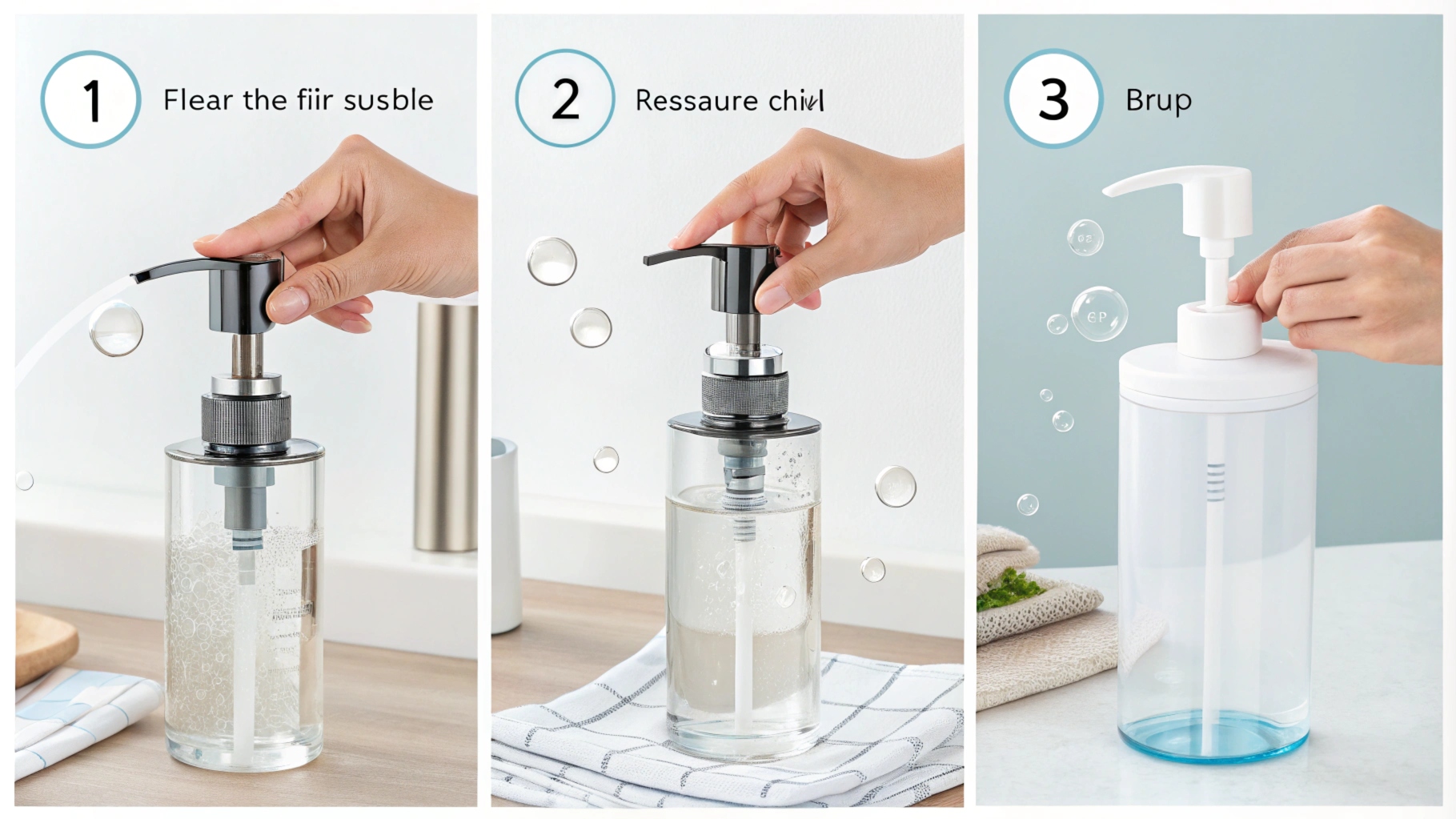
Clean the pump often to stop soap build-up. Rinse the pump with warm water after use. Soak it in vinegar to clear stubborn residue. Wipe the nozzle with a soft cloth to avoid blockages. Dry the parts before reassembling to prevent mold growth.
Proper Refilling Techniques
Refill the dispenser carefully to avoid spills. Use a funnel or a narrow spout for precision. Fill the container slowly and do not overfill. Check for cracks or damage before refilling. Secure the pump tightly after filling to prevent leaks.

Credit: www.amazon.com
Frequently Asked Questions
How Do I Open A Soap Dispenser Pump Safely?
Twist the pump head counterclockwise gently. Avoid using excessive force to prevent damage. If stuck, soak the neck in warm water for a few minutes to loosen it.
What Tools Are Needed To Open A Soap Dispenser Pump?
Most soap dispensers open without tools by twisting the pump. For stubborn pumps, a rubber grip or pliers with a cloth can help avoid scratches or damage.
Can I Clean The Soap Dispenser Pump After Opening?
Yes, after opening, rinse the pump with warm water. Remove soap residue and debris to ensure smooth operation and prevent clogging.
How To Fix A Jammed Soap Dispenser Pump?
Soak the pump in warm water to dissolve dried soap. Pump several times while submerged to clear clogs. If it remains stuck, consider replacing the pump.
Conclusion
Opening a soap dispenser pump is simple with the right steps. Start by twisting or pulling the pump gently. Clean the pump if it feels stuck. Be patient and careful to avoid breaking it. Now, you can refill or fix your dispenser easily.
This small skill saves time and frustration. Keep your soap dispenser working well every day. Try these tips next time your pump won’t open. Easy and quick.