

Have you ever wondered how long chicken can safely sit out before it becomes dangerous to eat? Whether you’re cooking for your family, hosting a barbecue, or just handling leftovers, knowing the right time limit can protect you from food poisoning.
You might think a little extra time on the counter is harmless, but bacteria can grow faster than you expect. Keep reading to discover the safe window for chicken outside the fridge and learn simple tips to keep your meals fresh and safe every time.
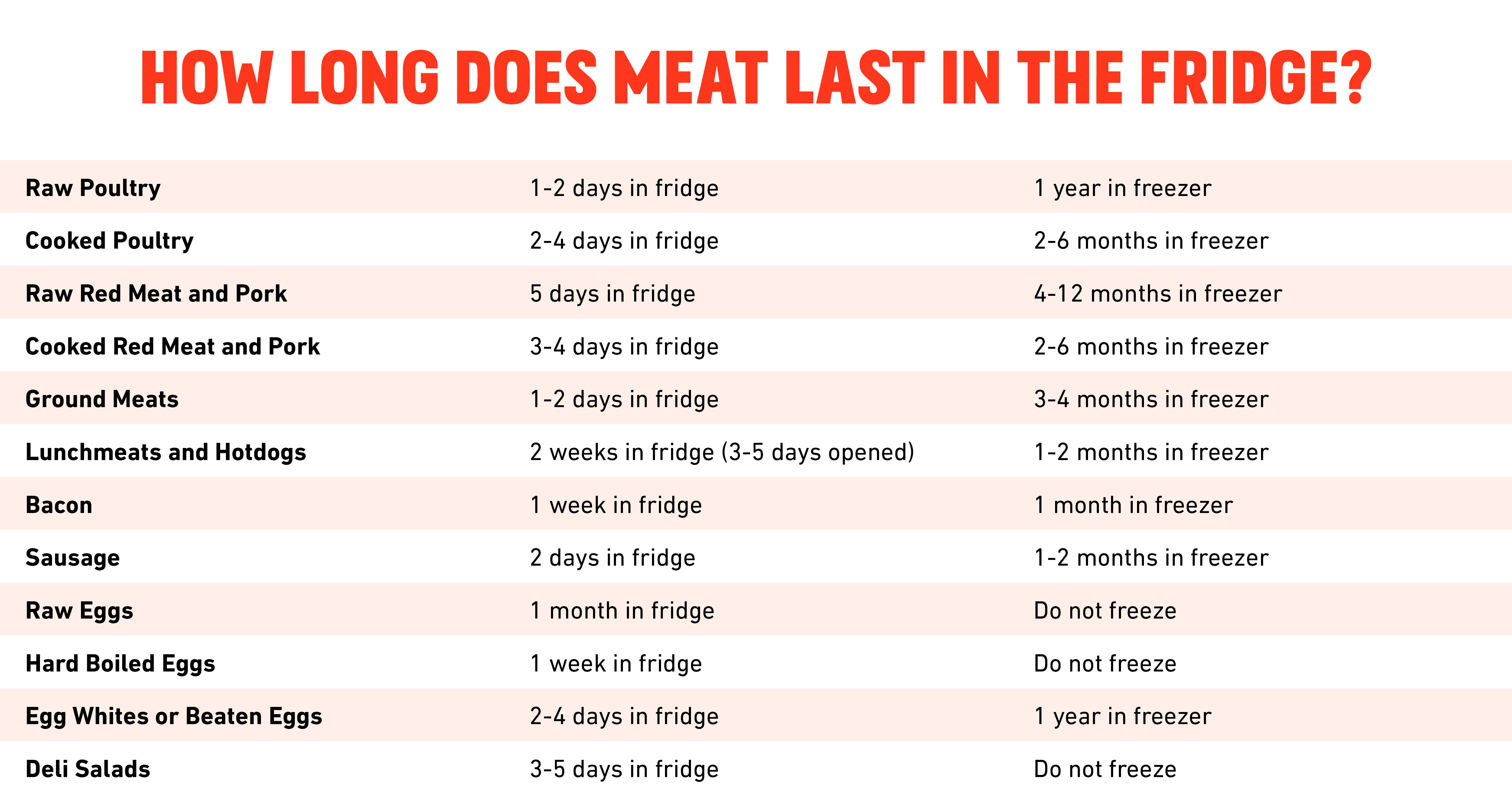
Credit: www.tasteofhome.com
Safe Time Limits For Chicken
Knowing the safe time limits for chicken left out of the fridge can protect you from foodborne illnesses. Chicken, whether raw or cooked, can quickly become unsafe if left at room temperature for too long. Understanding these limits helps you make smarter choices in the kitchen and avoid wasting food or risking your health.
Raw Chicken Duration
Raw chicken should never be left out at room temperature for more than 2 hours. If the surrounding temperature is above 90°F (32°C), this time shrinks to just 1 hour. Bacteria multiply rapidly on raw chicken, increasing the risk of food poisoning.
I once left raw chicken on the counter during a busy meal prep, thinking it was fine for a few hours. Later, I learned that bacteria had likely grown to unsafe levels. Since then, I always refrigerate raw chicken immediately or freeze it if I’m not cooking it right away.
Cooked Chicken Duration
Cooked chicken also has a limited safe window outside the fridge—generally up to 2 hours at room temperature. Beyond that, harmful bacteria can develop, even though the chicken has been cooked. If the room is warm or you’re outdoors, aim to refrigerate cooked chicken within 1 hour.
Leftover chicken should be cooled quickly and stored in the fridge to keep it safe. You can keep it longer in the fridge—up to 3-4 days—but leaving it out too long risks sickness and waste.
Room Temperature Effects
Room temperature greatly affects how quickly chicken spoils. The “danger zone” for bacterial growth is between 40°F and 140°F (4°C to 60°C). In this range, bacteria double every 20 minutes, turning safe chicken into a health hazard fast.
Think about your kitchen environment. Is it cool and dry, or warm and humid? Both heat and moisture speed up bacterial growth, so even an hour outside the fridge can be risky under the wrong conditions.
Next time you wonder how long your chicken has been sitting out, ask yourself: Could it have been in the danger zone too long? If yes, it’s safer to discard it than risk an upset stomach.

Credit: www.facebook.com
Risks Of Leaving Chicken Out
Leaving chicken out of the fridge might seem harmless, especially if it’s just for a short while. But the risks are real and can escalate quickly. Knowing what happens when chicken sits at room temperature can help you avoid serious health problems.
Bacterial Growth
Chicken is a prime spot for bacteria to multiply fast. At room temperature, bacteria like Salmonella and Campylobacter can double every 20 minutes. This rapid growth means chicken left out for just a couple of hours can become unsafe to eat.
Have you ever noticed a strange smell or slimy texture on chicken after leaving it out? That’s bacteria at work. It’s a clear warning sign that your food might be contaminated.
Food Poisoning Symptoms
Eating chicken that’s been left out too long can cause food poisoning. Symptoms usually start within hours and can include stomach cramps, nausea, vomiting, and diarrhea. In severe cases, it can lead to dehydration or even require hospitalization.
Think about whether a quick snack is worth the risk of feeling sick for days. Your body’s reaction to contaminated chicken isn’t just uncomfortable—it’s a serious health warning.
Common Contaminants
Several bacteria commonly contaminate chicken left unrefrigerated. Salmonella and Campylobacter are the usual culprits, but Staphylococcus aureus can also grow and produce toxins that won’t go away even if you cook the chicken later.
These bacteria don’t just pose a risk to you—they can spread to other foods and surfaces in your kitchen. That’s why quick refrigeration and safe handling are essential to keep your entire home safe.
Temperature Guidelines
Temperature plays a key role in keeping chicken safe to eat. Knowing the right temperatures helps prevent harmful bacteria growth. This section explains the important temperature ranges for chicken storage and safety.
Danger Zone Range
The danger zone is the temperature range where bacteria grow fast. For chicken, this range is between 40°F and 140°F (4°C and 60°C). Leaving chicken out in this zone for more than two hours can cause bacteria to multiply. This makes the chicken unsafe to eat and can lead to food poisoning.
Optimal Storage Temperatures
Keeping chicken at the right temperature stops bacteria from growing. The best temperature to store chicken is below 40°F (4°C). Refrigerators should be set to 35°F to 38°F (1.5°C to 3°C) for safe storage. For longer storage, freezing chicken at 0°F (-18°C) or below is ideal. These temperatures keep chicken fresh and safe for days or months.
Tips To Keep Chicken Safe
Keeping chicken safe is crucial to avoid foodborne illnesses. Chicken is highly perishable, so handling and storing it correctly can make a big difference. Here are practical tips to help you maintain its freshness and safety, whether at home or on the go.
Prompt Refrigeration
Chicken should never be left out at room temperature for more than two hours. If the room temperature is above 90°F (32°C), reduce this time to just one hour. Putting chicken in the fridge right after buying or cooking slows down bacteria growth significantly.
I once left chicken out for three hours during a barbecue, thinking it was fine. Later, a family member got sick, reminding me how quickly bacteria can multiply. Don’t let this happen to you—cool your chicken as soon as possible.
Using Coolers And Ice Packs
If you’re transporting chicken or keeping it outside the fridge temporarily, coolers and ice packs are lifesavers. They maintain a safe temperature below 40°F (4°C), preventing harmful bacteria from growing. Always check that your cooler stays cold enough, especially on hot days.
- Pack ice packs around the chicken, not just underneath.
- Use a thermometer to monitor the cooler’s temperature.
- Replace melted ice immediately to keep things chilled.
Proper Packaging
Proper packaging protects chicken from contamination and helps keep it fresh longer. Use airtight containers or sealed plastic bags to reduce exposure to air and bacteria. Wrapping chicken tightly also prevents juices from leaking, which can spread germs to other foods.
Consider double-bagging raw chicken if you’re placing it in a cooler or fridge. This extra step can prevent cross-contamination, especially if you’re storing different types of food together. How often do you check your packaging before storing your chicken?
Reheating And Storage Advice
Proper reheating and storage keep cooked chicken safe and tasty. Handling leftovers the right way stops bacteria growth and food poisoning risks. Follow clear rules for reheating and storing chicken to enjoy your meal safely.
Safe Reheating Practices
Heat chicken until it is steaming hot all through. The internal temperature should reach 165°F (74°C). Avoid reheating chicken more than once. Use a microwave, oven, or stovetop for best results.
- Microwave on high, cover to keep moisture.
- Oven at 350°F (175°C) for even heating.
- Stovetop with a little water or broth to prevent drying.
Check temperature with a food thermometer if possible. Do not reheat chicken that smells or looks bad. Always discard leftovers left out over two hours.
Storage Duration After Cooking
Store cooked chicken in airtight containers. Keep in the fridge at 40°F (4°C) or below. Use leftovers within 3 to 4 days. For longer storage, freeze chicken at 0°F (-18°C) or lower.
- Label containers with date to track freshness.
- Thaw frozen chicken safely in the fridge or microwave.
- Do not leave cooked chicken out longer than 2 hours.
Follow these rules to enjoy chicken safely and reduce waste.

Credit: in.pinterest.com
When To Discard Chicken
Knowing when to discard chicken is crucial for your health and safety. Leaving chicken out too long allows bacteria to multiply quickly, increasing the risk of food poisoning. Recognizing the right moment to throw it away can save you from unpleasant and dangerous consequences.
Signs Of Spoilage
Look closely at your chicken before deciding to keep or toss it. Spoiled chicken often has a sour or ammonia-like smell that hits you immediately.
The texture also changes—slimy or sticky surfaces mean bacteria have taken hold. Discoloration, such as gray or greenish hues, is another red flag.
Have you ever noticed your chicken feeling unusually soft or mushy? That’s a clear signal it’s time to discard it.
Avoiding Food Waste
Throwing out chicken can feel wasteful, but safety must come first. You can reduce waste by planning meals and storing chicken properly right after buying.
Freeze chicken if you won’t use it within two days. This simple step extends its shelf life and prevents spoilage.
Another tip: cook chicken thoroughly and refrigerate leftovers promptly. This way, you enjoy your meal safely without unnecessary waste.
Frequently Asked Questions
How Long Can Raw Chicken Stay Out Safely?
Raw chicken should not stay out more than 2 hours. Bacteria grow rapidly between 40°F and 140°F. If room temperature is above 90°F, reduce time to 1 hour. Always refrigerate or freeze raw chicken promptly to avoid foodborne illness.
Can Cooked Chicken Sit Out Overnight?
Cooked chicken should not be left out overnight. Bacteria multiply quickly at room temperature. It is safe to eat cooked chicken left out for less than 2 hours. Discard if left out longer to prevent food poisoning risks.
What Happens If Chicken Stays Out Too Long?
If chicken stays out too long, harmful bacteria multiply. This can cause food poisoning symptoms like nausea and vomiting. Always refrigerate chicken within 2 hours to keep it safe. Avoid consuming chicken that smells or looks strange.
Is It Safe To Eat Chicken Left Out 3 Hours?
Chicken left out for 3 hours at room temperature is unsafe. Bacteria grow rapidly after 2 hours, increasing illness risk. Discard chicken left out over 2 hours to protect your health. Always store chicken promptly in the fridge.
Conclusion
Chicken should never stay out of the fridge for more than two hours. Bacteria grow fast at room temperature. Eating chicken left out too long can cause food poisoning. Always store chicken in the fridge or freezer quickly. When cooking, handle chicken with clean hands and surfaces.
Keeping chicken cold keeps it safe and fresh. Remember, safety matters more than convenience. Don’t risk your health by ignoring these simple rules. Stay safe, enjoy your meals!