

Your Dutch oven cast iron is a kitchen treasure, but cleaning it the right way can feel tricky. If you’ve ever wondered how to keep your cast iron Dutch oven spotless without ruining its seasoning, you’re not alone.
The good news? With the right steps, you can make cleaning simple and protect your cookware for years to come. Keep reading, and you’ll learn easy, effective methods to clean your Dutch oven like a pro—no harsh scrubbing or complicated tools needed.
Your next meal will taste even better when your cast iron is perfectly cared for.
Choosing The Right Cleaning Tools
Choosing the right cleaning tools for your Dutch oven cast iron can make a huge difference in maintaining its seasoning and longevity. The wrong tools can scratch or strip the surface, turning your favorite cookware into a rust magnet. It’s not just about cleaning; it’s about preserving the performance and beauty of your cast iron.
Essential Brushes And Scrubbers
Using the right brushes and scrubbers helps you remove stuck-on food without damaging the seasoning layer. A stiff nylon brush or a natural bristle brush works well for everyday cleaning. These brushes are tough enough to clean but gentle enough to protect the pan’s surface.
For tougher residue, a chainmail scrubber designed specifically for cast iron can be a game-changer. It scrubs off grime without scraping away the seasoning. Avoid steel wool or metal scouring pads unless you plan to reseason immediately after—they can be too harsh.
Avoiding Harsh Chemicals
You might be tempted to reach for strong dish soaps or chemical cleaners when your Dutch oven looks grimy. Resist that urge. Harsh chemicals can strip away the seasoning and leave behind residues that affect your food’s taste.
Instead, stick to mild dish soap sparingly or just use hot water and a scrubber. If you need extra help, coarse salt acts like a natural abrasive and is safe for your cast iron. Ask yourself: Is the cleaning method tough on your cookware or just tough on dirt?
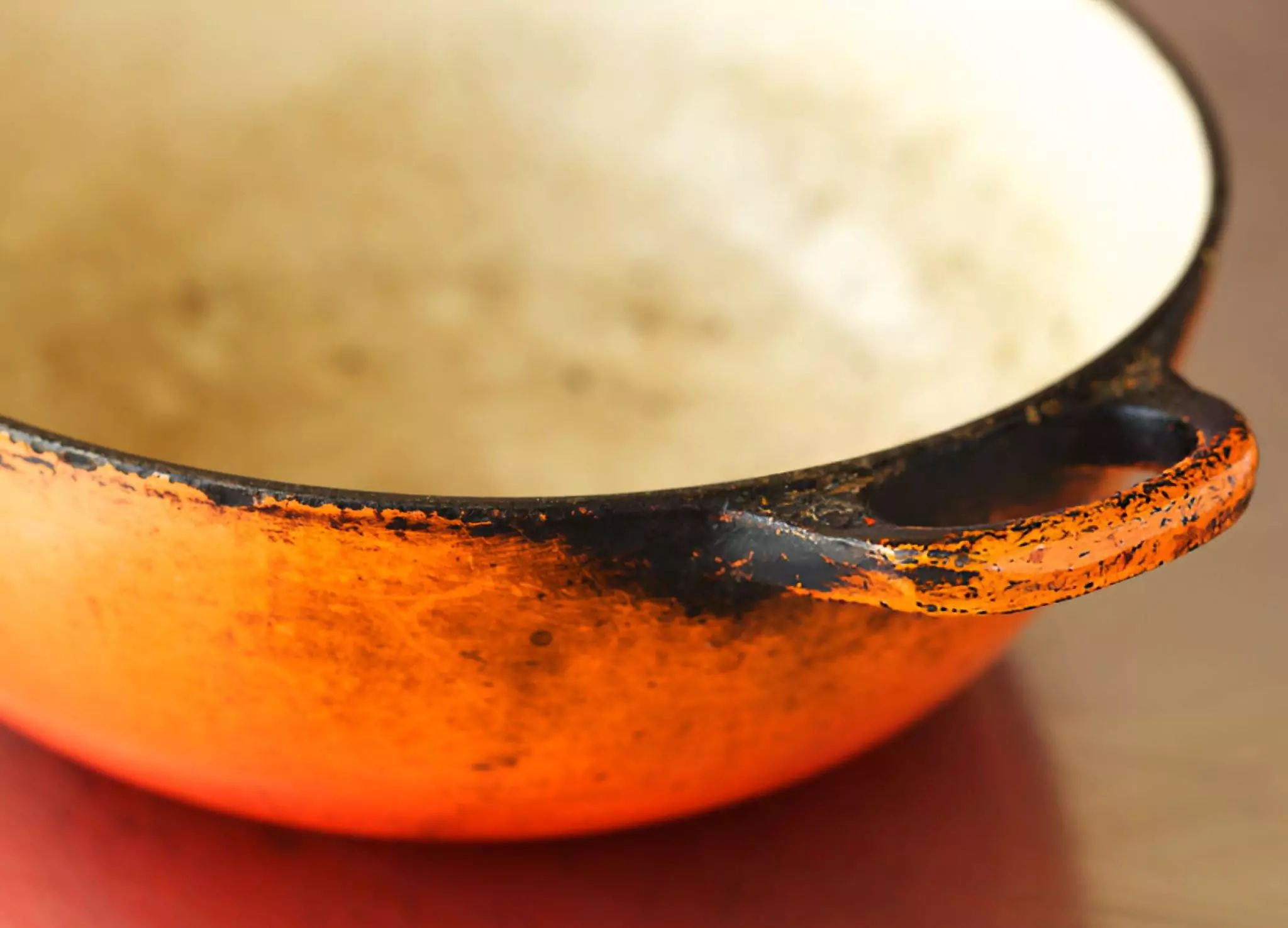
Credit: cleanzen.com
Basic Cleaning Steps
Cleaning your Dutch oven cast iron correctly is key to keeping it in great shape for years. Basic cleaning steps help remove stuck-on food without damaging the seasoning. Let’s break down how to handle this with simple actions that anyone can follow.
Removing Food Residue
After cooking, your Dutch oven might have bits of food stuck on its surface. Use a plastic or wooden scraper to gently lift off residue—avoid metal tools that can scratch the seasoning. If residue is stubborn, fill the pot with warm water and let it sit for 15-20 minutes to soften the stuck food.
Have you ever tried scrubbing immediately after cooking? It can sometimes make the food harder to remove. Letting it soak first often saves you effort and preserves the cookware’s finish.
Washing With Warm Water
Once the residue is loosened, rinse your Dutch oven with warm water. Use a soft sponge or brush to clean the interior; harsh soaps or dishwashers can strip the seasoning. If you need a deeper clean, mild soap is okay, but use it sparingly.
Dry your Dutch oven thoroughly after washing to prevent rust. You can even place it on low heat for a few minutes to evaporate any remaining moisture. Have you noticed how a well-maintained Dutch oven improves your cooking experience?
Dealing With Stubborn Stains
Stubborn stains on a Dutch oven cast iron can be tough to remove. These marks often come from burnt food or oil residues. Cleaning them takes gentle yet effective techniques. Using natural ingredients helps protect the cast iron’s surface. Here are two easy ways to tackle those tough stains without harming your pot.
Using Baking Soda And Salt
Baking soda and salt make a great scrubbing mix. They are gentle abrasives that help lift stains safely. Sprinkle a layer of baking soda on the stained area. Add a small amount of coarse salt on top. Use a damp cloth or sponge to scrub the mixture in circular motions.
- Focus on stained spots but avoid harsh scrubbing.
- Let the mixture sit for 15 minutes to break down grime.
- Rinse with warm water and dry thoroughly.
This method removes stains without stripping the seasoning layer. Repeat if needed but avoid over-scrubbing.
Boiling Water Method
Boiling water loosens stuck-on food and stains. Fill the Dutch oven with water to cover the stained area. Place it on the stove and bring the water to a boil. Let it simmer for 10-15 minutes. Use a wooden spoon or spatula to gently scrape off loosened bits.
- Turn off heat and carefully pour out the water.
- Wash with warm water and mild soap if needed.
- Dry the Dutch oven completely to prevent rust.
This simple method softens tough stains without harsh chemicals. It is safe for the cast iron and keeps your Dutch oven in great shape.

Credit: dwellingonthepast.ca
Drying And Preventing Rust
Drying your Dutch oven cast iron correctly is key to stopping rust from forming. Cast iron holds moisture, which causes rust fast. Taking time to dry it well keeps your cookware safe and ready for use.
Proper drying also helps keep the seasoning layer strong. This layer protects the iron and improves cooking performance. Without proper care, seasoning can break down, leaving iron exposed.
Proper Drying Techniques
After washing, wipe the Dutch oven with a clean cloth or paper towel. Make sure to remove all water from inside and outside.
Place the Dutch oven on low heat on the stove or in the oven. Heat for about 5 to 10 minutes to dry any remaining moisture. The heat helps evaporate water from hard-to-reach areas.
Let the Dutch oven cool down completely before storing. Avoid putting the lid on while still warm. Trapped steam can cause rust inside.
Applying Oil For Protection
Once dry, apply a thin layer of cooking oil to the entire surface. Use oils like vegetable, canola, or flaxseed oil.
Use a paper towel to spread the oil evenly. Wipe off extra oil to prevent sticky residue.
Oiling creates a barrier against moisture and air. This helps keep rust away and maintains the seasoning.
Repeat oiling after every cleaning to keep your Dutch oven in top shape.
Re-seasoning Your Dutch Oven
Re-seasoning your Dutch oven is essential to keep its surface smooth and non-stick. Over time, the protective layer wears off from cooking and cleaning. This can cause food to stick and rust to form. Regular re-seasoning restores the cast iron’s natural coating. It also improves cooking performance and extends the life of your Dutch oven.
Re-seasoning is simple and does not take much time. It only requires a few steps and common kitchen supplies. Doing this correctly ensures your Dutch oven stays in great shape for many years.
When To Re-season
- After scrubbing off rust or tough residue
- When food starts sticking during cooking
- If the surface looks dull or dry
- After deep cleaning with soap or dishwasher use
- Every few months if used frequently
Step-by-step Seasoning Process
- Preheat the oven to 375°F (190°C).
- Wash the Dutch oven with warm water and mild soap. Dry it completely.
- Apply a thin layer of vegetable oil or flaxseed oil inside and out.
- Use a cloth or paper towel to spread the oil evenly.
- Place the Dutch oven upside down on the oven rack.
- Put a baking sheet or foil on the lower rack to catch drips.
- Bake for one hour to allow the oil to bond with the metal.
- Turn off the oven and let the Dutch oven cool inside.
- Repeat if a stronger coating is needed.

Credit: www.reddit.com
Maintenance Tips For Longevity
Proper care keeps your Dutch oven cast iron strong and lasting. Regular maintenance prevents rust and damage. It also maintains the cooking surface and flavor. Simple habits protect your investment and improve cooking results.
Regular Cleaning Habits
Clean your Dutch oven after each use. Avoid harsh soaps that strip the seasoning layer. Use warm water and a soft brush or sponge. For stuck food, soak the pot briefly in warm water. Dry it thoroughly with a towel or low heat on the stove.
Apply a thin layer of cooking oil after drying. This protects the surface from moisture. Avoid soaking your cast iron for long periods. Do not use metal scouring pads, which can scratch the surface. Keeping a gentle cleaning routine helps maintain the seasoning and prevents rust.
Storage Recommendations
Store your Dutch oven in a dry place. Avoid stacking with other pots without protection. Place a paper towel or cloth between the lid and pot to allow air circulation. This prevents moisture buildup inside the pot.
Keep the lid slightly ajar during storage. This stops moisture and mold growth. Do not store food in the Dutch oven for long times. Proper storage preserves the seasoning and extends the life of your cast iron.
Frequently Asked Questions
How Do You Clean A Dutch Oven Cast Iron?
Clean your Dutch oven by hand using warm water and mild soap. Avoid harsh detergents and scrubbing pads. Dry it thoroughly to prevent rust.
Can I Use Soap On A Cast Iron Dutch Oven?
Yes, mild soap is safe for cleaning cast iron. Avoid strong detergents that remove seasoning. Always dry and oil your Dutch oven afterward.
How To Remove Stuck-on Food From Cast Iron?
Soak the Dutch oven in warm water for 10-15 minutes. Use a non-abrasive scrubber or brush to gently lift food. Avoid metal tools to protect the surface.
Should I Season My Dutch Oven After Cleaning?
Yes, seasoning maintains the non-stick surface and prevents rust. Apply a thin layer of vegetable oil after each clean. Heat it briefly to lock the seasoning.
Conclusion
Cleaning your Dutch oven cast iron is simple with the right steps. Use warm water and a soft brush to remove food. Avoid soap to keep the seasoning safe. Dry it well to stop rust from forming. Rub a thin layer of oil after cleaning.
Store your Dutch oven in a dry place. Regular care keeps it strong and ready to cook. Enjoy delicious meals with your well-maintained cast iron pot. Simple habits lead to long-lasting kitchen tools.