

Setting a beautiful table can transform any meal into a special occasion. But have you ever wondered how to use plates as part of your table setting layout to create an inviting and stylish look?
Your plates do more than just hold food—they set the tone for the entire dining experience. Whether you’re hosting a casual dinner or an elegant gathering, knowing how to arrange your plates perfectly can impress your guests and make your table look effortlessly polished.
You’ll discover simple tips and tricks to use plates in a way that enhances your table setting and makes every meal feel memorable. Keep reading to learn how a few small changes can make a big difference at your next meal.
Choosing The Right Plates
Choosing the right plates sets the tone for your table setting. Plates do more than hold food; they create style and mood. Picking plates carefully improves the dining experience and makes your table look inviting.
Material And Style
Plate material affects durability and appearance. Porcelain offers a classic look and feels smooth. Stoneware looks rustic and adds texture to the table. Glass plates bring elegance and a modern touch. Consider the style that fits your event: formal, casual, or themed. Match the material with your overall table design for harmony.
Size And Shape
Plate size matters for different courses and portions. Large dinner plates work well for main dishes. Smaller salad or dessert plates keep portions neat. Round plates are traditional and fit most settings. Square or oval plates add a unique, modern feel. Choose shapes that complement your table layout and space.
Color Coordination
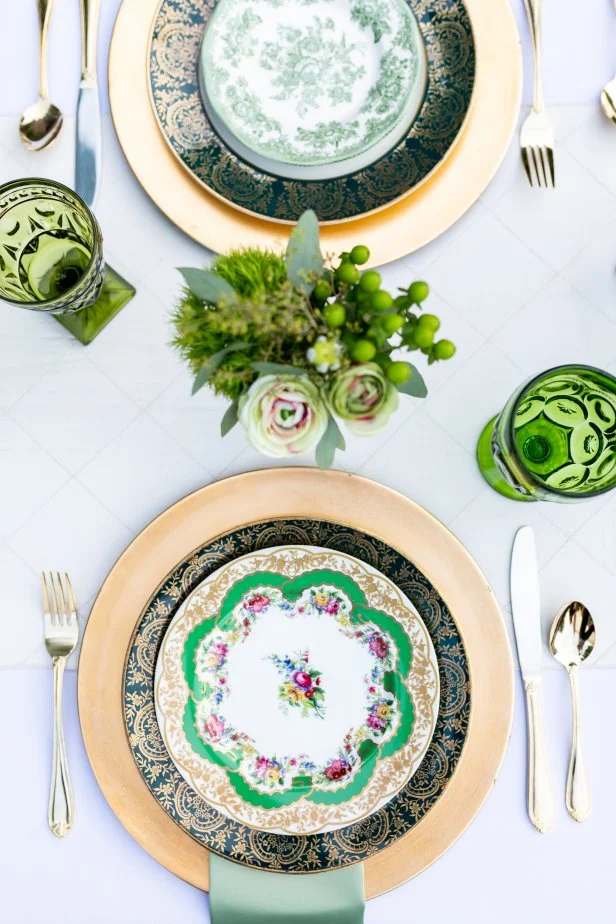
Plate color influences the meal’s visual appeal. White plates highlight food colors and work with any decor. Soft pastels create a calm, inviting atmosphere. Bold colors add energy and highlight your style. Consider matching plate colors with table linens and centerpieces. Keep colors balanced to avoid overwhelming the table.
Credit: www.hgtv.com
Layering Plates Properly
Layering plates properly is key to creating a polished and functional table setting. It not only adds visual interest but also guides your guests through the meal in a seamless way. Understanding how to stack plates correctly can make your dining experience feel more organized and elegant.
Base Plate Placement
The base plate, often called the dinner plate or service plate, sets the foundation of your place setting. Place it directly in front of the guest, centered with the chair and aligned with the table edge. This plate usually stays in place throughout the meal, providing a stable base for other plates and bowls.
Make sure the base plate is clean and free of chips or scratches—your guests notice these details. If you want a touch of style, choose a base plate with subtle patterns or textures that complement your table’s theme.
Adding Salad And Soup Plates
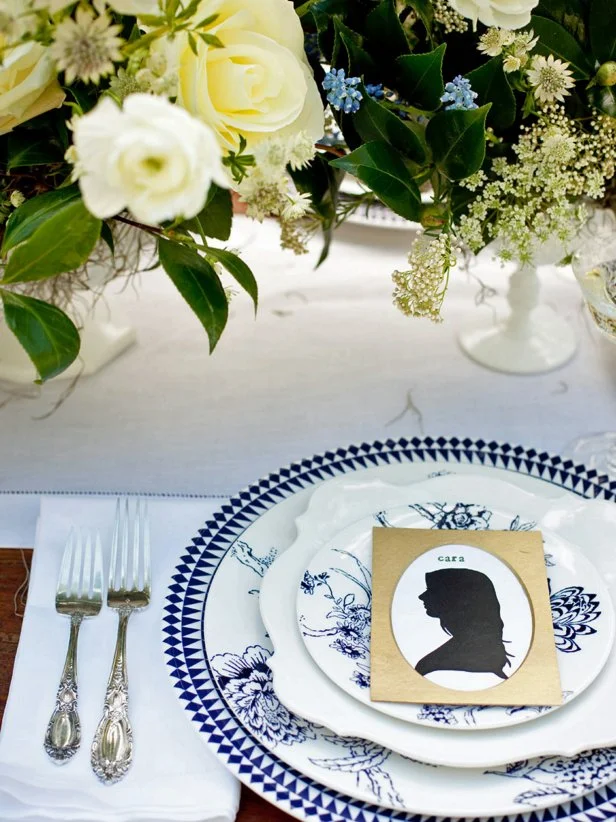
Once the base plate is set, add the salad and soup plates in the right order. Typically, the salad plate goes on top of the base plate, slightly smaller to show the plate underneath. If you’re serving soup, the soup bowl should be placed on top of the salad plate or directly on the base plate if no salad is served first.
Think about the flow of your meal. Do you serve soup first or salad? Arrange your plates accordingly to avoid awkward plate removal during the meal. This small adjustment shows your attention to detail and enhances your guests’ comfort.
Using Charger Plates
Charger plates are large decorative plates used beneath your dinnerware to add elegance and protect the table. Place the charger directly under the base plate before guests arrive. They should remain until the main course is served, then be removed to avoid clutter.
Choose chargers that match your dinnerware and table decor. Metallic chargers add a modern touch, while wooden or ceramic ones bring warmth. Have you noticed how a well-chosen charger can transform a simple meal into a special occasion?
Balancing Aesthetics And Function
Balancing aesthetics and function in a table setting is key to a pleasant dining experience. Plates should look inviting and be easy to use. This balance creates harmony between beauty and practicality on your table.
Spacing Between Plates
Leave enough space between plates for comfort. Aim for about 24 inches from center to center. This allows guests to move their arms freely. Crowded plates can make the table look messy. Proper spacing helps each setting stand out.
Aligning With Cutlery And Glassware
Place plates so they align with cutlery and glassware. The plate center should match the middle of the cutlery set. Glasses go slightly above and to the right. This alignment creates a neat, organized look. It also helps guests find their items easily.
Considering Plate Weight
Choose plates that feel good to hold. Heavy plates may be hard to lift and carry. Light plates are easier for guests and servers. The weight affects the overall dining comfort. Balance looks with the ease of use.
Credit: www.hgtv.com
Plates For Different Meal Courses
Plates play a key role in setting a beautiful table. Each meal course needs the right plate size and style. This choice helps guests enjoy the food and keeps the table looking neat. Understanding which plates suit each course makes the meal flow smoothly.
Appetizer Plates
Appetizer plates are smaller than dinner plates. They usually measure around 7 to 8 inches in diameter. These plates hold light starters like salads, soups, or small bites. Use simple designs to avoid crowding the table. Place them on top of or beside the main plate.
Main Course Plates
Main course plates are the largest plates on the table. They usually measure 10 to 12 inches wide. These plates hold the main meal, such as meat, vegetables, and sides. Choose sturdy plates that can hold heavy food. Place them at the center of each setting.
Dessert Plates
Dessert plates are smaller than main plates but bigger than appetizer plates. They measure about 6 to 7 inches across. Use them for sweet treats like cakes or fruit. Often, dessert plates are brought out later or placed above the main plate. Pick plates with fun or elegant designs to highlight the dessert.
Creative Plate Arrangements
Creative plate arrangements can transform a simple meal into an exquisite dining experience. Whether you’re hosting a casual brunch or a formal dinner, arranging plates thoughtfully can add flair and personality to your table setting. The key is to balance aesthetics with functionality, creating a visually appealing layout that enhances the enjoyment of your meal.
Mixing Patterns And Solids
Combining patterned plates with solid ones can create a striking visual contrast. Try pairing a floral patterned dinner plate with a solid-colored salad plate. This mix keeps the table lively without overwhelming the senses.
Consider the color scheme of your dining room or outdoor setting. Choose plates that complement these colors to create harmony. Mixing patterns and solids allows you to express your creativity while maintaining a cohesive look.
Have you ever thought about using mismatched sets? Use this approach to add an eclectic touch to your table. Don’t shy away from experimenting; sometimes the unexpected combinations are the most delightful.
Using Plates As Decor
Plates can serve more than just a functional purpose; they can be decorative elements that enhance your table’s theme. Place a charger under your dinner plate for an elegant touch. These larger plates act as a decorative base and add depth to your setting.
Consider using plates as centerpieces. Stack varying sizes to create height and interest. Add a small vase or candle on top for an intriguing focal point.
Have you ever displayed plates vertically? Prop them against a wall or shelf near your table for a unique backdrop. This creative use of plates can transform your dining space into an artful exhibit.
Incorporating Seasonal Themes
Align your plate arrangements with the current season to add a thematic element to your gatherings. For autumn, choose warm, earthy tones like rust and mustard. In spring, opt for pastels and floral patterns.
Use seasonal motifs to enhance your setting. For a winter theme, incorporate snowflake or pine designs. This seasonal touch makes your table more inviting and festive.
Personalize each setting with seasonal accents like leaves or flowers. These small details can make a big impact and show your guests that you care about their dining experience.

Credit: mostlovelythings.com
Practical Tips For Setting Plates
Setting plates correctly creates a neat and inviting table. Practical tips help keep the layout balanced and clean. These ideas make every meal feel special and well-prepared.
Handling And Placement Techniques
Hold plates by the edges to avoid fingerprints. Place the charger or dinner plate first in the center of each setting. Stack salad or appetizer plates on top. Leave enough space between plates for comfort. Align plates evenly with the table edge and other settings. Use a flat surface to keep plates steady and level.
Keeping Plates Clean And Polished
Wipe plates with a soft cloth before setting the table. Check for water spots or smudges and remove them quickly. Use a mild cleaner for stubborn marks. Avoid stacking dirty plates to prevent stains. Keep a polishing cloth nearby for last-minute touch-ups. Clean plates make the table look fresh and tidy.
Adjusting For Informal Vs Formal Settings
Informal settings allow more casual plate placement. Use fewer plates and simpler arrangements. For formal settings, follow traditional rules strictly. Start with a charger and add multiple plates for courses. Align plates precisely with cutlery and glassware. Formal layouts show attention to detail and elegance.
Frequently Asked Questions
How Do Plates Influence Table Setting Layout?
Plates set the foundation for a table layout. They define the dining space and guide placement of other items. Proper plate positioning ensures balance, aesthetics, and functionality. Choosing the right size and style enhances the overall dining experience and complements table décor.
What Plate Types Are Essential For Table Settings?
Essential plates include dinner plates, salad plates, and bread plates. Each serves a specific course and fits the table layout. Using correct plate types helps guests follow the meal sequence. Variety in plates adds visual interest and organizes the dining flow.
How To Arrange Plates For Formal Table Settings?
Place the dinner plate in the center of each setting. Stack salad plates on top if served first. Bread plates go to the top left side. Ensure even spacing and alignment for a polished, elegant appearance suitable for formal dining.
Can Plate Color Affect Table Setting Design?
Yes, plate color impacts the table’s mood and theme. Neutral colors offer versatility, while bold colors add personality. Coordinating plate colors with linens and décor creates harmony. Thoughtful color choices enhance food presentation and the overall dining atmosphere.
Conclusion
Using plates correctly makes your table look neat and inviting. Choose the right size and place them with care. Match colors and styles for a balanced look. Remember to leave space for other items like glasses and cutlery. A simple, clean layout helps guests feel comfortable.
Practice a few times to find what works best. Enjoy setting your table with confidence and style.