

Are you wondering if your silver plated cutlery can safely go in the dishwasher? You probably want to save time and effort, but using the dishwasher might damage your treasured pieces.
What if you could keep your cutlery looking shiny and new without the hassle of hand washing every single item? You’ll discover the best way to care for your silver plated cutlery, avoid costly mistakes, and extend its lifespan. Keep reading to learn exactly what you should do to protect your valuable utensils.
Credit: kitchpulse.com
Silver Plated Cutlery Basics
Understanding the basics of silver plated cutlery helps you care for it properly and keep it looking its best. Silver plated cutlery combines the beauty of silver with the durability of other metals. But what exactly does silver plating mean, and why is it popular in cutlery? Let’s dive into the details.
What Is Silver Plating?
Silver plating is a process where a thin layer of silver is coated onto a base metal, usually nickel, copper, or stainless steel. This gives the item the appearance of solid silver without the high cost. The silver layer is very delicate, often just a few microns thick, which means it can wear off if not handled carefully.
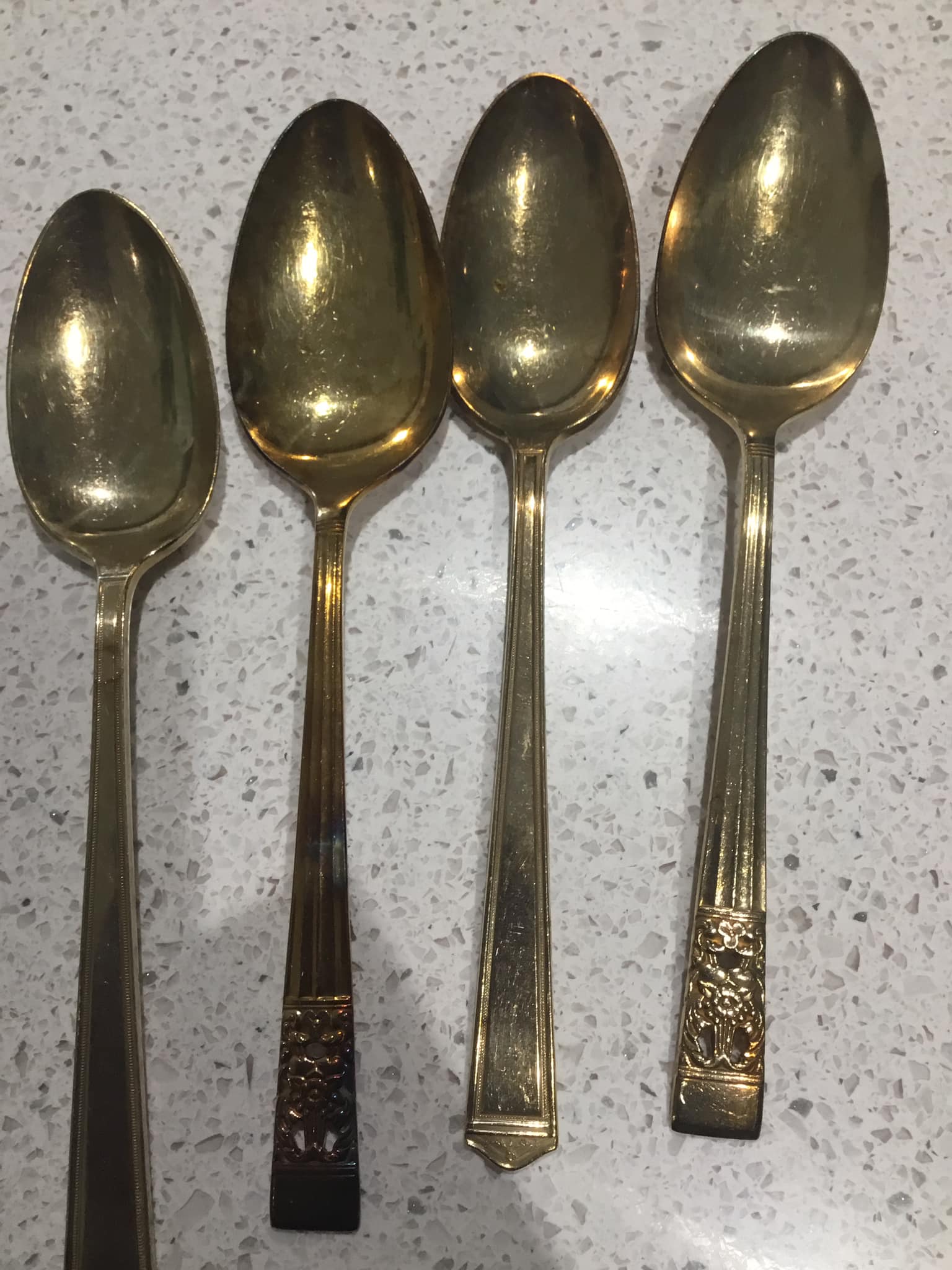
Have you ever noticed your silver plated spoon looking dull or patchy? That’s a sign the silver layer might be wearing thin. This is why knowing how to clean and store silver plated cutlery properly is key to its longevity.
Common Uses In Cutlery
Silver plated cutlery is widely used in both everyday settings and special occasions. It offers a classic, elegant look without the expense of solid silver. Many families treasure silver plated sets passed down through generations, using them for holiday dinners or celebrations.
- Dinner forks, knives, and spoons
- Serving utensils like ladles and cake servers
- Tea and coffee spoons
Because it looks sophisticated, silver plated cutlery often features in fine dining and restaurant settings. But its delicate coating means you need to think twice before putting it in the dishwasher. Would you want to risk damaging a cherished heirloom just for convenience?
Credit: washdrydazzle.com
Dishwasher Risks For Silver Plated Cutlery
Silver plated cutlery is a beautiful addition to any dining set, but putting it in the dishwasher can be risky. Understanding these risks helps you decide how to care for your precious pieces. Let’s look closely at what can happen inside that dishwasher and why it may harm your silver plated cutlery.
Potential Damage Factors
Several factors inside a dishwasher can damage silver plated cutlery. The most common issues include:
- Abrasive water and hard minerals:These can cause tiny scratches or dullness on the silver surface.
- Contact with other metals:When silver plated cutlery touches stainless steel or other metals, it may lead to discoloration or corrosion.
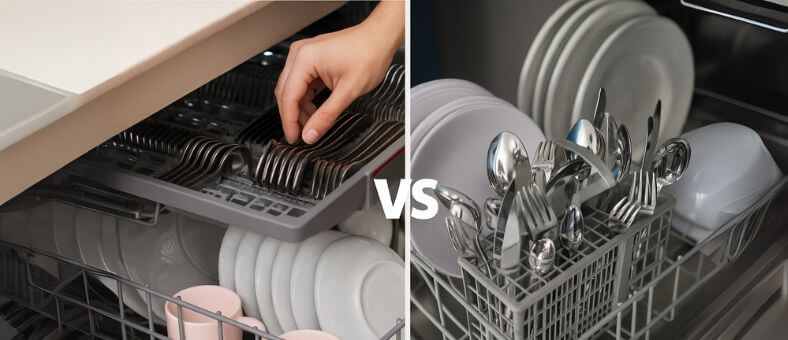
- Improper loading:Items banging against each other can chip or wear off the silver plating.
Have you noticed how your silverware sometimes looks less shiny after a cycle in the dishwasher? These factors often play a part.
Effects Of Heat And Detergents
Heat and detergents used in dishwashers can be harsh on silver plating. High temperatures may cause the silver layer to weaken or peel over time.
Detergents often contain chemicals that react with the silver, leading to tarnishing or permanent stains. Even “silver-safe” detergents may not fully protect your cutlery.
Would you risk losing the bright shine of your cutlery just to save a few minutes on handwashing? Sometimes, the convenience is not worth the damage.
Safe Cleaning Alternatives
Silver plated cutlery requires special care to keep its shine and prevent damage. While dishwashers seem convenient, they can strip the silver plating and cause tarnishing. Instead, choosing safe cleaning alternatives helps maintain your cutlery’s beauty for years.
Hand Washing Techniques
Hand washing is the gentlest way to clean silver plated cutlery. Use warm water with a mild dish soap to avoid harsh chemicals that can wear down the plating.
Gently scrub the cutlery with a soft sponge or cloth. Avoid abrasive scrubbers or steel wool, which can scratch the surface.
Rinse thoroughly with warm water and dry immediately using a soft towel. Leaving cutlery to air dry can cause water spots or tarnish.
Have you ever noticed your silverware looking dull after a dishwasher cycle? That’s why hand washing matters so much.
Recommended Cleaning Products
Choose cleaning products designed specifically for silver or silver plated items. These products help remove tarnish without harming the plating.
- Silver polish creams:Apply with a soft cloth, then buff gently to restore shine.
- Non-abrasive silver wipes:Great for quick touch-ups and easy to use.
- Baking soda paste:Mix baking soda with water to form a paste, apply carefully, then rinse off.
Avoid bleach, lemon juice, or vinegar, as they can corrode the silver plating. Using the right product makes a noticeable difference in preserving your cutlery’s finish.
Credit: www.facebook.com
Tips To Maintain Shine And Quality
Maintaining the shine and quality of silver plated cutlery requires careful attention. Simple habits can keep your pieces looking bright and new. Proper care prevents tarnish and damage, extending their lifespan.
Proper Drying Methods
Dry silver plated cutlery immediately after washing. Use a soft, clean cloth to avoid scratches. Avoid air drying, which can cause water spots. Gently pat dry instead of rubbing hard. Ensure all moisture is removed from the crevices.
Storage Suggestions
Store cutlery in a dry place away from sunlight. Use cloth-lined drawers or special silver storage bags. Avoid storing with other metals to prevent scratches. Lay pieces flat and separate them with soft cloths. Regularly check for signs of tarnish and clean as needed.
When To Use The Dishwasher
Deciding when to use the dishwasher for your silver plated cutlery can be tricky. The convenience of a dishwasher is undeniable, but not all silver plated items are suited for the rigors of machine cleaning. Understanding when it’s appropriate to entrust your cutlery to the dishwasher can save you time and preserve your silver’s luster.
Choosing Suitable Cycles
Not all dishwasher cycles are created equal. It’s essential to choose a cycle that is gentle yet effective. Opt for the delicate or china setting, as these cycles typically use lower temperatures and less abrasive methods. This prevents potential damage to the silver plating, maintaining its shine and integrity.
Consider using a rinse aid to minimize water spots and ensure a thorough clean. Take note that some detergents can be harsh on silver, so selecting a mild, silver-friendly detergent can make all the difference.
Precautions To Take
Before you place your cutlery in the dishwasher, ensure it’s free from food residues, especially acidic substances like lemon or vinegar. These can cause tarnishing or corrosion during the wash cycle.
Separate silver plated cutlery from stainless steel items to prevent a chemical reaction that may damage the silver. Avoid overcrowding the dishwasher, as it can lead to scratches or uneven cleaning.
Do you often find yourself rushing through cleanup after a dinner party? Taking a few extra minutes to safely arrange your cutlery can prevent long-term damage. Balancing convenience with care is key to maintaining your silver plated treasures.
Frequently Asked Questions
Can Silver Plated Cutlery Be Safely Washed In A Dishwasher?
Silver plated cutlery is not recommended for dishwasher use. Harsh detergents and high heat can damage the plating and cause tarnishing. Hand washing with mild soap and warm water is the safest method to preserve the finish and extend its lifespan.
What Damages Silver Plated Cutlery In Dishwashers?
Dishwashers expose silver plated cutlery to strong chemicals, high heat, and abrasive water jets. These factors can erode the silver layer, leading to discoloration and pitting. Over time, repeated dishwasher cycles can permanently damage the cutlery’s appearance and quality.
How To Clean Silver Plated Cutlery Without Tarnishing?
Use a soft cloth and mild detergent to wash silver plated cutlery. Avoid abrasive scrubbers or harsh chemicals. Dry immediately with a soft towel to prevent water spots and tarnish. Regular gentle cleaning keeps silver plating shiny and intact.
Is It Safe To Mix Silver Plated Cutlery With Other Metals In Dishwasher?
No, mixing silver plated cutlery with other metals in the dishwasher can cause chemical reactions. These reactions accelerate tarnishing and corrosion of the silver plating. Always wash silver plated pieces separately by hand to protect their finish.
Conclusion
Silver plated cutlery often suffers in the dishwasher. Water and heat can damage the plating. Hand washing helps keep cutlery shiny and strong. Use mild soap and a soft cloth to clean. Avoid harsh scrubbing or strong chemicals. Taking care extends the life of your silver pieces.
Treat your cutlery gently for the best results. Simple steps make a big difference in maintenance. Keep your silver looking beautiful for years to come.