

Your Shun knives are more than just kitchen tools—they’re precision instruments that deserve the best care. Keeping them sharp isn’t just about ease; it’s about safety and maintaining that perfect cut every time you cook.
If you’ve noticed your knife struggling through tasks it once handled effortlessly, it’s time to sharpen it properly. In this guide, you’ll discover simple, effective techniques to bring your Shun knives back to life. By the end, you’ll feel confident handling your blades like a pro and enjoy smoother, safer cooking every day.
Ready to make your knife sharper than ever? Let’s dive in.
Choosing The Right Sharpening Tools
Choosing the right sharpening tools is essential to keep your Shun knives in top condition. Each tool offers different benefits and suits different skill levels. Picking the right one can save you time, protect your knife’s edge, and improve your cutting experience.
Whetstones And Grit Levels
Whetstones are the classic choice for sharpening Shun knives. They come in various grit levels, from coarse to fine, allowing you to remove chips or just polish the edge.
Use a coarse grit (around 400-600) if your knife is dull or damaged. Medium grit (1000-3000) is perfect for regular sharpening, while fine grit (4000-8000) helps achieve a razor-sharp finish.
I once sharpened my Shun using a 1000 grit stone and noticed the edge was much smoother and easier to control. Have you ever felt the difference a fine grit stone makes in your slicing?
Using Honing Rods
Honing rods don’t sharpen but realign the blade’s edge, keeping it straight between sharpenings. Ceramic rods work best with Shun knives because they are gentle yet effective.
You should use a honing rod regularly, especially if you cook often. It extends the time between full sharpenings and helps maintain a sharp edge.
Think of honing rods as quick touch-ups for your knife. How often do you give your knife that quick edge check before cooking?
Electric Sharpeners: Pros And Cons
Electric sharpeners offer convenience and speed, making them tempting for busy kitchens. They usually have preset angles designed for Japanese knives like Shun.
However, they can remove more metal than necessary, shortening your knife’s lifespan if used too often. Also, some models may not handle the delicate edge well.
Consider your comfort with sharpening skills and how often you need to sharpen when choosing an electric sharpener. Would you sacrifice some blade life for quick results?
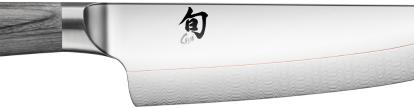
Credit: kaishun.co.nz
Preparing Your Shun Knife For Sharpening
Preparing your Shun knife for sharpening is a crucial step that sets the stage for achieving a razor-sharp edge. Taking the time to properly clean and inspect the blade ensures you won’t grind away dirt or damage the metal. Creating a safe, well-organized sharpening area also protects both you and your prized knife during the process.
Cleaning And Inspecting The Blade
Start by thoroughly cleaning your Shun knife. Use warm water and mild dish soap to remove any food residue or oils. Dry the blade completely with a soft cloth to prevent rust during sharpening.
Next, carefully inspect the blade for chips, cracks, or any other damage. Running your fingers lightly along the edge can help you feel for imperfections. Spotting these early helps you adjust your sharpening technique or decide if professional repair is needed.
Setting Up A Safe Sharpening Area
Choose a flat, stable surface with plenty of lighting to work on your knife. A clutter-free space reduces the risk of accidents and makes it easier to focus on the sharpening process.
Gather all your sharpening tools within arm’s reach—whetstones, honing oil or water, and a towel for wiping the blade. If possible, use a non-slip mat under your sharpening stone to keep it steady. Have you ever noticed how a shaky stone can ruin your sharpening effort? Steady equipment makes all the difference.
Step-by-step Sharpening Process
Sharpening your Shun knives properly can transform your cooking experience. The process may seem tricky at first, but with patience and the right technique, you can restore your blade’s razor-sharp edge at home. Let’s break down the sharpening process into clear, manageable steps that anyone can follow.
Soaking And Positioning The Whetstone
Start by soaking your whetstone in water for about 10 to 15 minutes. This helps to create a smooth surface and prevents the stone from drying out during sharpening.
Place the stone on a non-slip surface or a whetstone holder. Position the whetstone so that you have a comfortable angle and stable control over your knife. Stability here means safer and more precise sharpening.
Maintaining The Correct Angle
Keeping the right angle is crucial for a sharp edge. Aim for about 15 degrees between the blade and the whetstone, which is ideal for Shun knives.
If you’re unsure about the angle, try using a guide or visualize slicing a thin slice off a card. Consistency in angle prevents uneven sharpening and prolongs the knife’s lifespan.
Consistent Strokes And Pressure
Use smooth, even strokes along the stone, moving from the base of the blade to the tip. Don’t rush; slow and steady strokes produce better results.
Apply light to moderate pressure. Too much pressure can damage the blade or the stone, while too little won’t sharpen effectively. Feel the edge gradually becoming sharper—it’s a subtle but rewarding process.
Sharpening Both Sides Evenly
Sharpen one side of the blade with the same number of strokes as the other. For example, if you do 10 strokes on the right side, do 10 on the left.
This balance keeps your blade centered and prevents it from becoming uneven or bent. Have you noticed how an unbalanced blade can make cutting harder? Keeping both sides even solves that problem.
Honing And Polishing Techniques
Honing and polishing are essential steps to maintain the sharpness and precision of your Shun knives. These techniques refine the blade’s edge after sharpening and help preserve it for longer periods. Taking time to hone and polish properly can transform your cutting experience, making every slice smoother and more efficient.
Using A Honing Rod For Edge Refinement
A honing rod is your best friend for keeping the edge of your Shun knife aligned between sharpenings. Unlike sharpening, honing doesn’t remove metal but straightens the microscopic bends on the blade edge. This simple action can instantly restore cutting performance without the need for a full sharpening session.
Hold the honing rod vertically with the tip resting on a stable surface. Position your knife at about a 15-degree angle against the rod. Draw the blade down and across the rod, moving from heel to tip, repeating this motion about 5-10 times on each side.
Do you notice how a quick honing session can make peeling an apple or slicing tomatoes easier? Regular use keeps your blade’s edge consistent and reduces the frequency of more intensive sharpening.
Polishing With Leather Strops
After honing, polishing with a leather strop brings your Shun knife’s edge to a razor-sharp finish. Stropping removes any remaining burrs and smooths the blade, enhancing its cutting precision and lifespan. This step is often overlooked but makes a noticeable difference in performance.
Use a clean leather strop and apply a small amount of stropping compound for best results. Pull the blade away from the edge, maintaining the same 15-degree angle, and repeat evenly on both sides. This gentle polishing realigns the edge and adds a fine mirror-like finish.
Have you ever wondered why some chefs keep their knives polished after every use? The answer lies in the smooth, effortless cuts and the extended edge life that stropping provides. Try it yourself and feel the difference immediately.
Common Mistakes To Avoid
Sharpening Shun knives can be a rewarding task. Yet, many make common mistakes that can affect the blade’s performance. Being aware of these mistakes can help maintain the knife’s quality and lifespan. Let’s explore some crucial errors to avoid.
Over-sharpening And Blade Damage
Over-sharpening is a frequent mistake that can harm your Shun knife. Too much sharpening removes excess metal from the blade. This can weaken the knife and reduce its lifespan. Ensure you sharpen only as needed. Use gentle pressure during sharpening sessions.
Incorrect Angles And Uneven Edges
Incorrect angles lead to uneven edges. Shun knives require specific angles for optimal sharpness. Using the wrong angle can dull the blade or cause uneven wear. Use guides or tools to maintain the correct angle. Consistency is key for a perfect edge.
Neglecting Regular Maintenance
Regular maintenance is crucial for knife longevity. Neglecting this can lead to dullness and damage. Clean your knives after each use. Regularly check for signs of wear or damage. Keep them dry to prevent rust. Maintenance ensures your Shun knife stays sharp longer.

Credit: www.youtube.com
Maintaining Sharpness Between Sharpenings
Maintaining the sharpness of Shun knives between sharpenings helps extend their life. Proper care keeps the blade precise and ready for use. Small daily habits make a big difference in preserving the edge.
Proper Knife Storage
Store Shun knives safely to prevent dulling. Use a knife block, magnetic strip, or blade guard. Avoid tossing knives into drawers where blades can hit other objects. Keep the knife dry to stop rust and corrosion.
Regular Honing Routine
Honing realigns the blade edge without removing metal. Use a honing rod made for fine knives like Shun. Hold the rod steady and slide the knife at a 15-degree angle. Hone the blade before or after each use for best results.
Safe Cleaning Practices
Clean Shun knives carefully to protect the edge. Hand wash with mild soap and warm water. Avoid harsh scrubbing or abrasive pads. Dry the knife immediately with a soft cloth to prevent water spots and rust.
Credit: www.tiktok.com
Frequently Asked Questions
How Often Should I Sharpen Shun Knives?
Sharpen Shun knives every 6 to 12 months. Frequent use requires more regular sharpening. Proper maintenance keeps blades sharp and effective.
What Tools Are Best For Sharpening Shun Knives?
Use a whetstone or ceramic sharpening rod. These tools preserve the blade’s edge and maintain sharpness. Avoid electric sharpeners to prevent damage.
Can I Sharpen Shun Knives At Home Safely?
Yes, with proper tools and technique. Follow manufacturer instructions closely. Practice on inexpensive knives first to avoid mistakes.
What Angle Is Best For Sharpening Shun Knives?
Maintain a 16 to 20-degree angle while sharpening. This angle preserves the blade’s sharpness and durability. Consistency is key for effective sharpening.
Conclusion
Sharpening Shun knives keeps them sharp and safe to use. Regular care helps the blade last longer. Use the right tools and follow each step carefully. Take your time to avoid damage. A sharp knife makes cooking easier and more enjoyable.
Practice often to improve your skill. Keep your knives clean and dry after sharpening. This simple routine protects your investment and boosts kitchen confidence.